
• McCarthy Hyundai of Lawrence

Blog

All Lawrence Hyundai Dealer McCarthy Hyundai of Lawrence Service Lawrence Hyundai Service Lawrence Used Cars
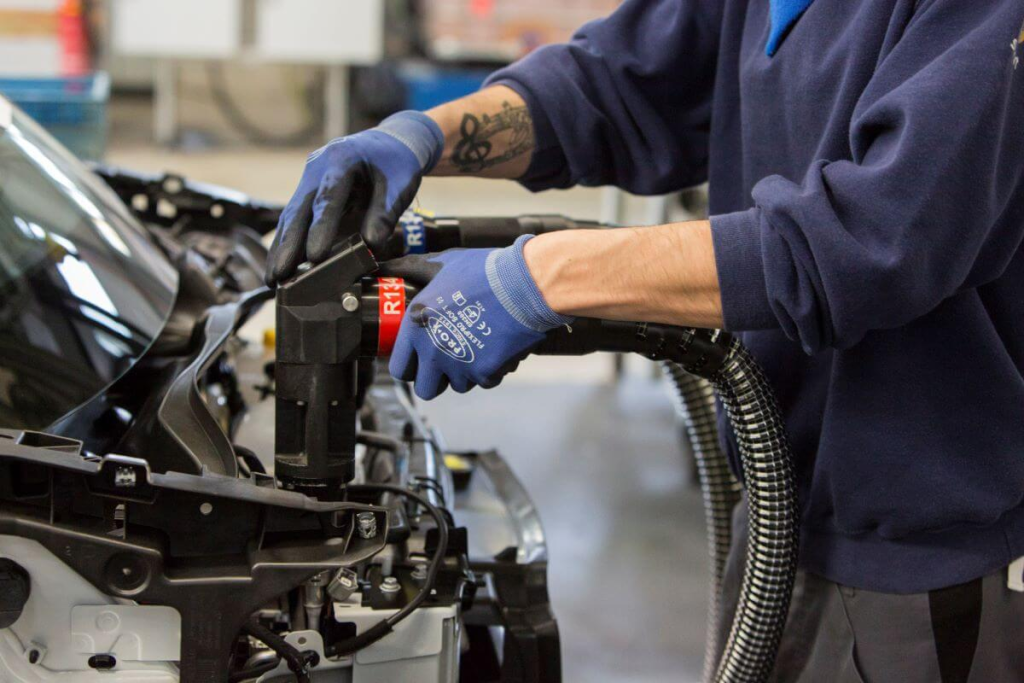
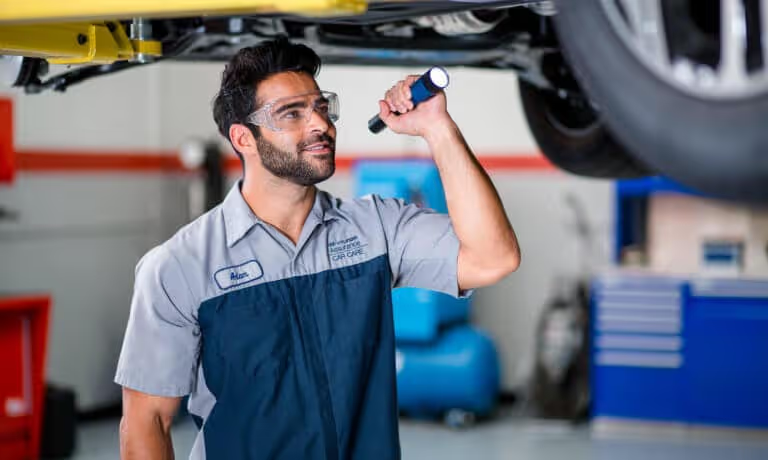
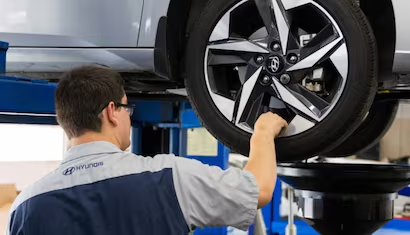
Hyundai technician inspecting tire tread depth at McCarthy Hyundai of Lawrence KS

Tire Maintenance: The Complete Guide to Safer Driving in Kansas

Summary: Your tires are the only part of your Hyundai that actually contacts the road. Four contact patches, each roughly the size of your palm, carry every ounce of your vehicle's weight and transmit every braking force, acceleration input, and steering command to the pavement. When those contact patches are compromised by worn tread, incorrect pressure, or uneven wear, your safety margin shrinks in ways that are not visible until the moment you need maximum performance and it is not there. At McCarthy Hyundai of Lawrence, this is the complete, accurate guide to tire maintenance that every Kansas driver needs. The Stakes: Why Tire Maintenance Is a Safety Issue, Not Just a Cost Issue The National Highway Traffic Safety Administration reported that in 2024, 511 people died in tire-related crashes across the United States. That number represents preventable fatalities, the majority of which were connected to tire conditions that regular maintenance would have addressed. At the same time, NHTSA found that only 19 percent of consumers properly inflate their tires. That means four out of five drivers are operating on tires that are working below their designed capability every single day, costing them fuel efficiency, shortening their tire life, and compromising their safety without any obvious indication that anything is wrong. This is the nature of tire maintenance challenges: the consequences are largely invisible until conditions expose them. A worn tire on a dry road feels fine right up until the moment you brake hard on a rain-slicked Kansas highway and discover the stopping distance is dramatically longer than expected. Understanding what proper tire maintenance actually involves, and why each element matters, is the most practical safety investment a driver can make. Tread Depth: The Number That Matters Most for Wet-Weather Safety Tire tread is not decorative. The grooves, channels, and sipes in a tire's tread pattern perform a specific engineering function: they evacuate water from the contact patch as you drive over wet surfaces, maintaining as much rubber-to-road contact as possible while displacing the water film that would otherwise lift the tire off the pavement. As tread wears down, those channels become shallower and less capable of moving water efficiently. The result is increasing hydroplaning risk, longer wet-weather stopping distances, and reduced traction during rain, slush, and snow. The deterioration is gradual and not immediately obvious, but the numbers tell the story clearly: At 2/32 inches of tread, which is the legal minimum in most U.S. states, tires take almost twice as long to stop on wet roads compared to new tires with 10/32 inches of tread. This is not a marginal difference. It is the difference between stopping before and stopping after an obstacle in the road. At 4/32 inches, wet-weather performance begins declining noticeably. Water evacuation becomes measurably less efficient, stopping distances begin to increase, and hydroplaning risk starts rising. This is the threshold at which tire safety experts recommend planning replacement, not waiting for the legal minimum. The Legal Minimum Is Not the Safe Minimum This distinction is important for Kansas drivers to understand clearly. The 2/32-inch legal minimum is the threshold below which a tire is considered legally unsafe. Operating at that threshold means your tires are at high risk of hydroplaning in rain and have severely compromised stopping distances on wet pavement. The practical safety recommendation from tire engineers is to replace tires when they reach 4/32 inches, which is double the legal minimum. At that depth, you still have time to shop thoughtfully for the right replacement rather than making a rushed decision, and you maintain meaningful wet-weather performance while you do so. How to Check Tread Depth Two methods work well for checking tread depth without specialized tools: The Penny Test: Insert a penny into the tread groove with Lincoln's head pointing down toward the tire. If you can see the top of Lincoln's head, your tread is at or below 2/32 inches, which is the legal minimum. Replace immediately. The Quarter Test: Insert a quarter with Washington's head pointing down. If the top of Washington's head is visible, you are at approximately 4/32 inches or below, which is the practical replacement threshold for wet-weather performance. Start shopping for replacements. Always check multiple locations across the tread width and around the circumference of each tire. Uneven wear patterns, where the tire is more worn in the center or on the edges than across the full width, indicate a pressure or alignment problem that tread replacement alone will not fix. What Uneven Wear Tells You Tire wear patterns are diagnostic information worth paying attention to: Wear concentrated in the center of the tread: The tire has been chronically overinflated, causing the center to carry more load than the shoulders. The contact patch is smaller than designed, which reduces grip. Wear concentrated on both outer edges: The tire has been chronically underinflated. The center is not bearing its share of the load, causing the edges to wear faster. This is the most common wear pattern and the most frequently ignored. Wear on one edge only: The vehicle's alignment is off. One side of the tire is contacting the road at an angle, causing accelerated wear on that edge. New tires without an alignment correction will develop the same pattern quickly. Cupping or scalloping: Uneven dips around the circumference of the tread, often accompanied by vibration or noise, typically indicate worn shocks or struts that are allowing the tire to bounce rather than maintain consistent road contact. Any of these patterns detected during a tire check at McCarthy Hyundai of Lawrence gets flagged and explained, so you understand what is happening and what the right corrective action is. Tire Pressure: The Most Overlooked Safety and Efficiency Factor Given that four out of five drivers operate on improperly inflated tires, tire pressure is arguably the single highest-impact maintenance habit most Kansas drivers are not doing correctly. The consequences of wrong pressure affect safety, fuel economy, and tire longevity simultaneously. Where to Find Your Correct PSI The correct tire pressure for your Hyundai is listed on the sticker inside the driver's door jamb, not on the tire sidewall. The number on the tire sidewall is the maximum pressure the tire can safely contain, which is typically significantly higher than the vehicle manufacturer's recommended operating pressure. Using the sidewall number as your target overinflates the tires and creates the center wear pattern described above, while also reducing ride comfort and impact absorption. Different trims or wheel size options on the same Hyundai model may have different recommended pressures, which is another reason to use the door jamb sticker rather than a general reference. The Real Effects of Underinflation Underinflation is the more common and more dangerous pressure condition. According to NHTSA, properly inflated tires can save drivers up to 11 cents per gallon on fuel compared to chronically underinflated tires. But the safety consequences are more serious than the fuel cost: Increased heat buildup: An underinflated tire flexes more than designed with each rotation. That flexing generates heat inside the tire structure. Sustained heat buildup degrades the tire's internal cords and adhesion between tire layers, which can ultimately cause tread separation or blowout, particularly on Kansas summer highway driving when ambient temperatures compound the heat the tire is already generating. Reduced handling response: A soft tire does not transmit steering inputs with the precision of a properly inflated one. The vehicle feels vague and less responsive, a characteristic that is easy to habituate to but represents a genuine reduction in your ability to control the vehicle in an emergency maneuver. Accelerated and uneven wear: The edge wear pattern from underinflation shortens tire life and creates a progressive traction reduction as the tread wears faster than it should. How Temperature Affects Tire Pressure For Lawrence-area drivers, the temperature relationship with tire pressure is a practical daily concern. Tire pressure changes by approximately one PSI for every 10 degrees Fahrenheit of temperature change. Kansas's temperature swings between seasons and even within a single day mean your tire pressure can change meaningfully without any air loss. A tire correctly inflated at 35 PSI on a 75-degree October afternoon may be at 29 PSI on a 15-degree January morning, which is a 17 percent pressure drop. That difference is enough to affect handling, fuel economy, and wear rate. Checking pressure monthly and before long highway drives, always on cold tires before the vehicle has been driven more than a mile, is the most practical way to stay ahead of temperature-driven pressure changes. Your Hyundai's Tire Pressure Monitoring System (TPMS) alerts you when pressure drops significantly below the recommended level, but the alert threshold is typically set well below optimal operating pressure. Do not rely on the TPMS light as your primary pressure monitoring tool. Monthly manual checks with a quality gauge give you more precise, actionable information. Tire Rotation: The Key to Even Wear and Maximum Tire Life Front and rear tires wear at different rates because they perform different jobs. On a front-wheel drive Hyundai like the Elantra or base Tucson, the front tires handle both steering and propulsion, causing them to wear significantly faster than the rears. On an AWD model, the distribution of wear varies with driving conditions and load. Either way, without regular rotation, tires wear unevenly across the set and need replacement sooner than they would with consistent rotation. Hyundai recommends tire rotation every 7,500 miles, which conveniently aligns with the standard oil change interval. Rotating tires at every oil change is the easiest way to ensure this service never gets delayed. Our service team at McCarthy Hyundai of Lawrence includes tire rotation as a standard part of every oil change appointment. Why AWD Models Need Rotation Most Consistently All-wheel drive systems like Hyundai's HTRAC are sensitive to tire diameter differences between the axles. When front and rear tires wear at different rates, the slightly different diameters can create speed differences between the axles that place stress on the transfer case and differential components over time. Regular rotation keeps all four tires wearing at similar rates and protects your AWD system's long-term health. For AWD Hyundai owners, consistent rotation is not just about tire longevity. It is also about drivetrain protection. Wheel Alignment: The Silent Tire Killer Wheel alignment is the adjustment of your vehicle's suspension geometry to ensure the tires make contact with the road at the correct angles. When alignment drifts out of specification, which can happen gradually from normal road use or suddenly from a significant pothole or curb impact, the tires are no longer rolling at their designed angles. The result is accelerated wear that reduces tire life, often by tens of thousands of miles, and handling characteristics that gradually degrade. Alignment should be checked whenever you notice uneven tire wear, after any significant impact such as a pothole strike or curb contact, and as a general best practice once a year or every 15,000 miles. Installing new tires without checking alignment first is one of the most common ways drivers prematurely wear out a set of tires that would otherwise last significantly longer. Our certified technicians check alignment geometry at scheduled service visits and can correct it using Hyundai's factory specifications for your specific model. Proper alignment combined with regular rotation is the combination that gets maximum life from your tire investment. Tire Age: The Factor Most Drivers Never Think About Even a tire that appears to have adequate tread can become unsafe due to age-related rubber degradation. The rubber compounds in tires oxidize and harden over time, reducing their flexibility and grip. This process happens regardless of how many miles the tire has been driven and is accelerated by UV exposure, ozone, and temperature extremes. Most tire manufacturers and the NHTSA recommend replacing tires that are 6 to 10 years old regardless of remaining tread depth, with inspection recommended at 5 years. Every tire has a DOT code molded into the sidewall that includes the week and year of manufacture. The last four digits of the DOT code indicate the week and year: a tire marked 2423 was manufactured in the 24th week of 2023. Kansas temperature extremes, particularly the intense summer heat that bakes rubber under UV exposure, accelerate this aging process. Vehicles that sit outdoors regularly or are driven infrequently may reach the age threshold before the tread depth threshold. Our service team checks tire age as part of every comprehensive tire inspection. A Practical Tire Maintenance Checklist for Kansas Drivers Task Frequency Why It Matters Check tire pressure Monthly and before long trips Temperature changes affect PSI; underinflation causes heat buildup, accelerated wear, and reduced fuel economy Visual tread inspection Monthly Catches uneven wear patterns that signal pressure or alignment issues before they become expensive Penny or quarter tread test Every 3 months Confirms tread depth is above the 4/32-inch practical safety threshold for wet-weather performance Tire rotation Every 7,500 miles Equalizes wear across all four tires, extending service life and protecting AWD drivetrain components Wheel alignment check Annually or after any significant impact Misalignment can reduce tire life by tens of thousands of miles and degrade handling Tire age check At 5 years, then annually Rubber degrades over time regardless of tread depth; replace tires 6 to 10 years old per manufacturer guidance Key Takeaways: Tire Maintenance for Kansas Drivers ✅ 511 people died in tire-related crashes in 2024 according to NHTSA. Most were preventable with proper maintenance. ✅ The legal minimum tread depth of 2/32 inches is not the safe minimum. Replace tires at 4/32 inches to maintain wet-weather stopping performance. ✅ At 2/32 inches, wet-weather stopping distances are nearly twice as long as with new tires. ✅ Only 19 percent of drivers properly inflate their tires. Check monthly with a gauge, using the door jamb sticker PSI, not the sidewall maximum. ✅ Kansas temperature swings can reduce tire pressure by 6 to 8 PSI overnight without any air loss. Monthly pressure checks are essential. ✅ Rotate every 7,500 miles, aligned with every oil change at McCarthy Hyundai of Lawrence for maximum convenience. ✅ Check alignment annually and after any significant impact. New tires on misaligned wheels wear prematurely and do not deliver their full safety benefit. ✅ Tires 6 years or older should be professionally inspected regardless of tread depth. Why Choose McCarthy Hyundai of Lawrence for Tire Service? Lawrence and northeast Kansas Hyundai drivers trust McCarthy Hyundai of Lawrence for tire inspection, rotation, and replacement for several straightforward reasons: Tire Rotation Included at Every Oil Change: We rotate your tires automatically as part of every scheduled oil change visit so this critical service never slips through the cracks. Comprehensive Tire Inspection: Every service visit includes a tread depth measurement at all four corners, pressure check, visual inspection for sidewall damage or uneven wear patterns, and age verification. You get a complete picture of your tire health at every visit. Factory-Certified Technicians: Our team knows the specific tire specifications for every Hyundai model, including the correct PSI, load rating, and speed rating for your exact trim and wheel configuration. 4.5-Star Google Rating with Nearly 1,500 Reviews: We tell you what your tires actually need, explain why, and give you honest recommendations without pressure to replace what does not yet need replacing. Easy Online Scheduling: Book your tire inspection or rotation online any time, 24 hours a day. Right Here in Lawrence: Find us at 2829 Iowa St, Lawrence, KS 66047, convenient for drivers from Topeka, Overland Park, Kansas City, and across northeast Kansas. Call us at (785) 838-2327. Conclusion: Four Small Patches of Rubber Stand Between You and the Road There is no other vehicle maintenance category where the consequences of neglect are as immediate and as directly physical as tires. Your brakes, your steering, your acceleration, your stability in an emergency maneuver: all of it is mediated by four contact patches the size of your hands. Keeping those patches in optimal condition through consistent pressure checks, regular rotation, timely tread replacement, and proper alignment is one of the most direct safety investments you can make as a driver. Our team at McCarthy Hyundai of Lawrence is here to make that maintenance simple, accurate, and convenient. Come see us, and let us make sure the most important four points of contact between your Hyundai and Kansas roads are exactly where they need to be. 📍 Visit us: 2829 Iowa St, Lawrence, KS 66047 📞 Call us: (785) 838-2327 🔧 Schedule a tire inspection or rotation | Explore our service center Frequently Asked Questions: Tire Maintenance in Lawrence, KS When should I replace my tires? Replace tires when tread depth reaches 4/32 inches to maintain adequate wet-weather performance. At 2/32 inches, the legal minimum in most states, wet stopping distances are nearly twice as long as with new tires. Also replace any tire that is 6 to 10 years old regardless of tread depth, as rubber compounds degrade over time regardless of mileage. The manufacture date is stamped in the last four digits of the DOT code on the sidewall. What PSI should my Hyundai tires be? The correct PSI for your specific Hyundai is found on the sticker inside the driver's door jamb. This is the manufacturer's recommended operating pressure for your vehicle's weight and handling characteristics. Do not use the maximum pressure number printed on the tire sidewall, which is significantly higher than the recommended operating pressure and will cause overinflation if used as a target. How often should I rotate my tires on a Hyundai? Hyundai recommends tire rotation every 7,500 miles, which aligns with the standard oil change interval. Having both services done together at every oil change appointment is the most practical approach to ensure rotation is never missed. For AWD Hyundai models, consistent rotation is especially important to prevent uneven tire diameters from placing stress on drivetrain components. What causes uneven tire wear? Uneven wear typically indicates one of three issues: chronic underinflation, which causes edge wear; chronic overinflation, which causes center wear; or wheel misalignment, which causes wear concentrated on one edge of the tire. Cupping or scalloped wear around the circumference usually indicates worn shocks or struts. Our service team inspects for these patterns at every tire check and can identify the underlying cause. Does temperature affect tire pressure? Yes, significantly. Tire pressure changes by approximately one PSI for every 10 degrees Fahrenheit of temperature change. Kansas's large seasonal temperature swings can reduce tire pressure by 6 to 8 PSI or more between a warm autumn afternoon and a cold January morning, without any air loss from the tire. Check pressure monthly on cold tires before the vehicle has been driven more than a mile for the most accurate reading. How do I schedule a tire rotation or inspection at McCarthy Hyundai of Lawrence? Use our online service scheduler available 24 hours a day, call us at (785) 838-2327, or visit us at 2829 Iowa St, Lawrence, KS 66047. Tire rotation is included with every oil change appointment at no additional scheduling required. WORDPRESS TAGS (copy/paste into Tags field): tire maintenance Lawrence KS, Hyundai tire rotation Lawrence KS, tire tread depth, McCarthy Hyundai of Lawrence, tire pressure PSI Hyundai, tire safety Kansas, Hyundai service center Lawrence KS, hydroplaning prevention, tire replacement Lawrence KS, wheel alignment Lawrence KS, Hyundai tire inspection, auto service Lawrence KS, tire rotation interval Hyundai, tire pressure TPMS Hyundai, safe tires Kansas winter
Hyundai certified technician checking brake fluid at McCarthy Hyundai of Lawrence KS

Why Is Brake Fluid Important? Everything Hyundai Drivers Need to Know

Summary: Brake fluid is the hydraulic backbone of your Hyundai's entire braking system, and it is also one of the most overlooked maintenance items on the service schedule. Unlike oil or coolant, brake fluid does not show obvious signs of wear. It just quietly degrades, absorbing moisture and losing its ability to protect your brakes under the conditions that matter most, until the moment you need maximum stopping power and the system cannot deliver it. At McCarthy Hyundai of Lawrence, this is the complete, accurate guide to what brake fluid actually does, why it fails, and how to make sure yours never lets you down. What Brake Fluid Actually Does: The Physics of Stopping Your Hyundai's braking system operates on a straightforward physical principle: when you press the brake pedal, you are applying force to a master cylinder, which transmits that force through hydraulic fluid in sealed lines to the brake calipers at each wheel, which squeeze brake pads against the rotors to create friction and slow the vehicle. Brake fluid is the medium through which that force travels. It is specifically engineered to be nearly incompressible, meaning when you push the pedal, the force transfers almost instantaneously and completely to the brakes at all four wheels. The critical word there is "nearly." Liquids are incompressible. Gases are not. And as we will explain shortly, the single greatest threat to brake fluid is the introduction of gas into the system. Beyond force transmission, brake fluid serves several additional functions that most drivers never think about: Lubrication: Brake fluid lubricates the internal components of the master cylinder, wheel cylinders, and caliper pistons, reducing wear on the rubber seals and metal components that must move smoothly for precise brake modulation. Corrosion protection: Modern brake fluids contain additives that inhibit corrosion inside the brake lines, calipers, and master cylinder. As these additives deplete over time, internal corrosion begins to attack the metal components of the hydraulic circuit. Thermal management: Braking generates significant heat. Brake fluid must absorb and dissipate that heat without boiling, which brings us to the most important and least-understood aspect of brake fluid science. The Boiling Point Problem: Why Brake Fluid Degrades Even When It Looks Fine This is the part of brake fluid maintenance that most drivers have never heard explained, and it is the most important thing to understand about why regular replacement matters. Brake Fluid Is Hygroscopic The brake fluids used in virtually all modern vehicles, classified as DOT 3, DOT 4, or DOT 5.1, are glycol-ether based fluids with a critical physical property: they are hygroscopic, meaning they actively absorb moisture from the surrounding atmosphere. This is not a flaw in the formulation. It is intentional. Brake fluid is designed this way because it is safer for absorbed moisture to disperse evenly throughout the fluid than to pool as liquid water in low points of the brake lines, where it could cause localized corrosion or freeze in cold temperatures. The problem is that water has a boiling point of 212 degrees Fahrenheit. Brake fluid has a boiling point more than twice that. As moisture accumulates in the brake fluid over time, it progressively lowers the fluid's effective boiling point. And braking generates heat that can exceed that reduced threshold under the wrong conditions. What Happens When Brake Fluid Boils When brake fluid reaches its boiling point, it vaporizes. Vapor, unlike liquid, is compressible. When you press the brake pedal with vapor in the hydraulic lines, instead of transmitting your foot force to the calipers, you are compressing the vapor. The pedal travels further than it should, braking force drops dramatically, and in severe cases the pedal goes all the way to the floor with little or no braking response. This is called vapor lock or brake fade, and it is a genuine brake failure scenario. The specific boiling points for the DOT ratings tell the story clearly: DOT Rating Dry Boiling Point Wet Boiling Point Primary Application DOT 3 401°F minimum 284°F minimum Standard vehicles, lighter braking loads DOT 4 446°F minimum 311°F minimum Modern vehicles with ABS, towing capability, higher performance DOT 5.1 500°F minimum 356°F minimum Performance and heavy-duty applications The "dry boiling point" is the boiling point of fresh fluid straight from a sealed container. The "wet boiling point" is the boiling point after the fluid has absorbed 3.7 percent water by volume, which is the standardized test for real-world service conditions. Notice how dramatically the wet boiling point drops compared to dry. A DOT 3 fluid that boils at 401°F when fresh boils at 284°F when moisture-saturated. That 117-degree reduction is the difference between safe, reliable braking and vapor lock under heavy braking on a hot day. DOT 3 fluid can absorb approximately 2 percent water per year under normal conditions. This means a two-year-old brake fluid in a DOT 3 system is approaching the moisture level used to determine the wet boiling point. A three or four-year-old fluid has substantially compromised thermal resistance. And the driver typically has no idea, because the brakes feel completely normal right up until the conditions that expose the degraded fluid. When Does This Actually Happen on Real Roads? Brake fade from degraded fluid is most likely during prolonged or repeated heavy braking that builds sustained heat in the system. Real-world scenarios for Lawrence-area drivers include: Long downhill stretches on highway drives across eastern Kansas with a heavily loaded vehicle or trailer Emergency stops from highway speed, which generate significantly more heat than normal braking Repeated braking in heavy stop-and-go traffic on a hot summer day when ambient temperatures are already high Towing a loaded trailer that increases vehicle weight and therefore braking demand substantially In most everyday driving, degraded brake fluid performs adequately because normal driving does not push the system to its thermal limits. The problem is that the moment you need maximum braking performance, such as the moment you are preventing a collision, is precisely when thermal limits are most likely to be reached. Maintaining fresh brake fluid ensures your system performs at its engineered capability in exactly those moments. The Corrosion Problem: The Other Reason Brake Fluid Ages Out Beyond the boiling point issue, moisture-contaminated brake fluid also causes internal corrosion throughout the hydraulic circuit. The brake lines, master cylinder bore, caliper pistons, and wheel cylinder walls are all metal surfaces that the brake fluid contacts continuously. Fresh brake fluid contains corrosion inhibitors that protect these surfaces. As brake fluid ages and its inhibitor package depletes, the combination of moisture and the slightly acidic environment created by degraded glycol-ether fluid begins attacking metal components from the inside. The results accumulate slowly over years and are expensive when they reach failure: pitted caliper bores that cause uneven brake pad wear and brake drag, corroded master cylinder internals that cause slow fluid leakage into the brake booster, and degraded rubber seals that can fail and cause a sudden loss of hydraulic pressure. These are not catastrophic overnight failures. They are gradual deteriorations that accelerate significantly in older fluid and are largely preventable with regular brake fluid replacement. When Should You Replace Your Brake Fluid? Hyundai recommends brake fluid replacement every 30,000 miles or 2 years, whichever comes first. This is a time and mileage interval, not just a mileage interval, which is important: brake fluid degrades through moisture absorption regardless of how much you drive. A Hyundai with 10,000 miles on it that is three years old still needs a brake fluid change, because three years of atmospheric moisture absorption has compromised the fluid's protective properties regardless of how few miles were driven. Kansas humidity makes the time-based interval especially relevant. Lawrence experiences meaningful spring and summer humidity, and brake fluid's hygroscopic properties mean it absorbs moisture more aggressively in humid conditions than in arid ones. Drivers in drier climates may get closer to the mileage end of the interval. Kansas drivers are more likely to reach the time threshold first. A Note About Topping Up vs. Replacing The original thinking about brake fluid maintenance often centered on checking the level and topping up if low. It is important to understand the distinction between these two situations: A slight decrease in brake fluid level over time is normal and reflects the brake pads wearing down. As pads thin, the caliper pistons extend further to maintain contact with the rotors, and the master cylinder reservoir level drops correspondingly. This is expected and not a cause for concern by itself. A sudden or significant drop in fluid level is a warning sign of a hydraulic leak somewhere in the system. Topping up the reservoir does not fix a leak. It masks it temporarily while the underlying problem continues. If your brake fluid level has dropped noticeably, the correct response is immediate inspection by a certified technician to identify the source of fluid loss, not simply adding more fluid. The most important brake fluid maintenance task is not monitoring the level. It is replacing the fluid on the recommended schedule so that its boiling point and corrosion protection remain adequate throughout the system. Which Brake Fluid Does Your Hyundai Need? Most current Hyundai models specify DOT 3 or DOT 4 brake fluid, with DOT 4 being increasingly common on models equipped with ABS and electronic stability systems, which benefit from DOT 4's higher boiling point and lower viscosity at cold temperatures. Using a lower-rated fluid than specified, such as putting DOT 3 in a system that specifies DOT 4, can reduce thermal performance below the system's design requirements. Using a higher-rated fluid than specified is generally acceptable since DOT 3 and DOT 4 are both glycol-ether based and mutually compatible. The one fluid that must never be mixed with standard Hyundai brake fluid is DOT 5, which is silicone-based and not compatible with the glycol-ether based fluids and rubber seal materials used in standard Hyundai brake systems. DOT 5 is clearly identifiable as purple in color and is uncommon in standard automotive applications, but if you have ever seen it and are unsure whether it has been used in your system, a complete brake fluid flush at our certified service center resolves any ambiguity. Always defer to your specific model's owner's manual for the exact DOT specification. Our service advisors can confirm the correct fluid for your Hyundai in seconds. Signs Your Brake Fluid May Need Attention Now Beyond the mileage and time intervals, these symptoms suggest your brake fluid should be inspected or replaced promptly: Spongy or soft brake pedal: A pedal that feels less firm than usual, or that requires more travel before resistance builds, can indicate moisture-contaminated fluid or a developing leak. Pedal that sinks slowly under steady pressure: Holding the brake pedal under steady pressure and feeling it slowly sink toward the floor is a hydraulic system warning that requires immediate attention. Dark or discolored fluid: Fresh brake fluid is clear to slightly yellow. Fluid that has darkened to a brown or near-black color has significantly degraded and lost much of its corrosion protection. Brake warning light: Some Hyundai models monitor brake fluid level and illuminate a warning light when the level drops below a threshold. This warrants inspection rather than simply topping up. Fluid level drop in reservoir: As noted above, a sudden or significant drop in reservoir level that cannot be explained by normal pad wear suggests a leak that needs immediate diagnosis. What Brake Service at McCarthy Hyundai of Lawrence Includes A brake fluid service at our certified facility is more comprehensive than simply draining and refilling the reservoir. Our process includes: Complete brake fluid flush through all four calipers and brake lines, removing all old fluid and replacing it with fresh DOT-spec fluid throughout the entire hydraulic circuit Visual inspection of brake lines and hoses for cracking, corrosion, or signs of leakage Caliper inspection for sticking pistons, seal leaks, or uneven wear patterns Brake pad thickness measurement at all four corners Rotor condition assessment for wear, scoring, and minimum thickness compliance Master cylinder inspection This comprehensive approach means a brake fluid service at McCarthy also gives you a complete picture of your brake system's current health, catching developing issues before they become safety concerns or expensive emergency repairs. Schedule your service appointment online whenever you are ready. Key Takeaways: Brake Fluid for Hyundai Drivers in Lawrence, KS ✅ Brake fluid transmits your pedal force to the brakes hydraulically. It must remain incompressible, and vapor formation from boiled fluid is a genuine brake failure risk. ✅ All standard brake fluids are hygroscopic and absorb moisture over time, which lowers their boiling point and increases internal corrosion risk. ✅ DOT 3 fluid can absorb approximately 2 percent water per year, dramatically reducing its wet boiling point within 2 to 3 years of service. ✅ Hyundai recommends brake fluid replacement every 30,000 miles or 2 years, whichever comes first. Kansas humidity makes the time-based interval especially important. ✅ A slight decrease in fluid level over time is normal as brake pads wear. A sudden significant drop is a warning sign of a hydraulic leak that needs immediate diagnosis. ✅ Use only the DOT specification listed in your owner's manual. Never use DOT 5 silicone fluid in a standard Hyundai brake system. ✅ Regular brake fluid replacement is inexpensive insurance against brake fade under heavy use and against internal corrosion that causes costly component failures over time. Why Choose McCarthy Hyundai of Lawrence for Brake Service? Your brakes are the most safety-critical system in your Hyundai. The place where you service them should be genuinely qualified to do so: Factory-Certified Hyundai Technicians: Our service team is specifically trained on Hyundai braking systems, ABS architecture, and electronic stability control integration. They know the correct fluid specification, bleeding procedure, and torque specifications for your exact model. Genuine OEM Brake Fluid: We use only Hyundai-approved brake fluid that meets or exceeds the DOT specification for your specific vehicle, ensuring full compatibility with your system's seals and components. Comprehensive Brake Inspection Included: Every brake fluid service includes a complete visual and functional assessment of your entire brake system so nothing goes unnoticed. 4.5-Star Google Rating with Nearly 1,500 Reviews: Our reputation reflects years of honest, accurate service for Lawrence and the surrounding region. We tell you what your vehicle needs and why, without adding services you do not require. Easy Online Scheduling: Book your service appointment online any time, 24 hours a day. Convenient Lawrence Location: Find us at 2829 Iowa St, Lawrence, KS 66047, accessible from Topeka, Overland Park, Kansas City, and across northeast Kansas. Call us at (785) 838-2327. Conclusion: The Fluid You Never Think About Until You Need It Most Brake fluid works invisibly every day, and it degrades invisibly too. There is no warning light for declining boiling point, no visible symptom of accumulating moisture contamination, and no dramatic early warning before vapor lock or corrosion damage reaches a threshold. The only reliable protection is following the recommended replacement interval before the fluid reaches a compromised state. At McCarthy Hyundai of Lawrence, a brake fluid service is quick, affordable, and genuinely consequential for your safety. Do not leave it off the maintenance list. Schedule your next service appointment and let our certified team make sure your entire brake system is ready for whatever Kansas roads put in front of you. 📍 Visit us: 2829 Iowa St, Lawrence, KS 66047 📞 Call us: (785) 838-2327 🔧 Schedule brake service online | Explore our service center Frequently Asked Questions: Brake Fluid for Hyundai Drivers How often should brake fluid be replaced in a Hyundai? Hyundai recommends brake fluid replacement every 30,000 miles or 2 years, whichever comes first. Because brake fluid degrades through moisture absorption over time rather than purely through use, the time-based interval is often the relevant one, particularly for drivers in humid regions like Kansas who may reach the 2-year threshold before accumulating 30,000 miles. What happens if brake fluid is not replaced? Over time, brake fluid absorbs atmospheric moisture, which lowers its boiling point and increases internal corrosion. In extreme cases, moisture-contaminated fluid can reach its boiling point under heavy braking, vaporizing and causing vapor lock: a condition where the brake pedal goes soft or to the floor because the compressible vapor in the lines cannot transmit hydraulic force to the calipers. Degraded fluid also accelerates corrosion inside brake lines, calipers, and the master cylinder, leading to expensive component failures over time. What type of brake fluid does a Hyundai use? Most current Hyundai models specify DOT 3 or DOT 4 brake fluid. DOT 4 is increasingly specified on models with ABS and electronic stability systems due to its higher boiling point and better low-temperature viscosity. Always consult your owner's manual or ask our service team for the exact specification for your model. Never use DOT 5 silicone fluid in a standard Hyundai brake system as it is not compatible with the system's rubber components. Can I just top up my brake fluid instead of replacing it? Topping up the reservoir is not a substitute for replacing the fluid. A slight decrease in fluid level over time is normal as brake pads wear down. A sudden or significant drop is a warning sign of a hydraulic leak that requires diagnosis, not simply more fluid. Brake fluid replacement means flushing the entire hydraulic circuit of old, moisture-contaminated fluid and replacing it with fresh fluid throughout the system, not just adding to the reservoir. What does a spongy brake pedal mean? A spongy or soft brake pedal that requires more travel than usual before resistance builds typically indicates moisture-contaminated brake fluid or air in the hydraulic lines. In either case, compressible vapor or gas is reducing the hydraulic pressure transmission efficiency. This warrants prompt inspection and likely a brake fluid flush to restore firm, responsive pedal feel and full braking performance. How do I schedule a brake fluid service at McCarthy Hyundai of Lawrence? Use our online service scheduler available 24 hours a day, call us at (785) 838-2327, or visit us at 2829 Iowa St, Lawrence, KS 66047. Every brake service includes a comprehensive inspection of your entire brake system. WORDPRESS TAGS (copy/paste into Tags field): brake fluid Hyundai Lawrence KS, Hyundai brake service Lawrence KS, brake fluid replacement, McCarthy Hyundai of Lawrence, DOT 4 brake fluid Hyundai, Hyundai service center Lawrence KS, brake fluid change interval, spongy brake pedal, vapor lock brake fluid, brake fluid hygroscopic, Hyundai brake fluid DOT 3 DOT 4, auto service Lawrence KS, Hyundai maintenance Lawrence KS, brake service near me Lawrence KS, brake fluid flush

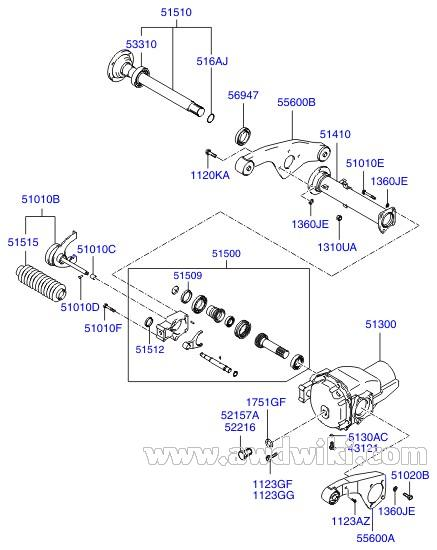
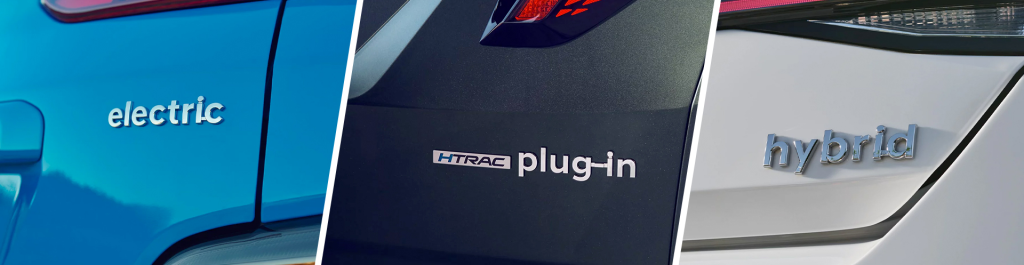
Hyundai HTRAC AWD system diagram at McCarthy Hyundai of Lawrence KS

FWD vs RWD vs AWD - Which Is Right for Kansas Drivers?

Summary: When you are choosing a new Hyundai, one of the most important decisions hiding behind the trim levels and feature lists is drivetrain: how the engine's power reaches the road. Front-wheel drive, rear-wheel drive, and all-wheel drive are not interchangeable. Each one behaves differently in everyday driving, in wet and icy conditions, and over the long life of the vehicle. For Lawrence, Kansas drivers dealing with unpredictable weather and varied road conditions, understanding these differences is genuinely practical knowledge. At McCarthy Hyundai of Lawrence, here is the complete, honest breakdown. Why Drivetrain Choice Matters More Than Most Buyers Realize It is easy to get absorbed in horsepower numbers, interior features, and fuel economy estimates when shopping for a new vehicle. Drivetrain often gets less attention than it deserves, partly because the differences are not obvious until you are driving in conditions that expose them. But the drivetrain determines how your vehicle behaves when you accelerate from a stop on a rain-slicked intersection, how it handles on a snowy highway on-ramp, how much interior space is available for passengers, how the vehicle feels under spirited driving, and even how expensive it will be to maintain over time. These are not trivial differences. They are the kind that Kansas drivers experience regularly, and choosing the wrong configuration for your driving life creates real friction, literally and figuratively. The good news is that once you understand how each system actually works, the right choice for most drivers becomes straightforward. Front-Wheel Drive (FWD): The Everyday Champion Front-wheel drive is the most common drivetrain configuration in the modern car market, and it earned that position for practical reasons rather than being the default by accident. How FWD Actually Works In a front-wheel drive vehicle, the engine's power is delivered exclusively to the front wheels through a transaxle, a compact unit that combines the transmission and differential in a single housing. The front wheels do two jobs simultaneously: they steer the vehicle and they propel it forward. The rear wheels simply roll along, contributing nothing to propulsion. This layout has a fundamental mechanical advantage: the engine's weight sits directly over the drive wheels, giving them more downward force and therefore more grip than they would have if the driven wheels were at the other end. This weight-over-drive-wheels relationship is why FWD vehicles handle winter conditions more confidently than rear-wheel drive vehicles, and why FWD has become the standard configuration for the vast majority of everyday passenger cars and crossovers. The Real Advantages of FWD Front-wheel drive's popularity is well-earned. The mechanical advantages it delivers are meaningful for everyday drivers: Better traction in rain and light snow: With the engine's weight over the drive wheels, FWD vehicles grip the road more effectively than RWD in slippery conditions. The front wheels are essentially pulling the vehicle forward rather than pushing it from behind, which is an inherently more stable arrangement on surfaces with reduced traction. More interior space: A FWD vehicle does not need a driveshaft running the length of the cabin floor. That eliminates the transmission tunnel hump that intrudes into rear-seat floor space in RWD vehicles. The result is a flatter rear floor and more usable passenger space, which is especially noticeable in the rear seat of sedans like the Elantra. Better fuel economy: FWD drivetrains are mechanically simpler and lighter than AWD systems. Fewer components mean less weight, which means better fuel efficiency. For commuters whose primary metric is cost per mile, FWD delivers a meaningful advantage. Lower purchase price and maintenance cost: Fewer moving parts means both a lower initial vehicle cost and fewer components that can wear out over time. CV axle joints on a FWD vehicle are less expensive to replace than the complex all-wheel drive components on a four-corner traction system. Predictable handling: FWD vehicles tend toward understeer in the limit, meaning the front wheels push wide in a corner rather than rotating unpredictably. This behavior is more intuitive and easier to manage for most drivers compared to the oversteer tendency of powerful RWD vehicles. The Honest Limitations of FWD FWD is not perfect, and being honest about its limitations helps you make the right choice: Torque steer: Under hard acceleration, powerful FWD vehicles can pull to one side as the driven wheels fight for traction. Modern electronic aids have reduced this significantly, but it remains a characteristic of high-powered FWD vehicles. Weight distribution: Concentrating the engine, transmission, and drive system at the front of the vehicle creates a nose-heavy weight bias. Performance enthusiasts notice this as a less engaging driving feel compared to a well-balanced RWD car. Limited traction in deep snow or severe conditions: FWD handles mild winter conditions well, but on steep inclines or in deep snow, having only two driven wheels is a limitation. This is where AWD's advantage becomes most apparent. Hyundai FWD Models at McCarthy Lawrence Most Hyundai models are available in FWD configuration, including the Elantra, Sonata, Venue, and base Tucson and Santa Fe trims. These are excellent choices for Lawrence-area drivers who primarily drive paved roads and want maximum fuel efficiency and value. Browse our new inventory to see currently available FWD models. Rear-Wheel Drive (RWD): The Performance Specialist Rear-wheel drive was the original automotive drivetrain configuration and remains the preferred choice for performance vehicles and trucks for reasons that are well-grounded in physics. How RWD Actually Works In a rear-wheel drive vehicle, the engine's power travels through a transmission, down a driveshaft running the length of the vehicle, to a differential at the rear axle, which then distributes power to the rear wheels. The rear wheels push the vehicle forward while the front wheels handle only steering with no propulsion responsibility. This mechanical separation of tasks allows engineers to optimize each end of the vehicle for its specific job independently. The Real Advantages of RWD Better weight distribution: A RWD layout allows engineers to position the engine and transmission in ways that achieve closer to 50/50 front-to-rear weight balance. This balanced distribution is what gives performance RWD cars their engaging, responsive handling feel. The front wheels can focus purely on steering geometry, optimized for their task without the compromises required of FWD front suspension that must handle both steering and drive forces. Superior towing stability: This is why virtually every serious truck, large SUV, and towing-focused vehicle uses a RWD-based platform. Under tow load, weight transfers toward the rear, which loads the driven wheels and improves traction for pulling. A FWD vehicle under heavy tow load unweights its driven front wheels, reducing traction precisely when you need it most. More engaging driving dynamics: Consumer Reports' associate director of auto testing describes RWD as offering a more dynamic driving experience than typical FWD options. The ability to balance a car's attitude through throttle inputs, the natural balance of a well-distributed chassis, and the front wheels' undivided focus on steering all contribute to a more connected feel. The Honest Limitations of RWD Winter traction: RWD's most significant practical limitation for Kansas drivers is its behavior on snow and ice. With the driven wheels at the rear, which typically carry less weight than the front, rear-wheel drive vehicles are more prone to oversteer in slippery conditions. The rear steps out more easily under acceleration, requiring more driver skill to manage safely. Electronic stability control has improved this substantially on modern RWD vehicles, but the fundamental traction disadvantage in snow remains real. Interior space reduction: The driveshaft tunnel running from front to rear intrudes into the cabin floor, typically creating a raised hump in the rear floor area that reduces foot space for center rear passengers and can limit cargo floor flatness. Limited mainstream availability: For most mainstream passenger cars and crossovers, RWD is simply not offered. It remains the standard in performance cars, trucks, and larger body-on-frame SUVs, but the typical Hyundai shopper will find FWD and AWD as the relevant options for most models. RWD in the Hyundai Lineup Within Hyundai's current mainstream lineup, traditional rear-wheel drive is not offered on most passenger cars and crossovers. However, it is worth noting that the IONIQ 6 SE RWD is the most range-efficient configuration of that electric sedan at up to 361 miles of range, and some IONIQ 5 variants are also available in RWD. In the EV world, RWD regains relevance because an electric rear motor is mechanically simple, lightweight, and enables excellent range efficiency. The distinction between RWD and AWD in the EV context is somewhat different from traditional combustion vehicle drivetrains, which brings us to the third and most versatile option. All-Wheel Drive (AWD): The Confidence Builder All-wheel drive has become the fastest-growing drivetrain preference in the American market, and for drivers in variable-weather states like Kansas, the reasons are compelling. How AWD Actually Works Modern AWD systems, including Hyundai's HTRAC system, are fundamentally different from older four-wheel drive systems designed for off-road use. Rather than mechanically locking all four wheels to the same drivetrain, modern AWD systems use electronic controls to continuously monitor wheel speed, steering input, throttle position, and road conditions, then proactively distribute torque between front and rear axles to maximize traction in any given situation. In normal driving conditions on dry roads, most AWD systems operate primarily in two-wheel drive mode for fuel efficiency, seamlessly engaging the additional axle when sensors detect a traction difference. Hyundai's HTRAC system takes this a step further with torque vectoring capability, actively varying the power distribution not just between front and rear but between individual rear wheels to improve stability and cornering performance. It is important to understand what AWD does and does not do. AWD improves your ability to accelerate and maintain control on slippery surfaces. It does not improve your ability to stop on those surfaces. Braking distance on ice is the same regardless of how many wheels are driven. This distinction matters because AWD confidence can sometimes lead to overconfidence, particularly in drivers who underestimate how little stopping grip an icy road provides even to an AWD vehicle. The Real Advantages of AWD for Kansas Drivers Traction on slippery surfaces: Distributing power across all four wheels means more traction is available at every point of the contact patches. On wet roads, light snow, icy intersections, and mixed conditions, AWD provides a meaningful confidence advantage over two-wheel drive configurations. Proactive rather than reactive: Modern AWD systems like HTRAC engage before wheel slip occurs, not after it is detected. This proactive torque management means the vehicle stays planted and controlled rather than scrambling to recover traction it has already lost. Handles Kansas weather variability: Lawrence and northeast Kansas receive unpredictable weather. An October ice storm, a late April slush, a summer flash thunderstorm on the highway: AWD handles this variability better than a FWD or RWD vehicle because it is always managing power distribution to maintain optimal traction for conditions. Improved launch control: AWD vehicles accelerate more cleanly from a standing start because four wheels sharing the propulsion load reduces the wheelspin that wastes energy and causes instability in a two-wheel drive vehicle, particularly on anything other than a perfectly dry, level surface. The Honest Limitations of AWD Higher cost: AWD systems add mechanical complexity, weight, and manufacturing cost. The AWD version of most Hyundai models carries a purchase price premium of $1,400 to $2,000 over the FWD equivalent. Slight fuel economy penalty: The additional drivetrain components add weight and mechanical friction. AWD Hyundai models typically achieve 1 to 3 mpg less than their FWD equivalents in real-world driving. Modern AWD systems that decouple the rear axle in non-demanding conditions mitigate this considerably but do not eliminate it entirely. AWD is not a substitute for winter tires: This is worth stating clearly. AWD improves traction during acceleration and cornering but does nothing for braking distance on ice. Proper winter tires improve every aspect of cold-weather performance including braking, and for drivers in consistently harsh winter conditions, AWD plus winter tires is the gold standard. Hyundai AWD Models at McCarthy Lawrence AWD is available across a wide range of Hyundai models, and comes standard on every Tucson Hybrid, Santa Fe Hybrid, and Palisade Hybrid trim. Available AWD models at McCarthy Hyundai of Lawrence include: Tucson AWD and Tucson Hybrid AWD: HTRAC AWD standard on all Hybrid trims, available on standard Tucson SEL and above Santa Fe AWD and Santa Fe Hybrid AWD: HTRAC AWD available across the lineup, standard on all Hybrid trims Palisade AWD and Palisade Hybrid AWD: HTRAC AWD available on all V6 trims, standard on all Hybrid trims IONIQ 5 AWD: Dual-motor AWD configuration with separate front and rear electric motors IONIQ 6 AWD: Dual-motor AWD available, with AWD Single Motor RWD delivering the longest range option at up to 361 miles IONIQ 9 AWD: Standard on the three-row electric flagship Check our current new inventory for AWD availability on specific models and trims, and our specials page for current pricing and available offers. A Special Note: AWD in Hyundai Electric and Hybrid Vehicles The way AWD works in electrified vehicles is worth understanding because it is fundamentally different from traditional mechanical AWD systems and in many ways more capable. In the IONIQ 5, IONIQ 6, and IONIQ 9 AWD configurations, there is no traditional driveshaft connecting front and rear axles. Instead, each axle has its own dedicated electric motor. The front motor handles front-axle propulsion and the rear motor handles rear-axle propulsion, with both controlled electronically to deliver exactly the right torque split at each wheel independently. This electric AWD architecture offers several advantages over mechanical AWD: response time is nearly instantaneous since electric motors can adjust torque output thousands of times per second, there is no mechanical friction between axles reducing efficiency, and the system can be tuned to prioritize either AWD traction or single-motor efficiency by completely decoupling one motor when conditions allow. The result is an AWD system that is both more responsive than traditional mechanical AWD and more efficient when full traction is not needed. For the Palisade Hybrid and other HTRAC-equipped hybrid models, the electric motor integration into the drivetrain also means the AWD system responds faster than a purely mechanical system, particularly at low speeds where traction is most critical during winter acceleration. Which Drivetrain Is Right for Your Kansas Driving Life? With the technical picture clear, here is the practical decision guide for Lawrence-area Hyundai buyers: Your Driving Profile Best Drivetrain Recommended Model Daily commuter, mostly paved roads, fuel efficiency priority FWD Elantra Hybrid, Sonata Hybrid, Tucson FWD Year-round confidence in rain and Kansas winters AWD Tucson AWD, Santa Fe AWD, Palisade AWD Family SUV with maximum efficiency and AWD standard AWD Hybrid Tucson Hybrid, Santa Fe Hybrid, Palisade Hybrid EV with maximum range priority RWD Electric IONIQ 6 SE RWD (up to 361 miles) EV with maximum traction and performance AWD Electric IONIQ 5 AWD, IONIQ 9 Three-row family vehicle, long-trip confidence AWD Hybrid Palisade Hybrid (AWD standard) If you are genuinely unsure which drivetrain fits your specific commute, household, and seasonal driving patterns, our team at McCarthy Hyundai of Lawrence will ask the right questions and give you an honest recommendation. We have no incentive to push you toward the more expensive AWD option if FWD genuinely suits your driving life better. Key Takeaways: Drivetrain Decisions for Kansas Drivers ✅ FWD is the smart choice for most everyday Kansas commuters: better fuel economy, more interior space, lower cost, and adequate traction for normal winter conditions. ✅ RWD offers the best handling balance and towing stability but is the weakest performer in Kansas winter conditions without dedicated winter tires. ✅ AWD with HTRAC provides the best all-season confidence for Kansas drivers who experience variable weather and want proactive traction management on rain, slush, and light snow. ✅ AWD does not improve braking distance on ice. All-season tires plus AWD is better than FWD alone, but AWD plus winter tires is the gold standard for serious winter conditions. ✅ Hyundai's HTRAC AWD is standard on every Hybrid model in the Tucson, Santa Fe, and Palisade lineup, giving hybrid buyers AWD at no additional cost versus the FWD gas equivalent. ✅ Electric AWD systems in the IONIQ 5, 6, and 9 are more responsive and efficient than traditional mechanical AWD due to independent motor control at each axle. Why Choose McCarthy Hyundai of Lawrence? Whether you are choosing between FWD and AWD on a Tucson, comparing the IONIQ 6 RWD and AWD range figures, or simply trying to figure out which drivetrain makes the most sense for your family's driving life, the team at McCarthy Hyundai of Lawrence will give you accurate, honest guidance and the inventory to back it up: 4.5-Star Google Rating with Nearly 1,500 Reviews: Our reputation for honest, no-pressure service is backed by real experiences from thousands of Kansas drivers. Full Hyundai Lineup in FWD and AWD Configurations: We stock the complete Hyundai model range across drivetrain options. Browse current inventory online and filter by AWD to see available configurations. Transparent Finance Team: Our specialists will show you the real cost difference between FWD and AWD configurations and help you decide if the premium is worth it for your specific driving situation. Apply for financing online anytime. Current Specials on AWD Models: Check our new vehicle specials page for current offers on AWD Hyundai models. Certified AWD and Hybrid Service: Our factory-trained technicians service every drivetrain configuration in the Hyundai lineup, including HTRAC AWD and electric dual-motor systems. Schedule service online anytime. Right Here in Lawrence: Find us at 2829 Iowa St, Lawrence, KS 66047, convenient for drivers from Topeka, Overland Park, Kansas City, and across northeast Kansas. Call us at (785) 838-2327. Conclusion: The Right Drivetrain Is the One That Fits Your Roads Front-wheel drive, rear-wheel drive, and all-wheel drive are each the right answer in different circumstances. FWD wins on efficiency, simplicity, and everyday value for Kansas commuters who primarily drive paved roads. AWD wins on year-round confidence for drivers who want maximum traction in Kansas's variable weather without thinking twice. RWD wins on performance dynamics and towing stability for drivers whose priorities lean that direction. The Hyundai lineup covers all three, giving Lawrence-area drivers the freedom to match the drivetrain to their actual driving life rather than accepting whatever the manufacturer decided was default. Come see us at McCarthy Hyundai of Lawrence and we will help you find the right configuration for yours. 📍 Visit us: 2829 Iowa St, Lawrence, KS 66047 📞 Call us: (785) 838-2327 🔍 Browse AWD inventory | See current specials | Explore financing Frequently Asked Questions: FWD vs. RWD vs. AWD for Hyundai Drivers Is AWD worth it in Kansas? For most Lawrence-area drivers, AWD is worth the cost premium if you regularly encounter wet roads, occasional snow, or icy winter conditions. Hyundai's HTRAC AWD system proactively manages torque distribution before wheel slip occurs, giving you meaningful traction confidence in variable Kansas weather. If you primarily drive dry paved roads and rarely encounter significant winter conditions, FWD delivers the better fuel economy and lower cost without a meaningful safety compromise. What is the difference between AWD and 4WD? AWD systems like Hyundai's HTRAC are always-on, electronically controlled systems that automatically vary power distribution between axles based on real-time traction conditions. They are designed for on-road use including rain, snow, and mixed surfaces. 4WD systems, typically found on truck-based platforms, are designed for off-road use and often require the driver to manually engage them. 4WD is more capable in extreme off-road conditions, while AWD is more appropriate and efficient for everyday on-road winter driving. Does AWD help with braking on ice? No. AWD improves your ability to accelerate and maintain directional control on slippery surfaces but does not reduce stopping distance on ice. Braking distance is determined by tire grip, not by how many wheels are driven. Proper all-season or winter tires have a far greater impact on stopping distance in winter conditions than drivetrain configuration does. Which Hyundai models come with AWD standard? Hyundai's HTRAC AWD comes standard on all Tucson Hybrid, Tucson Plug-in Hybrid, Santa Fe Hybrid, Santa Fe Plug-in Hybrid, and Palisade Hybrid trims. It is available as an option on standard gasoline Tucson, Santa Fe, and Palisade models. The IONIQ 9 features AWD standard. The IONIQ 5 and IONIQ 6 are available in both RWD and AWD configurations. Is FWD or AWD better for snow driving in Kansas? AWD provides better traction in snow, particularly during acceleration and when navigating slippery intersections or on-ramps. However, FWD is also reasonably capable in light-to-moderate snow because the engine's weight sits over the driven front wheels. For severe winter conditions or drivers who want maximum confidence without thinking about traction management, AWD is the stronger choice. For typical Kansas winter conditions with occasional light snow and ice, a FWD vehicle equipped with quality all-season tires performs adequately for most drivers. Does AWD reduce fuel economy in Hyundai vehicles? Yes, but modestly. AWD Hyundai models typically achieve 1 to 3 mpg less than comparable FWD models due to the added weight and mechanical complexity of the AWD system. Modern HTRAC-equipped models mitigate this by decoupling the rear axle during light-demand driving, reducing unnecessary drivetrain friction. On Hybrid models, AWD comes standard without a significant additional fuel economy penalty compared to a FWD gas equivalent, making Hybrid AWD models an excellent value proposition for Kansas buyers. WORDPRESS TAGS (copy/paste into Tags field): FWD vs AWD Lawrence KS, Hyundai AWD Lawrence KS, HTRAC all-wheel drive Hyundai, McCarthy Hyundai of Lawrence, front wheel drive vs all wheel drive, Hyundai drivetrain guide, AWD Hyundai Kansas, Hyundai Tucson AWD Lawrence KS, Hyundai Santa Fe AWD, Hyundai Palisade AWD, all wheel drive Kansas winter, FWD vs RWD vs AWD, Hyundai HTRAC, rear wheel drive vs front wheel drive, new Hyundai AWD Lawrence KS

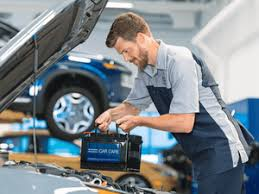
 Hyundai technician testing car battery at McCarthy Hyundai of Lawrence KS service center

Can Your Car Battery Handle Kansas Weather? What Every Driver Should Know

Summary: Your car battery is quietly working hard every single day, and two things are trying to shorten its life faster than anything else: heat and cold. For drivers in Lawrence and across northeast Kansas, where January lows can drop below zero and July temperatures push past 100 degrees, understanding how extreme weather affects your battery is not just interesting. It is the difference between starting your car when you need to and being stranded. The team at McCarthy Hyundai of Lawrence breaks down the science in plain language and tells you exactly what to watch for. Your Battery Is Not Just a Box Under the Hood Most drivers think about their car battery exactly once a year: when it fails to start the car on a cold morning. That is understandable, because a battery that is working does so invisibly and silently. But understanding how your battery actually functions helps explain why temperature is such a significant threat to it, and why a battery that seems perfectly fine in October can leave you stranded in February. A conventional 12-volt automotive battery is a lead-acid battery that generates electricity through a chemical reaction between lead plates and a sulfuric acid electrolyte solution. The amount of electrical energy that reaction can produce at any given moment depends directly on temperature. The chemical reaction slows when it is cold and accelerates when it is hot. Both of those effects have consequences, but they work differently and they damage the battery in different ways. Understanding each one separately helps you protect your battery more effectively and recognize when it is time to replace it before it leaves you stranded. Cold Weather: The Immediate Performance Killer When people talk about batteries dying in winter, cold weather is usually what they mean. And the physics behind it are straightforward once you understand them. What Cold Does to Your Battery's Chemistry Cold temperatures slow the electrochemical reactions inside your battery. When those reactions slow, the battery's ability to deliver current on demand drops significantly. The numbers tell the story clearly: At 32 degrees Fahrenheit, a fully charged battery loses approximately 20 percent of its available capacity compared to its rating at room temperature. At 0 degrees Fahrenheit, that capacity loss reaches approximately 40 to 50 percent. At minus 22 degrees Fahrenheit, some batteries lose up to 50 percent or more of their rated capacity. At the same time that your battery has less power to give, your engine is demanding more of it. Cold engine oil is thicker and provides more resistance to the starter motor. A cold engine requires more cranking time before it fires. Cold temperatures slow the combustion process itself, meaning the engine is harder to start and draws more energy from the battery to do so. All of this happens simultaneously, which is why a battery that handles September mornings without issue might not survive a January morning at minus 10 degrees in Lawrence. The Aging Battery Problem A brand-new, fully charged battery has sufficient reserve capacity to handle the cold-weather performance reduction without failing. The issue is that most batteries are not brand new when the really cold weather arrives. A battery that is three or four years old and sitting at 70 or 80 percent of its original capacity in ideal conditions might only have 35 to 40 percent of usable power available on a minus 10-degree morning. That is often not enough to start a modern Hyundai. This is why batteries seem to "die in winter" when they were actually weakened by the previous summer's heat. Cold weather exposes the weakness that heat damage created months earlier. The battery was already compromised. Cold weather was just the final test it could not pass. Warning Signs of a Battery Struggling in Cold Your battery will usually give you advance warning before it fails completely in cold weather. Pay attention to these signals: Slow cranking: The engine turns over more slowly than usual when you start, especially on cold mornings. This is the single most common early warning sign. Multiple attempts needed: The car starts, but only after the second or third try. Clicking sound with no crank: You hear rapid clicking when you turn the key but the starter does not engage. This indicates insufficient voltage to operate the starter motor. Dim headlights at startup: Headlights noticeably dim or flicker when you start the engine, indicating the battery cannot maintain adequate voltage under the starting load. Dashboard warning light: A battery icon or check electrical system warning illuminated on your dashboard is a direct flag. Any of these symptoms in November or December is a battery telling you it needs to be tested before January arrives. A battery test at our certified service center takes about five minutes and gives you a precise read on your battery's current health and projected remaining life. Heat: The Longer-Term Silent Threat Cold weather gets more attention for battery failures because the failures are dramatic and immediate. But heat is actually the more destructive force on your battery's overall lifespan. The distinction is important: cold reduces available power in the moment, while heat actively destroys the battery's physical components over time. What Heat Does Inside a Battery Inside a conventional lead-acid battery, heat accelerates two damaging processes: The first is electrolyte evaporation. The sulfuric acid and water mixture that serves as the battery's electrolyte can reach internal temperatures of 140 degrees Fahrenheit or higher under the hood on a hot Kansas summer day. At those temperatures, water evaporates from the electrolyte solution. As the water content decreases, the electrolyte becomes more concentrated and more corrosive, accelerating the degradation of the lead plates inside the battery. Sealed maintenance-free batteries are less vulnerable to evaporation loss than older-style batteries with caps, but they are not immune to heat damage. The second is accelerated chemical reaction. Battery chemistry obeys a well-established physical principle: for every 10 degrees Celsius increase in temperature above 77 degrees Fahrenheit (25 degrees Celsius), the rate of the internal chemical reaction approximately doubles, and the battery's service life is roughly cut in half. This is not theoretical. Automotive battery surveys consistently find that batteries in hot southern climates last an average of 18 to 30 months, while the same batteries in cooler northern climates last 48 to 60 months or longer. The Kansas Battery Life Equation Lawrence sits in a climate zone that delivers meaningful doses of both extremes. Summers that push batteries hard with heat and winters that demand maximum performance from batteries weakened by summer damage. The average car battery life in Kansas typically falls in the 3 to 5 year range, which is shorter than what drivers in milder climates experience but longer than what battery life looks like in Arizona or Florida. The practical implication is that a Kansas battery should be proactively tested starting around its third year of service, rather than waiting for a failure. Replacing a battery that tests as marginal costs a fraction of what a tow, locksmith, or missed day of work costs when you are stranded. Cold Cranking Amps: The Number That Matters Most for Kansas Winters When you are selecting a replacement battery for your Hyundai, Cold Cranking Amps (CCA) is the most important rating to pay attention to for Kansas winter performance. CCA measures how much current a battery can deliver for 30 seconds at 0 degrees Fahrenheit while maintaining a minimum voltage of 7.2 volts. It is the standardized measure of a battery's cold-weather starting power. Every vehicle has a minimum CCA requirement specified by the manufacturer. Using a battery that meets or slightly exceeds that requirement gives you adequate cold-weather starting performance. Using a battery with significantly more CCA than required gives you additional margin on the coldest days of the year, when that margin is most likely to make the difference between starting and not starting. Your Hyundai's required CCA rating is specific to your model and engine. Our service team at McCarthy Hyundai of Lawrence stocks and installs the correct battery for your exact vehicle, not a generic replacement that approximately fits. The right battery for your specific Hyundai, installed correctly with clean terminals and proper torque on the cables, performs meaningfully better than a generic close-enough substitution. How Long Should a Hyundai Battery Last? Most modern automotive batteries, including the OEM batteries installed in new Hyundai vehicles, are rated for approximately 3 to 5 years of service life under normal conditions. In Kansas, with its combination of hot summers and cold winters, planning for the lower end of that range is prudent. Several factors can shorten battery life beyond the temperature effects already discussed: Frequent short trips: If your Hyundai rarely runs long enough for the alternator to fully recharge the battery after starting, the battery spends much of its life in a partially discharged state. Partial-discharge cycling degrades battery capacity faster than full charge-discharge cycles. Extended parking: A vehicle left unused for two weeks or more will experience natural self-discharge. In cold weather, that process is faster and a deeply discharged battery in freezing temperatures can suffer permanent capacity loss. Parasitic draw: Modern vehicles with multiple electronic systems can draw small amounts of current even when switched off. Over time in a vehicle left parked for extended periods, this can fully discharge the battery. Corroded or loose terminals: Corrosion on battery terminals increases electrical resistance and means the battery cannot deliver its full available current to the starter. A battery that tests as adequate with clean terminals may fail to start the car reliably with corroded ones. Terminal cleaning is included in McCarthy's multi-point inspection at every service visit. Overcharging: A faulty alternator that delivers too much voltage accelerates electrolyte evaporation and plate corrosion, shortening battery life significantly. If you are replacing a battery more frequently than expected, having the charging system tested is a smart next step. How to Test Your Battery's Health Modern battery testers do far more than tell you whether a battery is currently charged. A quality load tester or conductance tester measures the battery's internal resistance and calculates its current capacity as a percentage of its original rating. A battery at 100 percent of rated capacity in September may test at 65 percent by the following spring after a hard winter. Knowing that number before cold weather arrives lets you make a proactive decision. Hyundai recommends having your battery tested at each scheduled service visit as part of the standard multi-point inspection, which our team at McCarthy Hyundai of Lawrence performs at every oil change appointment. We can also test your battery independently at any time if you have concerns. If you notice any of the warning signs mentioned earlier, do not wait for your next scheduled service. Stop in or schedule an appointment online and we will test it immediately. Key Takeaways: Protecting Your Battery Through Kansas Seasons ✅ Cold weather reduces your battery's available capacity by 20 to 50 percent depending on temperature, while simultaneously demanding more power to start a cold engine. ✅ Heat is actually the greater long-term threat: for every 10-degree Celsius increase above 77 degrees Fahrenheit, battery life is roughly cut in half through accelerated internal chemical reactions and electrolyte evaporation. ✅ Most Kansas Hyundai batteries have a realistic service life of 3 to 5 years given the region's temperature extremes. ✅ Battery failure in winter is often caused by heat damage from the previous summer, not by the cold itself. ✅ Slow cranking, multiple start attempts, and dim headlights at startup are early warning signs that deserve immediate battery testing. ✅ Cold Cranking Amps (CCA) is the most important specification for Kansas winter battery performance. ✅ Proactive battery testing starting at year three of ownership is the most cost-effective way to avoid a cold-weather failure. Why Choose McCarthy Hyundai of Lawrence for Your Battery Needs? When your battery needs testing, replacement, or if your charging system needs diagnosis, McCarthy Hyundai of Lawrence is the right place for Lawrence-area Hyundai drivers: The Correct Battery for Your Hyundai: We stock and install the exact OEM-spec battery for your specific model and engine, with the correct CCA rating, group size, and terminal configuration. Not a generic approximation. Battery Testing at Every Service Visit: Our multi-point inspection includes a battery load test at every oil change appointment. You always know your battery's current health without having to ask separately. Charging System Diagnosis: If your battery is draining faster than expected, we test the alternator and complete charging system to identify any underlying cause before you replace a battery that will just fail again. Factory-Certified Technicians: Our service team knows Hyundai's electrical systems specifically. Battery replacement on modern Hyundai vehicles sometimes requires a registration or initialization procedure for the battery management system to function correctly. Our team handles that automatically. 4.5-Star Google Rating with Nearly 1,500 Reviews: Straightforward service and honest advice from a team that Lawrence drivers have trusted for years. Easy Online Scheduling: Book your service appointment online any time. We will have your battery tested and your vehicle back on the road quickly. Conveniently Located: Find us at 2829 Iowa St, Lawrence, KS 66047, accessible from Topeka, Overland Park, Kansas City, and across northeast Kansas. Call us at (785) 838-2327 with any questions. Conclusion: Do Not Wait for a Dead Battery Morning The best time to find out your battery is failing is not on a January morning when you need to be somewhere. It is on a comfortable afternoon in October when you have time to deal with it calmly. A five-minute battery test at McCarthy Hyundai of Lawrence gives you the information you need to make that proactive decision, and the cost of a replacement battery when you are ready for it is a fraction of the cost and stress of a roadside failure in freezing weather. Kansas is hard on car batteries. Knowing that and staying ahead of it is all it takes to make sure your Hyundai starts reliably, every morning, no matter what the thermometer says. 📍 Visit us: 2829 Iowa St, Lawrence, KS 66047 📞 Call us: (785) 838-2327 🔧 Schedule a battery test or service appointment | Explore our service center Frequently Asked Questions: Car Battery and Kansas Weather How does cold weather affect my car battery? Cold temperatures slow the electrochemical reactions inside your battery, reducing its available capacity. At 32 degrees Fahrenheit, a battery loses approximately 20 percent of its capacity. At 0 degrees Fahrenheit that rises to 40 to 50 percent. At the same time, cold engines demand more current to start, creating a double challenge that can overwhelm an aging battery even if it seemed fine in warmer weather. Is heat or cold worse for my car battery? Heat causes more permanent long-term damage to battery lifespan, while cold creates more immediate performance problems. Heat accelerates electrolyte evaporation and internal chemical reactions that degrade the battery's physical components. For every 10-degree Celsius increase above 77 degrees Fahrenheit, battery life is roughly cut in half. Cold weather does not cause the same permanent damage but can expose weakness created by summer heat, which is why batteries often fail in winter after a hot summer. How long should a car battery last in Kansas? Given Kansas's combination of hot summers and cold winters, most automotive batteries have a realistic service life of 3 to 5 years. Proactive battery testing starting at year three of ownership is the most cost-effective way to avoid an unexpected cold-weather failure. What does Cold Cranking Amps (CCA) mean? Cold Cranking Amps (CCA) measures how much electrical current a battery can deliver for 30 seconds at 0 degrees Fahrenheit while maintaining a minimum voltage. It is the most important battery specification for cold-weather starting performance. Every vehicle has a minimum CCA requirement, and for Kansas winters, choosing a battery that meets or slightly exceeds that specification gives you the margin you need on the coldest mornings. What are the warning signs of a failing battery? The most common warning signs include slow engine cranking especially on cold mornings, needing multiple attempts to start the car, rapid clicking with no engine crank, dim or flickering headlights at startup, and a battery or electrical system warning light on the dashboard. Any of these symptoms before winter is a signal to have the battery tested immediately rather than waiting for a complete failure. Does battery replacement on a Hyundai require any special procedure? On modern Hyundai vehicles, battery replacement sometimes requires a battery registration or initialization procedure in the vehicle's battery management system to ensure the charging system charges the new battery correctly. Our factory-certified technicians at McCarthy Hyundai of Lawrence handle this automatically as part of every battery replacement, which is one reason dealer battery service is more comprehensive than a basic parts store swap. How do I schedule a battery test at McCarthy Hyundai of Lawrence? Use our online service scheduler any time, call us at (785) 838-2327, or stop in at 2829 Iowa St, Lawrence, KS 66047. A battery load test takes about five minutes and we include it at every scheduled service visit automatically. WORDPRESS TAGS (copy/paste into Tags field): car battery Lawrence KS, Hyundai battery replacement Lawrence KS, battery test Lawrence KS, McCarthy Hyundai of Lawrence, cold weather car battery, car battery Kansas, Hyundai service center Lawrence KS, battery cold cranking amps, car battery lifespan, dead battery cold weather, Hyundai battery service, auto service Lawrence KS, car battery warning signs, battery heat damage, Hyundai maintenance Lawrence KS

Synthetic oil change at McCarthy Hyundai of Lawrence

Does Synthetic Oil Really Make a Difference? Everything Hyundai Drivers Need to Know

Summary: The short answer is yes, and the difference is not subtle. Synthetic oil and conventional oil are fundamentally different products at the molecular level, and for the precision-engineered engines in modern Hyundai vehicles, that difference has direct, measurable consequences for engine protection, fuel economy, and how long your vehicle lasts. At McCarthy Hyundai of Lawrence, we get questions about oil types at every service visit. Here is the complete, accurate picture. Why This Question Matters More Than Most Drivers Realize Motor oil is arguably the single most important fluid in your vehicle. It lubricates hundreds of precision-machined metal components that move against each other at high speed, often at temperatures exceeding 200 degrees Fahrenheit. It carries heat away from critical surfaces. It suspends contaminants and carries them to the filter. It coats and protects metal surfaces during the seconds after a cold start when everything is dry. The quality and type of oil you put in your Hyundai determines how well all of that happens. And between synthetic and conventional oil, the performance gap is not a marketing exaggeration. It is real, it is measurable, and it becomes increasingly significant the more demanding your driving conditions are. For Kansas drivers dealing with temperature swings from below zero in January to over 100 degrees in August, that gap matters more than it would in a mild climate. And for modern Hyundai engines built with tighter tolerances and higher operating temperatures than previous generations, virtually all of which specify synthetic oil from the factory, the choice is essentially already made for you. What Is the Actual Difference Between Synthetic and Conventional Oil? To understand why synthetic oil outperforms conventional, you need to understand what each one actually is. Conventional Oil: Refined From Crude Conventional motor oil starts as crude petroleum extracted from the ground. It is refined through a distillation process that removes most contaminants and separates out the molecules most useful for lubrication. The result is a functional lubricant, but one with an inherent limitation: crude oil contains molecules of varying sizes and structures. Even after refining, conventional oil has a degree of molecular inconsistency that affects how it performs across a range of temperatures and operating conditions. At low temperatures, the larger, less uniform molecules in conventional oil cause it to thicken more significantly, slowing the oil's flow to critical engine components during startup. At high temperatures, the smaller molecules evaporate more readily, causing oil consumption and reducing the oil's protective film strength over time. Synthetic Oil: Engineered From the Ground Up Full synthetic oil starts with either highly refined petroleum base stocks or chemically synthesized base stocks, both processed to achieve a level of molecular uniformity that crude-derived oil cannot match. The molecules in a quality full synthetic are engineered to be consistent in size and structure. Additives are then blended in specific formulations optimized for modern engine requirements rather than to compensate for base oil weaknesses. The result is an oil that performs fundamentally differently across the metrics that matter most to engine health: Viscosity Index: A measure of how much an oil's thickness changes with temperature. Synthetic oils typically achieve viscosity index ratings of 120 to 180. Conventional oils generally fall in the 80 to 120 range. A higher viscosity index means more consistent lubrication whether the engine is cold or hot. Cold-flow performance: Synthetic oil flows immediately at temperatures as low as minus 40 degrees Fahrenheit. Conventional oil at those temperatures can become so thick it cannot circulate effectively, leaving engine surfaces momentarily dry at startup. Thermal stability: Synthetic oil maintains its protective film strength at operating temperatures well over 400 degrees Fahrenheit, resisting the oxidation and breakdown that degrades conventional oil at sustained high temperatures. Volatility: Synthetic oils evaporate less than conventional oils at high temperatures, meaning less oil is consumed between changes and the remaining oil maintains its properties longer. Why Kansas Driving Makes Synthetic Oil the Clear Choice Every region has its own set of driving challenges, and Kansas presents a combination that makes synthetic oil's advantages particularly meaningful. Temperature Extremes Lawrence, Kansas experiences some of the most significant seasonal temperature variation in the country. January mornings regularly drop into the single digits or below zero. July afternoons push well past 100 degrees. The engine oil in your Hyundai must perform reliably across this entire range. On a January morning when you start your Tucson or Elantra in the driveway, the oil sitting in the engine has been at ambient temperature all night. Conventional oil at minus 10 degrees is significantly thicker than it was at 70 degrees and takes longer to pump to the cylinder heads, camshafts, and other upper-engine components that need lubrication immediately at startup. This cold-start gap is when a disproportionate amount of engine wear occurs over a vehicle's life. Synthetic oil's low-temperature flow characteristics dramatically reduce this cold-start vulnerability. It reaches critical engine surfaces faster, particularly in those first few seconds before oil pressure fully builds, when protecting against metal-to-metal contact matters most. At the other extreme, a Palisade sitting in summer traffic with the air conditioning working hard is asking its engine oil to maintain protective film strength at sustained high temperatures. Synthetic oil's thermal stability means it keeps doing its job in July the same way it does in January. Stop-and-Go Driving For Lawrence drivers commuting through town, running between school pickups, or navigating the Kansas City metro on a regular basis, stop-and-go driving is one of the most demanding conditions for motor oil. Frequent deceleration and acceleration cycles mean the engine is constantly changing temperature and load, and shorter trip durations mean the engine may never fully reach optimal operating temperature before being shut off again. Incomplete warm-up cycles allow fuel and moisture to accumulate in the oil, accelerating degradation. Synthetic oil's superior oxidation resistance and detergent properties handle this more effectively, keeping the oil cleaner and functional for longer between changes. Modern Hyundai Engines Are Specifically Designed for Synthetic This is the aspect of the synthetic oil question that removes most of the ambiguity for Hyundai owners: modern Hyundai engines are not just compatible with synthetic oil. They are engineered around it. Current Hyundai engines across the lineup specify full synthetic 0W-20 or 5W-30 motor oil depending on the model. These ultra-low viscosity ratings, which deliver better fuel efficiency and faster oil delivery at startup, are only achievable with synthetic base stocks. You cannot make 0W-20 conventional oil that provides adequate engine protection because the conventional base oil molecules required to reach that low cold-flow rating do not have the film strength or thermal stability that the engine requires once it warms up. Only synthetic chemistry can deliver both simultaneously. The tighter engine tolerances of modern Hyundai powertrains, particularly the Smartstream family of engines, also demand a lubricant that maintains consistent film thickness across the operating range. The molecular uniformity of full synthetic oil provides that consistency in a way conventional oil cannot. Turbocharged Engines: Where Synthetic Is Non-Negotiable If you drive a turbocharged Hyundai, which includes the Tucson 1.6T, Santa Fe 2.5T, Sonata 1.6T, Elantra N, and Palisade Hybrid's 2.5T, using anything other than full synthetic oil is genuinely risky. Turbocharger bearings spin at up to 200,000 RPM and are directly lubricated by the engine's oil supply. The temperatures in and around a working turbocharger are dramatically higher than in a naturally aspirated engine. When the engine is shut off, oil flow stops but the turbo continues spinning on residual heat for several minutes, a condition called heat soak. Conventional or lower-quality oils can partially cook in these conditions through a process called coking, where oil residue bakes onto turbo components and gradually restricts oil flow. Once coking begins, turbocharger bearing wear accelerates, eventually leading to turbo failure at a replacement cost that can run $1,500 to $3,000 or more. Full synthetic oil's thermal stability and lower volatility make it far more resistant to coking, and using it in a turbocharged Hyundai is not optional. Synthetic Oil and Your Extended Oil Change Intervals One of the practical benefits of synthetic oil for Hyundai owners is the extended service interval it enables. Conventional oil in older vehicles required changes every 3,000 miles because it simply degraded that quickly. Full synthetic oil in a modern Hyundai holds its protective properties substantially longer. Hyundai's recommended oil change interval for most current models running full synthetic under normal driving conditions is every 7,500 miles or 12 months, whichever comes first. This is possible specifically because full synthetic oil maintains its viscosity and protective additives for that duration in a way conventional oil cannot. This extended interval also has a financial dimension worth acknowledging. If a conventional oil change costs $40 and a synthetic change costs $75, but the synthetic lasts 7,500 miles while conventional requires changing at 3,000 miles, the synthetic actually costs less over the same mileage. Three conventional oil changes at $40 each equals $120 for 9,000 miles of coverage. Two synthetic oil changes at $75 each equals $150 for the same distance. The per-mile cost comparison is closer than most people assume, and the superior engine protection synthetic provides adds long-term value that the upfront price comparison does not capture. Synthetic Blend vs. Full Synthetic: Is There a Middle Ground? Synthetic blend oil combines conventional petroleum base stock with synthetic base stock, providing better performance than pure conventional oil at a lower cost than full synthetic. For older, lower-specification vehicles, a quality synthetic blend can be a reasonable choice. For current Hyundai models, however, the owner's manual specifies full synthetic, and that specification should be respected. The engine was designed and tested with full synthetic oil, and the 7,500-mile service interval assumes full synthetic properties. Using a synthetic blend instead of full synthetic does not provide the temperature stability, cold-flow performance, or interval longevity that Hyundai's engineering team validated the engine against. When you service your Hyundai at McCarthy Hyundai of Lawrence, we use only the oil type and viscosity specified for your exact model. No guesswork, no substitutions. What About High-Mileage Synthetic Oil? High-mileage synthetic oil is a specialized formulation designed for vehicles with over approximately 75,000 miles on the odometer. It contains additional seal conditioners that help restore flexibility to older gaskets and seals that may have shrunk slightly over time, and higher concentrations of detergents to help address any sludge accumulation in older engines. For a well-maintained Hyundai with a clean service history, standard full synthetic is generally the right choice regardless of mileage. For a higher-mileage Hyundai that has had inconsistent service history or shows any signs of minor leakage from aged seals, high-mileage full synthetic can be a practical step up. Our service advisors at McCarthy can assess your specific vehicle and recommend the appropriate formulation based on its actual condition and history. Key Takeaways: Synthetic Oil for Your Hyundai ✅ Full synthetic oil is engineered at the molecular level for consistent viscosity across a far wider temperature range than conventional oil. ✅ All current Hyundai models specify full synthetic oil, and turbocharged models make it genuinely non-negotiable. ✅ Kansas temperature extremes, from harsh winters to intense summers, make synthetic oil's cold-flow and thermal stability advantages especially relevant for Lawrence-area drivers. ✅ Synthetic oil enables Hyundai's 7,500-mile service interval, making the per-mile cost more competitive with conventional oil than the upfront price difference suggests. ✅ Synthetic oil's superior film strength directly protects turbocharger bearings from heat-soak coking that conventional oil cannot adequately resist. ✅ Using the oil type and viscosity specified in your owner's manual is essential for warranty protection and optimal engine health. Why Choose McCarthy Hyundai of Lawrence for Your Oil Change? An oil change sounds simple, but the right oil, the right filter, and the right service interval for your specific Hyundai model matter more than the price on the service board. Here is what you get at McCarthy Hyundai of Lawrence: The Exact Oil Your Hyundai Requires: We use only the oil type, viscosity grade, and specification called for in your owner's manual for your specific model and engine. No guessing, no substitutions, no one-size-fits-all approach. Genuine Hyundai Oil Filters: Our oil filters are manufactured to the exact flow rate and filtration specifications for your engine, not a generic filter designed to fit a broad range of vehicles. Factory-Certified Technicians: Our service team is trained specifically on Hyundai engines and systems. They know what your particular vehicle needs and will tell you honestly if anything else requires attention. Multi-Point Inspection Included: Every oil change at McCarthy includes a comprehensive inspection of brakes, tires, fluids, belts, battery, and other critical systems so small issues get caught early. 4.5-Star Google Rating with Nearly 1,500 Reviews: Our reputation reflects years of straightforward, honest service for the Lawrence community and drivers across northeast Kansas. Easy Online Scheduling: Book your oil change online any time, day or night. No phone tag, no waiting on hold. Convenient Lawrence Location: Find us at 2829 Iowa St, Lawrence, KS 66047, accessible from Topeka, Overland Park, Kansas City, and across the region. Call us at (785) 838-2327 with any questions. Conclusion: Yes, Synthetic Oil Makes a Real Difference The question posed in the title has a clear answer. Synthetic oil makes a meaningful, measurable difference in how well your Hyundai's engine is protected, how it starts on cold Kansas mornings, how it holds up under summer heat, and how long it remains in peak operating condition. For modern Hyundai engines that specify it from the factory, it is not a premium upgrade. It is simply the right oil. The good news is that running the correct full synthetic oil in your Hyundai also happens to be the most cost-effective long-term choice when you factor in extended service intervals and the engine wear it prevents over hundreds of thousands of miles. Come see us at McCarthy Hyundai of Lawrence for your next oil change and we will take care of everything, with the right product, the right service, and honest advice on what your specific vehicle actually needs. 📍 Visit us: 2829 Iowa St, Lawrence, KS 66047 📞 Call us: (785) 838-2327 🔧 Schedule your oil change online | Explore our service center Frequently Asked Questions: Synthetic Oil for Hyundai Does my Hyundai require full synthetic oil? Yes. Virtually all current Hyundai models require full synthetic motor oil, typically 0W-20 or 5W-30 depending on the specific engine. This is specified in your owner's manual and is required for the engine to perform as designed, maintain the recommended service interval, and keep your warranty coverage intact. Using conventional oil in a modern Hyundai that specifies full synthetic is not recommended. What is the difference between synthetic and conventional motor oil? Conventional oil is refined from crude petroleum and contains molecules of inconsistent size and structure. Full synthetic oil is engineered to a uniform molecular structure that provides more consistent viscosity across temperature extremes, better resistance to thermal breakdown, superior cold-flow performance, and longer service life. The viscosity index of synthetic oils (typically 120 to 180) is substantially higher than conventional oils (typically 80 to 120), meaning synthetic oil changes much less in thickness between cold starts and high operating temperatures. Why is synthetic oil especially important for turbocharged Hyundai engines? Turbocharged engines generate extreme heat around the turbocharger bearings, which spin at up to 200,000 RPM. After the engine shuts off, the turbo continues spinning in residual heat while oil flow has stopped. Conventional oil can partially cook in these conditions through a process called coking, which deposits residue on turbo components and accelerates bearing wear. Full synthetic oil's thermal stability and lower volatility make it far more resistant to coking and is essential for the longevity of turbocharged Hyundai engines. Does synthetic oil last longer between changes? Yes. Full synthetic oil maintains its viscosity and protective additive package substantially longer than conventional oil. Hyundai's recommended oil change interval for most current models running full synthetic under normal driving conditions is 7,500 miles or 12 months, compared to the 3,000-mile interval associated with older conventional oil usage. This extended interval makes the per-mile cost of synthetic oil more competitive than the higher upfront price suggests. Can I switch from conventional to synthetic oil in my Hyundai? Yes. You can switch between conventional and synthetic oil without any special flushing procedure or preparation. The oils are fully compatible. That said, since virtually all current Hyundai models specify full synthetic from the factory, most Lawrence-area drivers are already using it. If you are uncertain what oil is currently in your vehicle, our service team can check and advise at your next visit. How do I schedule an oil change at McCarthy Hyundai of Lawrence? Use our online service scheduler available 24 hours a day, call us at (785) 838-2327, or visit us at 2829 Iowa St, Lawrence, KS 66047. We use only the factory-specified oil and filter for your exact Hyundai model at every visit. WORDPRESS TAGS (copy/paste into Tags field): synthetic oil Hyundai Lawrence KS, synthetic vs conventional oil, Hyundai oil change Lawrence KS, McCarthy Hyundai of Lawrence, full synthetic oil Hyundai, Hyundai service center Lawrence KS, Hyundai oil change interval, turbocharged Hyundai oil, Hyundai engine oil, best oil for Hyundai, synthetic oil benefits, auto service Lawrence KS, Hyundai maintenance Lawrence KS, 0W-20 synthetic oil, oil change near me Lawrence KS

Hyundai service technician performing maintenance at McCarthy Hyundai of Lawrence KS

Essential Hyundai Maintenance Tips Every Kansas Driver Should Know

Summary: Your Hyundai is engineered to last. With Hyundai's legendary 10-year/100,000-mile powertrain warranty and one of the strongest reliability records in the industry, the foundation is already there. What you do between dealership visits determines how well that engineering holds up over the long run. At McCarthy Hyundai of Lawrence, we have put together this practical, accurate guide to the maintenance habits that keep Kansas Hyundai owners on the road longer, spend less on repairs, and get the most out of every mile. Why Regular Maintenance Matters More Than Most People Realize It is easy to treat routine maintenance as an inconvenience: something you do because the sticker on the windshield says to, not because you understand why it matters. But the connection between regular maintenance and long-term vehicle health is more direct than most drivers appreciate. Modern Hyundai engines are precision-engineered machines with tolerances measured in thousandths of an inch. When the oil that lubricates those moving parts degrades, when brake fluid absorbs moisture and loses its effectiveness, when worn tires compromise the contact patch between your vehicle and the road, the effects accumulate gradually and silently until something fails or performs noticeably worse than it should. By the time you feel the problem, you are usually paying significantly more to fix it than preventive maintenance would have cost. There is also a warranty angle worth understanding. Hyundai's 10-year/100,000-mile powertrain warranty requires adherence to the maintenance schedule in your owner's manual. A sporadic service history can complicate warranty claims. Servicing at McCarthy Hyundai of Lawrence creates a complete, factory-documented service record that keeps your coverage fully intact. One more advantage worth knowing: Hyundai's Complimentary Maintenance program covers normal factory-scheduled maintenance for 3 years or 36,000 miles on most new Hyundai models purchased since February 2020. This includes oil and filter changes at recommended intervals and tire rotations. If your vehicle is within this window and you have not been using it, you are leaving real value on the table. Services must be completed at an authorized Hyundai service center within 1,000 miles or one month of when they are due. With that context in place, here are the essential maintenance habits every Hyundai driver in the Lawrence area should understand. Tip 1: Get Your Oil Changed on the Right Schedule, Not an Arbitrary One Oil changes are the single most impactful routine maintenance task for your engine's long-term health. The challenge is that a lot of misinformation still circulates about when they are actually needed, and following the wrong interval costs you either money or engine protection. The Accurate Hyundai Oil Change Interval For most current Hyundai models running full synthetic oil, which is what Hyundai specifies for virtually all modern engines in their lineup, the recommended interval is every 7,500 miles or 12 months under normal driving conditions, whichever comes first. Under severe driving conditions, that shortens to approximately 5,000 miles or 6 months. Severe driving conditions are more common than most drivers assume. If your daily routine includes any of the following, you fall into the more frequent service category: Frequent short trips under 5 miles, especially in cold weather when the engine never fully warms up Stop-and-go commuting in heavy traffic on a regular basis Towing a trailer, hauling heavy loads, or using your vehicle for work purposes Driving in extreme temperatures, and Kansas summers and winters both qualify Regular driving on dusty or unpaved roads If several of those describe your daily driving, lean toward the 5,000-mile interval. If your driving is primarily moderate highway commuting, the 7,500-mile interval applies and there is no benefit to changing it sooner. Let Your Oil Life Monitor Guide You Most current Hyundai models are equipped with an Oil Life Monitoring System that tracks real driving data including engine temperature, RPM patterns, and trip length to calculate when your oil is actually degrading, rather than simply counting miles. When the system alerts you, it is time to service. When it does not, your oil still has useful life remaining. Trust it. One Rule That Always Applies Oil degrades over time, not just through use. Even if you drive very few miles in a year, change your oil at least once annually. A Hyundai that sits primarily in the garage still needs fresh oil every 12 months because oxidation, moisture contamination, and fuel dilution degrade the oil's protective properties regardless of mileage. Tip 2: Take Tire Maintenance Seriously, All Four Tires, All Year Long Your tires are the only part of your Hyundai that touches the road. Every acceleration input, every braking force, every cornering load transfers through four contact patches roughly the size of your palm. The condition of those tires affects your safety in ways that no other maintenance item matches in directness. Tire Rotation: Every 7,500 Miles Hyundai recommends rotating your tires every 7,500 miles, which conveniently aligns with the standard oil change interval. This makes it easy: every time you get an oil change at McCarthy Hyundai of Lawrence, your tires get rotated as part of the same visit. Why does rotation matter? Front and rear tires wear at different rates because they perform different jobs. Front tires on front-wheel-drive vehicles handle both steering and most of the driving force, causing them to wear faster than the rears. By rotating tires regularly, you equalize the wear across all four, extending the overall service life of your set and maintaining consistent handling balance. For AWD models like the Tucson Hybrid, Santa Fe AWD, or Palisade, regular rotation is especially important. Uneven tire wear on an AWD system can create speed differences between the axles that put stress on the transfer case and differential components over time. Check Tire Pressure Monthly Tire pressure changes with temperature at a rate of approximately one pound per square inch (PSI) for every 10 degrees Fahrenheit of temperature change. That means a Kansas autumn, where temperatures can swing 40 degrees between a warm afternoon and a cold morning, can take your tires from properly inflated to meaningfully underinflated within days without any slow leak involved. Check your tire pressure at least once a month and always before long highway drives. The correct pressure for your specific Hyundai is found on the sticker inside the driver's door jamb, not on the tire sidewall. The number on the tire is the maximum pressure the tire can safely hold, not the recommended operating pressure for your vehicle. Underinflated tires reduce fuel economy, increase tread wear, generate more heat during highway driving, and reduce handling responsiveness. Your Hyundai's Tire Pressure Monitoring System (TPMS) will alert you when pressure drops significantly, but it is not a substitute for monthly manual checks since the alert threshold is typically set below the optimal pressure range. Know When to Replace The industry standard for minimum safe tread depth is 2/32 of an inch, which you can check with the penny test: insert a penny into the tread groove with Lincoln's head pointing down. If you can see the top of Lincoln's head, your tires are at or below the legal minimum and need immediate replacement. Most mechanics and safety organizations recommend replacing tires at 4/32 to maintain adequate wet weather performance, particularly relevant for Kansas spring and summer rain. Do not wait for the TPMS light or a blowout to address worn tires. Tip 3: Follow Your Full Hyundai Maintenance Schedule, Not Just the Obvious Items Oil changes and tire rotations get most of the attention in maintenance conversations, but Hyundai's full recommended schedule includes a number of additional services at specific mileage intervals that have an equally direct impact on your vehicle's safety and longevity. Here is an accurate breakdown of what happens at each major service milestone: Every 7,500 Miles or 12 Months Engine oil and filter change Tire rotation Multi-point inspection covering brakes, fluids, battery, steering, and suspension Top off brake fluid, coolant, and windshield washer fluid Every 15,000 Miles All of the above, plus cabin air filter replacement Brake pad and rotor inspection Inspection of drive belts, hoses, and the cooling system Hybrid battery cooling filter check on hybrid models Every 30,000 Miles or 24 Months Engine air filter replacement Brake fluid replacement (this is an important one many drivers skip) Battery terminal cleaning and battery condition test Steering and suspension comprehensive inspection Air conditioning system performance check Hybrid battery cooling system inspection on applicable models Every 60,000 Miles Spark plug replacement Transmission fluid inspection and service if applicable Drive belt inspection Brake system full inspection including brake fluid replacement if not recently done Inverter coolant replacement on hybrid models Every 120,000 Miles (First Fill) / 60,000 Miles (Subsequent) Engine coolant replacement using Hyundai-approved long-life coolant Why Brake Fluid Deserves Special Attention in Kansas Brake fluid is one of the most commonly skipped items on the maintenance schedule and one of the most safety-critical. Brake fluid is hygroscopic, meaning it actively absorbs moisture from the atmosphere over time through microscopic pores in the brake lines and reservoir. As moisture content increases, the fluid's boiling point drops. In heavy braking situations such as a long downhill or an emergency stop, moisture-contaminated fluid can boil inside the caliper, creating vapor that is compressible and causes a spongy, reduced pedal. In an emergency, that matters enormously. Hyundai recommends brake fluid replacement every 30,000 miles or 2 years, whichever comes first. Kansas humidity accelerates moisture absorption, making the time-based interval particularly relevant even if you have not yet reached 30,000 miles. This is not an expensive service, typically $100 to $150 at a dealership, and it is one of the clearest examples of a small investment that protects against a large safety risk. Cabin Air Filter: The One You Notice Most Day to Day The cabin air filter cleans the air that flows through your climate control system into the passenger compartment. Hyundai recommends replacement every 15,000 miles or 12 to 18 months. A clogged cabin filter reduces HVAC airflow, makes the system work harder, and in severe cases contributes to interior odors and reduced defogging effectiveness. Replacement is quick, inexpensive, and makes a noticeable difference in climate control performance, especially relevant for Kansas drivers dealing with spring pollen and summer dust. Bonus Tip: What to Watch Between Service Visits Professional scheduled service catches most issues before they become serious, but there are a few things worth monitoring between visits: Check engine light: Do not ignore it. A solid check engine light indicates a stored fault code that may or may not be urgent, but should be diagnosed promptly. A flashing check engine light indicates an active misfire and requires immediate attention to avoid catalytic converter damage. Brake pedal feel: A soft, spongy pedal or one that requires more pressure than usual to achieve normal stopping force is a brake system warning sign that needs same-day attention. Unusual noises: A squealing noise when braking typically indicates worn brake pad indicators doing their job of telling you it is time for an inspection. A grinding noise means the pads are worn through and rotor damage is occurring in real time. Fluid puddles: Any colored puddle consistently appearing under your parked Hyundai deserves investigation. Oil is brown to black, coolant is typically green or orange and sweet-smelling, and brake fluid is clear to light yellow and slippery. Battery age: Most vehicle batteries last 3 to 5 years. If yours is approaching or past that range, have it tested at your next service visit. A battery that tests at reduced capacity in October is a battery that may not start your Hyundai on a January morning in Lawrence. Hyundai Maintenance Schedule: Quick Reference for Lawrence Drivers Service Interval Key Services Every 7,500 miles / 12 months Oil and filter change, tire rotation, multi-point inspection Every 15,000 miles Cabin air filter, brake inspection, cooling system check Every 30,000 miles / 2 years Engine air filter, brake fluid replacement, battery check, suspension inspection Every 60,000 miles Spark plugs, transmission fluid, drive belt inspection, full brake system check Every 120,000 miles (or 60,000 subsequent) Engine coolant replacement Note: Always refer to your specific model's owner's manual for precise intervals, as they vary by model, engine type, and powertrain. Hybrid and EV models have additional service requirements not covered above. Our certified service team can provide a personalized maintenance plan for your specific vehicle at any visit. Key Takeaways: Maintaining Your Hyundai the Right Way ✅ Oil changes every 7,500 miles or 12 months with full synthetic oil under normal driving conditions, or 5,000 miles under severe conditions. ✅ Tire rotation every 7,500 miles, aligned with every oil change for convenience. ✅ Check tire pressure monthly, not just when the TPMS light comes on. ✅ Brake fluid replacement every 30,000 miles or 2 years is a safety-critical service that Kansas humidity makes especially important. ✅ Cabin air filter every 15,000 miles improves climate control performance and air quality in the cabin. ✅ Hyundai's Complimentary Maintenance covers oil changes and tire rotations for 3 years or 36,000 miles on most new models purchased since February 2020. ✅ Consistent service at McCarthy Hyundai of Lawrence creates a factory-documented history that protects your 10-year/100,000-mile powertrain warranty. Why Choose McCarthy Hyundai of Lawrence for Your Service Needs? Lawrence and northeast Kansas Hyundai owners trust McCarthy Hyundai of Lawrence for their service needs for reasons that go beyond proximity: 4.5-Star Google Rating with Nearly 1,500 Reviews: Our service department has earned its reputation through consistent, honest, accurate work. We tell you what your vehicle needs and explain why, without upselling services you do not require. Factory-Certified Hyundai Technicians: Our service team is trained specifically on Hyundai systems using Hyundai's proprietary diagnostic tools. Your oil change, brake service, or complex repair is performed by people who know your vehicle specifically, not just vehicles in general. Genuine OEM Parts: Every service and repair at McCarthy uses Hyundai-approved parts and fluids that meet factory specifications, protecting both your vehicle's performance and your warranty coverage. Complete Digital Service Records: Every visit is logged in Hyundai's system with full documentation of parts, fluids, and procedures. Your service history is clean, complete, and instantly accessible when you need it. Easy Online Scheduling: Book your service appointment online any time, 24 hours a day. No phone tag, no waiting on hold. Right Here in Lawrence: Find us at 2829 Iowa St, Lawrence, KS 66047, convenient for drivers from across Lawrence, Topeka, Overland Park, Kansas City, and northeast Kansas. Call us at (785) 838-2327 with any questions. Conclusion: A Little Maintenance Goes a Long, Long Way Hyundai builds vehicles that are genuinely designed to last. The 10-year powertrain warranty is not a marketing claim; it reflects confidence in the engineering. But no engineering survives neglect indefinitely. The drivers who get 150,000 and 200,000 miles out of their Hyundais are almost universally the ones who stayed consistent with their maintenance schedule and addressed small issues before they became large ones. The investment in routine maintenance is modest. The return in reliability, safety, and long-term value is substantial. Our team at McCarthy Hyundai of Lawrence is here to make that investment as straightforward and convenient as possible for every driver in Lawrence and the surrounding region. 📍 Visit us: 2829 Iowa St, Lawrence, KS 66047 📞 Call us: (785) 838-2327 🔧 Schedule your service appointment online | Explore our service center Frequently Asked Questions: Hyundai Maintenance in Lawrence, KS How often should I get my Hyundai's oil changed? Most current Hyundai models using full synthetic oil require an oil change every 7,500 miles or 12 months under normal driving conditions, whichever comes first. Under severe conditions including frequent short trips, stop-and-go traffic, towing, or extreme temperatures, the interval shortens to approximately 5,000 miles or 6 months. Your Oil Life Monitoring System will also alert you when service is due based on your actual driving patterns. How often should I rotate the tires on my Hyundai? Hyundai recommends tire rotation every 7,500 miles, which aligns with the standard oil change interval. Getting both services at the same visit is the most convenient approach and ensures nothing is missed. AWD models are especially dependent on regular rotation to prevent uneven wear from stressing the drivetrain. When should I replace the brake fluid in my Hyundai? Hyundai recommends brake fluid replacement every 30,000 miles or 2 years, whichever comes first. Brake fluid absorbs moisture over time, lowering its boiling point and potentially compromising brake performance under heavy use. Kansas humidity makes the time-based interval particularly relevant even if you have not yet reached 30,000 miles. Does Hyundai offer free maintenance on new vehicles? Yes. Hyundai's Complimentary Maintenance program covers normal factory-scheduled maintenance for 3 years or 36,000 miles on most new Hyundai models purchased since February 2020. This includes oil and filter changes at recommended intervals and tire rotations, performed at authorized Hyundai service centers. Services must be completed within 1,000 miles or one month of when they are due. What is included in a Hyundai multi-point inspection? Hyundai's multi-point inspection, performed at every scheduled service visit, covers brake pad thickness and rotor condition, all fluid levels and quality, tire tread depth and pressure, battery condition and terminal cleanliness, suspension components, steering system, belts and hoses, lights, and a general visual inspection for leaks or damage. It provides a comprehensive picture of your vehicle's current condition at every service interval. How do I schedule a service appointment at McCarthy Hyundai of Lawrence? The easiest way is to use our online service scheduler, available 24 hours a day. You can also call us at (785) 838-2327 or visit our service center at 2829 Iowa St, Lawrence, KS 66047. Our team is always happy to help. WORDPRESS TAGS (copy/paste into Tags field): Hyundai maintenance Lawrence KS, Hyundai oil change Lawrence KS, Hyundai service near me, McCarthy Hyundai of Lawrence, Hyundai tire rotation, Hyundai maintenance schedule, Hyundai brake fluid replacement, Hyundai service center Lawrence KS, auto maintenance Kansas, Hyundai complimentary maintenance, Hyundai cabin air filter, Hyundai dealership Lawrence KS, car maintenance tips Kansas, Hyundai oil change interval, Hyundai service schedule

 Hyundai IONIQ 5 and Tucson Hybrid at McCarthy Hyundai of Lawrence KS

Your Hyundai Hybrid and EV Experts Are Right Here in Lawrence, KS

Summary: Choosing a hybrid or electric vehicle is one of the most consequential car decisions you will make, and it deserves more than a dealer who simply has them on the lot. At McCarthy Hyundai of Lawrence, our team is specifically trained on Hyundai's electrified lineup from the Tucson Hybrid to the all-new IONIQ 9. We carry the full range of Hyundai hybrid and electric models, offer certified service for high-voltage systems, and give you straightforward, accurate guidance on every question from charging to range to the latest pricing developments. Here is what you need to know about Hyundai's electrified lineup and why Lawrence-area drivers trust McCarthy for their EV journey. Why More Kansas Drivers Are Going Electrified The shift toward hybrid and electric vehicles is no longer a fringe movement. It is the mainstream direction of the automotive industry, and the reasons are practical rather than ideological for most buyers making the switch. Fuel costs are the most immediate factor. A Hyundai Tucson Plug-in Hybrid driver who charges at home can complete most daily commutes entirely on electricity, bringing their effective per-mile fuel cost to a fraction of what gasoline costs. A Tucson Hybrid driver without a charger still achieves fuel economy well above the standard gasoline model, and over a year of Kansas highway driving that difference adds up to hundreds of dollars in savings. Performance is the second factor that surprises people who have not driven a modern hybrid or EV. Electric motors deliver their torque instantly, with no waiting for revs to build. The Palisade Hybrid's 329 horsepower feels effortless precisely because the electric motors fill in where the combustion engine is still spooling up. The IONIQ 5 and IONIQ 6 demonstrate what full electric performance means: smooth, linear, and unexpectedly quick in a way that makes a purely gasoline vehicle feel comparatively clunky afterward. Technology is the third draw. Hyundai's electrified vehicles consistently lead their segments in connectivity, driver assistance systems, and interior sophistication. The IONIQ 5's 800-volt ultra-fast charging architecture, the IONIQ 9's three-row EV family hauler capability, and the Tucson PHEV's ability to run on pure electricity for daily errands are all features that gasoline-only vehicles cannot match. The 2026 Hyundai Electrified Lineup: What Is Available Right Now Hyundai now offers one of the broadest electrified lineups of any mainstream automaker. Here is an accurate overview of every hybrid and electric model currently available at McCarthy Hyundai of Lawrence: Hybrid Models: Efficiency Without the Charger Model Combined Output Est. Fuel Economy Best For Elantra Hybrid 139 hp Up to 54 mpg combined Commuters wanting maximum fuel savings Sonata Hybrid 192 hp Up to 45 mpg combined Sedan drivers who want efficiency and refinement Tucson Hybrid 231 hp Up to 38 mpg combined Compact SUV buyers, AWD standard Santa Fe Hybrid 226 hp Up to 32 mpg combined Midsize family SUV, three-row available Palisade Hybrid 329 hp Up to 34 mpg combined Three-row flagship with 500+ mile range Plug-In Hybrid Models: Best of Both Worlds Model Combined Output Electric Range Best For Tucson Plug-in Hybrid 261 hp ~33 miles EV range Daily EV commuters who occasionally need longer range Santa Fe Plug-in Hybrid 261 hp ~31 miles EV range Families wanting EV daily driving in a midsize SUV Fully Electric Models: Zero Emissions, Zero Compromises Model Range (est.) Charging Architecture Best For Kona Electric Up to 261 miles Standard AC/DC First-time EV buyers, urban and suburban drivers IONIQ 5 Up to 318 miles 800V ultra-fast charging EV enthusiasts wanting fast charging and cutting-edge tech IONIQ 6 Up to 361 miles RWD 800V ultra-fast charging Efficiency-focused drivers wanting maximum range IONIQ 9 Up to 350 miles est. 800V ultra-fast charging EV families needing three-row space and long-trip range Every model above is available to browse, test drive, and purchase at McCarthy Hyundai of Lawrence. Check our current new inventory for live availability on specific trims and configurations. An Important Update on EV Pricing: Actually Good News for 2026 Buyers The federal EV tax credit of up to $7,500 that was available for qualifying electric vehicle purchases expired on September 30, 2025, following the passage of new federal legislation. If you read older sources suggesting this credit is still available for new purchases, that information is no longer accurate. However, here is the development that matters more for 2026 buyers: Hyundai responded to the credit expiration by cutting IONIQ 5 prices by up to $9,800 on 2026 models, exceeding the value of the expired tax credit. The 2026 IONIQ 5 SE RWD now starts at $35,000, down $7,600 from the prior year's pricing, while higher trims saw reductions of up to $9,225. Hyundai's stated commitment was clear: maintain the IONIQ 5's value proposition for buyers regardless of the change in federal incentives. The practical result for Lawrence-area buyers is that 2026 IONIQ 5 pricing is more competitive than it has ever been. Our finance team stays current on all available manufacturer incentives, regional offers, and financing programs so you always know the full picture of what your electrified Hyundai will actually cost. We also encourage buyers to check with a tax professional about any state-level EV incentives that may still apply in Kansas, as these vary and can provide meaningful additional savings. Why Buying a Hyundai EV or Hybrid Requires Real Expertise Shopping for an electrified vehicle is genuinely more complex than shopping for a conventional gasoline car. The questions buyers face are different in nature and require specific knowledge to answer accurately. What is the real-world range versus the EPA estimate, and how does a Kansas winter affect battery performance? Which home charging equipment is compatible, how much does installation typically cost in Lawrence, and does your electrical panel need an upgrade? How does Hyundai's 800-volt charging architecture affect charge times at public DC fast charging stations versus a standard Level 2 charger? What does the 10-year/100,000-mile EV battery warranty actually cover and under what conditions? How should a PHEV buyer think about their commute distance relative to the electric-only range when deciding between a plug-in hybrid and a full EV? These are not questions with simple answers, and they are not questions a generalist sales team trained across multiple brands can answer with precision. They require dedicated training on Hyundai's specific electrified platforms. What Makes McCarthy Hyundai of Lawrence Different for EV and Hybrid Buyers Sales Consultants Trained on Hyundai's Electrified Lineup Specifically Our sales team undergoes Hyundai-specific training on electrified vehicle technology including battery chemistry, charging infrastructure, range optimization, PHEV operating strategies, and the specific characteristics of each model in the lineup. When you ask about the difference between the IONIQ 5 and IONIQ 6, or whether the Tucson Hybrid or Tucson PHEV makes more sense for your commute, you get an accurate, model-specific answer rooted in training rather than a general impression. We will never push you toward a higher-priced EV if a hybrid better fits your actual driving patterns. Our goal is matching you to the right electrified vehicle for your life, not the most expensive one on the lot. Factory-Certified High-Voltage Service This is where the difference between a certified Hyundai dealer and a general shop becomes most significant. High-voltage battery systems, electric motor diagnostics, regenerative braking calibration, and PHEV charging system service all require factory-level training and equipment that independent shops simply do not have. Our certified service center employs factory-trained technicians specifically qualified on Hyundai's hybrid and EV platforms. Whether your IONIQ 5 needs a software update, your Tucson Hybrid's regenerative braking system needs calibration after a brake service, or your PHEV charging port requires diagnosis, our team has the tools and training to handle it correctly the first time. Every EV and hybrid service visit is logged in Hyundai's system, maintaining the clean service history that protects your 10-year/100,000-mile EV battery warranty and powertrain warranty coverage. Honest Guidance on Charging at Home and on the Road One of the most common points of confusion for first-time EV and PHEV buyers is the charging picture. Here is a straightforward overview of what Lawrence-area drivers need to know: Level 1 charging (standard 120V outlet): Adds approximately 3 to 5 miles of range per hour. Fine for PHEVs and low-mileage EV use but slow for daily full EV charging. Level 2 charging (240V home charger): Adds approximately 20 to 30 miles of range per hour. The practical standard for home EV charging, requiring a home charger unit and typically a 240V outlet installation. Charge times for a full IONIQ 5 run roughly 6 to 8 hours overnight. DC Fast Charging (public stations): Hyundai's 800-volt platform in the IONIQ 5, IONIQ 6, and IONIQ 9 enables charging from 10 to 80 percent in as little as 18 minutes at compatible 350 kW stations. Lawrence and the surrounding region have growing public charging networks including ChargePoint and Electrify America stations. For long highway drives, Kansas Turnpike charging infrastructure continues to expand. Tesla NACS port: The 2025 and 2026 IONIQ 5 includes a native NACS (Tesla-compatible) charging port, giving drivers access to Tesla's Supercharger network in addition to the standard CCS charging network, substantially expanding available public charging options across Kansas and beyond. Matching the Right Electrified Hyundai to Your Lawrence-Area Driving Life The best electrified vehicle for you is not necessarily the most advanced or the most expensive. It is the one that fits your daily mileage, your home charging situation, and your budget most accurately. Here is a practical framework: If You Drive Under 40 Miles Daily and Can Charge at Home The Tucson PHEV or Santa Fe PHEV is likely your best match. With approximately 30 to 33 miles of all-electric range, most of your daily driving happens on electricity alone. You fill up with gasoline for longer trips and road travel outside your electric range. The cost per mile on electricity is dramatically lower than gasoline, and you never experience range anxiety on longer drives. If You Want Maximum Daily Efficiency Without a Charger The Elantra Hybrid at up to 54 mpg or the Tucson Hybrid at up to 38 mpg delivers the best fuel economy in its respective segment without requiring any charging infrastructure. Simply fill up with gasoline as usual and the hybrid system handles the rest automatically. If You Want to Go Fully Electric for Daily Driving The IONIQ 5 at up to 318 miles is the most popular choice for good reason. It has the range to eliminate range anxiety for the vast majority of Kansas driving scenarios, the 800V fast charging architecture that makes road trips practical, and the interior space and technology that make it a genuinely complete daily vehicle rather than a compromise. If You Need EV Space for a Full Family The IONIQ 9 is Hyundai's newest and most ambitious EV: a three-row electric SUV with a projected 350-mile range and 800V fast charging. For Lawrence families who want to eliminate gasoline entirely without giving up passenger capacity, the IONIQ 9 is the answer the segment has been waiting for. Key Takeaways: Why McCarthy Hyundai of Lawrence for Your EV or Hybrid ✅ Hyundai offers the broadest electrified lineup of any mainstream automaker, from 54 mpg Elantra Hybrid to the fully electric three-row IONIQ 9. ✅ The federal EV tax credit expired September 30, 2025, but Hyundai responded with IONIQ 5 price cuts of up to $9,800, more than offsetting the expired incentive for 2026 model year buyers. ✅ Hyundai's 800-volt charging architecture in the IONIQ 5, 6, and 9 enables 10 to 80 percent charging in as little as 18 minutes at compatible fast chargers. ✅ 2025 and 2026 IONIQ 5 models include a native NACS port for Tesla Supercharger network access. ✅ McCarthy Hyundai of Lawrence employs sales consultants and service technicians specifically trained on Hyundai's electrified platforms. ✅ Every EV and hybrid service visit is factory-documented, protecting your 10-year/100,000-mile battery warranty. ✅ Check our current specials page for the latest incentives and offers on electrified Hyundai models. Why Choose McCarthy Hyundai of Lawrence? Lawrence and northeast Kansas drivers searching for a Hyundai hybrid or EV dealer near me will find the most knowledgeable, well-stocked, and straightforward option at McCarthy Hyundai of Lawrence. Here is what makes the difference: 4.5-Star Google Rating with Nearly 1,500 Reviews: Our reputation for honest, no-pressure service extends directly to how we handle electrified vehicle sales and service. You will get accurate information, not a sales pitch. Full Electrified Inventory: We stock the complete Hyundai hybrid, PHEV, and EV lineup. Browse current inventory online to see what is available today. EV-Knowledgeable Finance Team: Our finance specialists understand the full cost picture for electrified vehicles including current manufacturer incentives and financing options. Apply online or come in and we will walk through the numbers with you. Certified High-Voltage Service: From routine hybrid maintenance to complex EV battery diagnostics, our factory-trained team handles it all. Schedule service online any time. Right Here in Lawrence: Find us at 2829 Iowa St, Lawrence, KS 66047, convenient for drivers from across Lawrence, Topeka, Overland Park, Kansas City, and northeast Kansas. Call us at (785) 838-2327 with any questions. Conclusion: The Electrified Future Is Already Here, and So Are We The shift to hybrid and electric vehicles is not something happening in the future. It is the present reality of the automotive market, and Hyundai is among the best-positioned manufacturers in the world to help drivers make that transition confidently. The lineup is broad, the technology is genuinely excellent, and the value proposition in 2026 is stronger than it has ever been. At McCarthy Hyundai of Lawrence, we have the inventory, the expertise, and the commitment to make your electrified vehicle experience exactly what it should be: informed, honest, and rewarding. Come see us whenever you are ready to explore what driving electric or hybrid really means for your Kansas lifestyle. 📍 Visit us: 2829 Iowa St, Lawrence, KS 66047 📞 Call us: (785) 838-2327 🔍 Browse hybrid and EV inventory | See current specials | Explore financing Frequently Asked Questions: Hyundai Hybrid and EV Models in Lawrence, KS What Hyundai hybrid and electric models are available at McCarthy Hyundai of Lawrence? We carry the full Hyundai electrified lineup including the Elantra Hybrid, Sonata Hybrid, Tucson Hybrid, Tucson PHEV, Santa Fe Hybrid, Santa Fe PHEV, Palisade Hybrid, Kona Electric, IONIQ 5, IONIQ 6, and IONIQ 9. Browse current inventory online for live availability on specific models and trims. Is the federal EV tax credit still available for Hyundai EVs? The federal EV tax credit of up to $7,500 expired on September 30, 2025, following new federal legislation. It is no longer available for new EV purchases. However, Hyundai responded by reducing 2026 IONIQ 5 prices by up to $9,800, more than offsetting the expired credit for buyers of that model. Check with our finance team for the latest manufacturer incentives and regional offers, and consult a tax professional regarding any applicable state-level incentives in Kansas. How long does it take to charge a Hyundai IONIQ 5? Charge time depends on the charging method. A standard Level 2 home charger (240V) brings a 2026 IONIQ 5 from low to full charge in approximately 6 to 8 hours overnight. At a compatible 350 kW DC fast charging station, Hyundai's 800-volt architecture enables a charge from 10 to 80 percent in as little as 18 minutes. The 2025 and 2026 IONIQ 5 also includes a NACS port for access to Tesla's Supercharger network. What is the difference between a Hyundai Hybrid and a Plug-in Hybrid? A standard Hyundai Hybrid combines a gasoline engine with an electric motor and a small battery that charges automatically through regenerative braking and the engine. No external charging is required. A Plug-in Hybrid (PHEV) has a larger battery that can be charged from an external power source, providing a dedicated all-electric driving range of approximately 31 to 33 miles on Hyundai PHEV models before switching to hybrid gasoline operation. A PHEV offers the best value for drivers who can charge at home and complete most daily driving on electricity. Does McCarthy Hyundai of Lawrence service Hyundai EVs and hybrids? Yes. Our factory-trained technicians are certified on Hyundai's high-voltage battery systems, hybrid drivetrains, and EV platforms. We have the proprietary diagnostic tools and training required to properly service every electrified model in the Hyundai lineup. Schedule a service appointment online or call us at (785) 838-2327. What is the range of the 2026 Hyundai IONIQ 9? The 2026 Hyundai IONIQ 9 has a projected range of approximately 350 miles on a full charge. It features Hyundai's 800-volt ultra-fast charging architecture, enabling rapid charging at compatible DC fast charging stations. It is Hyundai's first three-row fully electric SUV and seats up to seven or eight passengers depending on configuration. WORDPRESS TAGS (copy/paste into Tags field): Hyundai hybrid dealer Lawrence KS, Hyundai EV near me Lawrence KS, McCarthy Hyundai of Lawrence, IONIQ 5 Lawrence KS, Hyundai IONIQ 9 Kansas, Hyundai Tucson Hybrid Lawrence KS, Hyundai EV dealer Kansas, electric car Lawrence KS, Hyundai PHEV Lawrence KS, Hyundai Kona Electric, IONIQ 6 Lawrence KS, Hyundai hybrid SUV Kansas, EV charging Lawrence KS, Hyundai electrified lineup, Hyundai Santa Fe Hybrid Lawrence KS

2026 Hyundai Palisade three-row SUV exterior at McCarthy Hyundai of Lawrence KS

The 2026 Hyundai Palisade: A Complete Guide to the Ultimate Family SUV

Summary: The 2026 Hyundai Palisade is Hyundai's most ambitious flagship SUV to date. A ground-up second-generation redesign brings a bolder exterior, a first-ever hybrid powertrain producing 329 horsepower, a completely reimagined interior with 181 cubic feet of total volume, a new XRT PRO off-road trim, and a technology stack that competes well above its price class. At McCarthy Hyundai of Lawrence, we have pulled together every verified spec and feature detail so Lawrence and northeast Kansas families can see exactly what the 2026 Palisade delivers before they walk through our door. Why the 2026 Palisade Is a Genuine Generational Leap The first-generation Palisade launched in 2020 and quickly became one of the most respected three-row family SUVs in the market. It offered more interior space, a stronger warranty, and better value than most of its competition, and it built a loyal following of Kansas families who appreciated getting more vehicle than their dollar seemed to allow. The 2026 model does not simply update that formula. It rebuilds the Palisade from the ground up with a completely new exterior design language, two new powertrain options, a redesigned interior that adds meaningful real-world space, a brand-new off-road trim, and technology features that did not exist in any previous Palisade. This is the kind of generational redesign that makes even loyal owners look twice. Here is everything you need to know, with accurate specifications from Hyundai's official media release. The New Exterior: Commanding, Purposeful, Unmistakable The 2026 Palisade moves decisively away from the rounded, approachable styling of the first generation and toward a boxier, more upright silhouette that projects confidence and authority on the road. The design shift is not purely aesthetic. The more vertical body structure directly contributes to the interior volume gains and the improved crumple zone geometry that Hyundai engineers built into the second generation. Key Exterior Dimensions Measurement 2026 Palisade vs. Previous Generation Overall Length 199.2 inches (200.4 XRT PRO) +3.1 inches longer Wheelbase 116.9 inches +2.7 inches longer Width (without mirrors) 78.0 inches Wider stance Height 69.5 inches Taller roofline Ground Clearance 7.4 inches standard / 8.4 inches XRT PRO XRT PRO adds 1 extra inch Those dimension gains translate directly into the interior space improvements covered below. The longer wheelbase is the most important number: nearly three extra inches between the axles means the second and third row passengers benefit from more legroom and a more comfortable ride over Kansas highway miles. At the front, stacked rectangular LED lighting blocks form a distinctive vertical light signature that is immediately recognizable from a distance. Active airflow shutters integrate into the front fascia for aerodynamic efficiency. Wheel sizes range from 18-inch alloys on base trims through 20-inch on the Limited and 21-inch on the Calligraphy, with all-terrain tires reserved for the XRT PRO. Two Powertrains, Both Completely New The 2026 Palisade debuts with two entirely new powertrains, replacing the previous generation's turbocharged four-cylinder with options that better reflect what Hyundai's flagship SUV buyers actually need. Standard 3.5L V6: Built Around Towing The base 2026 Palisade is powered by a naturally aspirated 3.5-liter V6 producing 287 horsepower and 260 lb-ft of torque, paired with an eight-speed automatic transmission with paddle shifters. Front-wheel drive is standard and HTRAC all-wheel drive is available on most trims. The V6's headline specification is its 5,000-pound towing capacity when properly equipped, the highest tow rating in the Palisade lineup. EPA fuel economy for the V6 with FWD comes in at an estimated 19 city / 25 highway / 21 combined mpg. With HTRAC AWD that adjusts to 18 / 24 / 20 mpg combined. For Lawrence-area families who regularly tow a boat to Clinton Lake, a camper to a Kansas state park, or a utility trailer for weekend projects, the V6 Palisade with AWD is the clear choice. Nothing in the Palisade lineup matches its 5,000-pound tow rating. The First-Ever Palisade Hybrid: More Power, Dramatically Better Efficiency The 2026 Palisade Hybrid is the headline powertrain story of the entire redesign, and the numbers make a compelling case. The system pairs a 2.5-liter turbocharged four-cylinder with dual electric motors integrated into a six-speed automatic transmission, producing a combined 329 horsepower and 339 lb-ft of torque. To put that in perspective: the Palisade Hybrid is 42 horsepower and 79 lb-ft of torque more powerful than the standard V6 Palisade, while using a smaller engine and delivering significantly better fuel economy. The 1.65 kWh lithium-ion battery pack operates at 300 volts, with dual permanent magnet synchronous motors providing instant electric torque that makes the hybrid's power delivery feel smooth and effortless. Hyundai projects fuel economy for the Palisade Hybrid at up to 34 combined mpg, with a projected total range of over 500 miles on a full tank. HTRAC all-wheel drive comes standard on all Palisade Hybrid trims, and towing capacity is rated at 4,000 pounds. The trade-off versus the V6 is modest: 1,000 fewer pounds of tow capacity in exchange for 42 more horsepower, substantially better fuel economy, and AWD as standard equipment. For the majority of Kansas families whose towing needs fall below 4,000 pounds, the Hybrid is the objectively more capable and more efficient choice. As Kelley Blue Book reviewers put it after testing both powertrains: the hybrid system is simply better than the V6 in almost every real-world scenario. The XRT PRO: For Drivers Who Venture Off the Pavement New for 2026, the XRT PRO trim brings genuine off-road capability to the Palisade lineup for the first time. Built on the V6 platform with HTRAC AWD as standard equipment, the XRT PRO adds the extra inch of ground clearance noted in the dimensions table, all-terrain tires, an electronic rear limited-slip differential for improved traction on loose surfaces, and distinctive exterior styling with XRT PRO-specific badging and trim. For Kansas drivers whose adventures take them beyond paved roads, the XRT PRO is a meaningful addition to the lineup that no previous Palisade generation could offer. Interior: 181 Cubic Feet of Thoughtfully Designed Family Space The 2026 Palisade's interior is where the redesign pays off most completely for the families who will live in this vehicle. Total interior volume reaches 181 cubic feet, a meaningful increase over the previous generation that reflects the longer wheelbase and taller roofline in real, usable space. Three Rows That Actually Work for Real Families The Palisade seats up to eight passengers in its standard bench-seat configuration, or seven passengers in the captain's chair configuration available on upper trims. The seating layout flexibility is a practical advantage for families whose needs shift between maximum passenger capacity and the improved comfort of individual second-row seats. Third-row seating benefits directly from the longer wheelbase, with improved legroom that makes the back row genuinely usable for teenagers and smaller adults rather than just a space to put younger children. Available heated third-row seats on upper trims are a feature that passengers in the back row will notice and appreciate on Kansas winter mornings. Power-adjustable third-row seats are available on the Calligraphy trim, allowing easier reconfiguration without the manual folding required on lower trims. The Dashboard: Technology Without Clutter The 2026 Palisade's cockpit centers on a panoramic curved display housing dual 12.3-inch screens in a single seamless unit: one for the digital instrument cluster and one for infotainment. The horizontal dashboard layout that frames this display creates a wide, open feel that makes the cabin seem larger than its already-generous dimensions suggest. Wireless Apple CarPlay and Android Auto come standard. The center console features a column-mounted shifter borrowed from Hyundai's EV lineup, freeing up console space for storage, a large wireless charging pad, and convenience items rather than a traditional gear selector bulge. Three-zone automatic temperature control is standard across the lineup, allowing driver, front passenger, and rear passengers to each set independent climate preferences. Materials and Comfort: Genuine Luxury at a Family SUV Price Upholstery options progress from premium cloth on entry trims through H-Tex leatherette, genuine leather, and Nappa leather on the Calligraphy. Heated and ventilated seats are available in the first and second rows, with heated third-row seats available on upper trims, a class-competitive feature that most three-row SUV competitors reserve for the front rows only. The Relaxation Seats available on upper trims feature deployable leg rests and deep recline angles in both front row positions, not just the passenger side. For long Kansas interstate drives or tailgating before a game, the ability for both driver and front passenger to fully decompress is a meaningful comfort advantage over previous Palisade generations. Calligraphy trim buyers get Ergo-Motion seats that actively adjust lumbar support during driving to reduce fatigue on longer trips, a feature more commonly found in European luxury vehicles than in family SUVs at this price point. Technology: First-Ever Features and Class-Leading Integration The 2026 Palisade introduces several technology features that are new to the model and in some cases new to the segment entirely. Digital Key 2 Digital Key 2 is standard across the lineup and allows your smartphone to function as your vehicle key using NFC and Ultra-Wideband technology. Lock, unlock, start, and share access to your Palisade directly from your phone, without needing the physical key fob present. The UWB version of Digital Key 2 works passively as you approach the vehicle, similar to how the Proximity Key fob works, but entirely through your phone. Integrated Dual-Camera Dash Cam The 2026 Palisade is one of the first vehicles in the three-row SUV segment to offer a factory-integrated front and rear dash cam as a built-in feature rather than an aftermarket add-on. The system records continuously while driving and switches to parking surveillance mode when the vehicle is parked, providing protection and documentation that families increasingly value for both security and insurance purposes. UV-C Sterilization Compartment A front console UV-C sterilization compartment allows you to sanitize your phone, keys, and small items using ultraviolet-C light while you drive. For families with young children who are constantly handling shared objects, this is a genuinely practical feature rather than a novelty. 100-Watt USB-C Charging USB-C ports across the Palisade deliver up to 100 watts of charging power, which actually fast-charges modern smartphones and tablets rather than the trickle-charge speeds that most vehicle USB ports have historically provided. On a family road trip with multiple devices running low simultaneously, that wattage matters considerably more than it sounds. Stay Mode (Hybrid Only) Exclusive to the Palisade Hybrid, Stay Mode allows climate control and infotainment to run on battery power with the engine off while parked. School pickup lines, campsite lounging, pre-game tailgating: any situation where you want a comfortable cabin without idling the engine is where Stay Mode earns its place. It is one of several ways the Palisade Hybrid delivers EV-adjacent benefits without requiring any charging infrastructure. Safety: One of the Most Comprehensive Packages in the Class Hyundai's SmartSense safety suite comes standard across the entire 2026 Palisade lineup with no upgrade required. The standard safety package includes Forward Collision-Avoidance Assist with pedestrian, cyclist, and junction-turning detection, Lane Keeping Assist, Lane Following Assist, Smart Cruise Control with stop-and-go capability, Blind-Spot Collision Warning, Rear Cross-Traffic Collision-Avoidance Assist, and Driver Attention Warning. The airbag system is notably comprehensive: advanced dual front airbags, a front center airbag, a driver knee airbag, front and second-row side impact airbags, and side air curtains covering front through rear passengers with rollover sensors. Every seating position has meaningful airbag coverage, not just the front row occupants. Upper trims add a Blind-Spot View Monitor projecting live camera feeds into the instrument cluster when signaling, a Surround-View Monitor for a 360-degree parking view, Highway Driving Assist, and a color Head-Up Display. All of this is backed by Hyundai's industry-leading 5-year/60,000-mile bumper-to-bumper warranty and 10-year/100,000-mile powertrain warranty. 2026 Palisade Trim Guide: Which One Is Right for Your Family? Your Priority Recommended Trim Key Reason Best value entry point SE V6 Full SmartSense safety suite, dual 12.3-inch display standard Best efficiency for daily driving Hybrid SEL or SEL Premium 329 hp, 34 mpg combined, AWD standard Maximum towing capacity V6 SEL Premium or Limited AWD 5,000-pound tow rating available with V6 and AWD Off-road and rugged capability XRT PRO V6 Extra ground clearance, all-terrain tires, electronic rear LSD Maximum luxury and features Hybrid Calligraphy Nappa leather, Ergo-Motion seats, power third row, full tech suite Starting MSRP for the 2026 Palisade begins around $38,000 for the base V6 model, with Hybrid trims beginning around $45,000 and the Calligraphy topping out above $55,000 fully equipped. Check our current specials page for the latest pricing and available incentives on the Palisade lineup. Key Takeaways: The 2026 Palisade by the Numbers ✅ 287 hp V6 with 5,000-lb tow capacity or 329 hp Hybrid with 34 mpg combined and 500+ mile range. ✅ 181 cubic feet of total interior volume across three rows seating up to eight passengers. ✅ Wheelbase grows 2.7 inches and overall length grows 3.1 inches versus the previous generation. ✅ New XRT PRO off-road trim with 8.4 inches of ground clearance, all-terrain tires, and electronic rear LSD. ✅ Standard Digital Key 2, factory-integrated dual dash cam, UV-C sterilization compartment, and 100W USB-C charging. ✅ Stay Mode on the Hybrid allows engine-off climate and infotainment while parked. ✅ Comprehensive standard airbag system covering all three rows with side curtains and rollover sensors. ✅ Backed by Hyundai's class-leading 10-year/100,000-mile powertrain warranty on every trim. Why Choose McCarthy Hyundai of Lawrence for Your 2026 Palisade? Kansas families searching for a 2026 Hyundai Palisade near Lawrence, KS will find the best combination of inventory, expertise, and buying experience at McCarthy Hyundai of Lawrence. Here is what sets us apart: 4.5-Star Google Rating with Nearly 1,500 Reviews: Our reputation reflects years of honest, no-pressure service for the Lawrence community and drivers from across northeast Kansas and beyond. Full 2026 Palisade Lineup In Stock: We carry both V6 and Hybrid Palisade models across multiple trims including the XRT PRO. Browse our current inventory online before you visit to see exactly what is available today. Transparent Finance Team: Our specialists will walk you through the real numbers on every trim and help you find the right payment structure for your budget. Apply for financing online anytime. Current lease and purchase offers on the Palisade appear on our specials page. Certified Palisade Service for Life: Our factory-trained technicians are certified on Hyundai's hybrid systems and the full Palisade lineup. Schedule service online in minutes whenever you need us. Conveniently Located: Find us at 2829 Iowa St, Lawrence, KS 66047, easily accessible from Topeka, Overland Park, Kansas City, and across the region. Call us at (785) 838-2327 and our team will take great care of you. Conclusion: The Palisade Has Never Had a Better Argument to Make The first-generation Palisade earned its reputation by overdelivering on value in a competitive segment. The 2026 model takes that foundation and rebuilds it with more power, more space, better efficiency, more technology, and more capability than any Palisade before it. Whether you choose the V6 for maximum towing, the Hybrid for daily efficiency and performance, or the XRT PRO for weekend adventure, the 2026 Palisade is the most complete version of Hyundai's flagship family SUV that has ever existed. Come experience it in person at McCarthy Hyundai of Lawrence. Sit in all three rows. Test the Hybrid's effortless power on a highway drive. Ask about Stay Mode. We are confident the 2026 Palisade will make the case for itself from the moment you open the door. 📍 Visit us: 2829 Iowa St, Lawrence, KS 66047 📞 Call us: (785) 838-2327 🔍 Browse Palisade inventory | See current specials | Explore financing Frequently Asked Questions: 2026 Hyundai Palisade What is the horsepower of the 2026 Hyundai Palisade? The 2026 Palisade is available with two powertrains. The standard 3.5-liter V6 produces 287 horsepower and 260 lb-ft of torque. The Palisade Hybrid produces a combined 329 horsepower and 339 lb-ft of torque from its 2.5-liter turbocharged engine and dual electric motors, making it the more powerful option of the two. What is the towing capacity of the 2026 Hyundai Palisade? The V6 Palisade is rated to tow up to 5,000 pounds when properly equipped. The Palisade Hybrid is rated at 4,000 pounds. Both capacities handle most boats, campers, and utility trailers that Kansas families regularly tow. What is the fuel economy of the 2026 Palisade Hybrid? The 2026 Palisade Hybrid achieves up to 34 combined mpg with a projected total driving range of over 500 miles on a full tank. The standard V6 achieves approximately 21 combined mpg with FWD or 20 combined mpg with AWD. What is the interior volume of the 2026 Hyundai Palisade? The 2026 Palisade has a total interior volume of 181 cubic feet, a meaningful increase over the previous generation reflecting the longer wheelbase and taller roofline of the second-generation redesign. It seats up to eight passengers across three rows in the bench-seat configuration. What is the XRT PRO trim on the 2026 Palisade? The XRT PRO is a new off-road-focused trim available on the V6 Palisade with HTRAC AWD standard. It features 8.4 inches of ground clearance (one inch more than standard trims), all-terrain tires, and an electronic rear limited-slip differential for improved traction on loose or uneven terrain. It is not available with the Hybrid powertrain. What is Stay Mode on the 2026 Palisade Hybrid? Stay Mode is exclusive to the Palisade Hybrid. It allows you to run the climate control and infotainment system on battery power while the vehicle is parked with the engine off, keeping the cabin comfortable without burning fuel or idling the engine. It is ideal for school pickup lines, camping, or any extended parking situation. Can I test drive the 2026 Hyundai Palisade at McCarthy Hyundai of Lawrence? Yes. The 2026 Palisade is in stock at McCarthy Hyundai of Lawrence. Browse our current inventory online or call us at (785) 838-2327 to schedule your test drive at 2829 Iowa St, Lawrence, KS 66047. WORDPRESS TAGS (copy/paste into Tags field): 2026 Hyundai Palisade, Hyundai Palisade Lawrence KS, 2026 Palisade Hybrid, McCarthy Hyundai of Lawrence, Hyundai Palisade XRT PRO, new Hyundai SUV Lawrence KS, Hyundai Palisade towing capacity, 2026 Palisade specs, Hyundai three-row SUV Kansas, Hyundai Palisade Hybrid mpg, family SUV Lawrence KS, Hyundai Palisade Calligraphy, Hyundai dealership Lawrence KS, Hyundai Palisade Stay Mode, new Hyundai inventory Lawrence KS

 2026 Hyundai Santa Fe interior dashboard and three-row seating at McCarthy Hyundai of Lawrence KS

Inside the 2026 Hyundai Santa Fe: A Complete Guide to the Redesigned Interior

Summary: The 2026 Hyundai Santa Fe is not a refresh. The interior has been completely rethought from the dashboard to the third row, delivering more space, more technology, and more genuine luxury than any previous Santa Fe generation. At McCarthy Hyundai of Lawrence, we have put together this detailed interior guide so Lawrence and northeast Kansas families can see exactly what changed, what the real-world dimensions mean for your daily life, and which trim gets you the features worth having. Why the 2026 Santa Fe Interior Deserves a Closer Look The Hyundai Santa Fe has been a staple of the midsize SUV market for years, but its 2024 redesign represented one of the most dramatic generational leaps the model has ever made. The 2026 model continues that momentum with targeted refinements that make an already compelling interior even better. New Nappa leather colorways, upgraded standard equipment on key trims, and a refined transmission on entry-level models all contribute to a vehicle that genuinely punches above its price class. For Kansas families specifically, the Santa Fe's interior story is compelling on multiple fronts: it seats up to seven passengers, hauls an impressive amount of cargo, wraps everyone in quality materials, and surrounds the driver with technology that feels intuitive rather than overwhelming. Here is the full picture. The Design Language: Where the Boxy Exterior Pays Off Inside When Hyundai committed to a boxier, more upright exterior silhouette for the current Santa Fe generation, the decision was not purely about style. It was a deliberate engineering choice to maximize interior volume without increasing the vehicle's footprint in a way that makes it difficult to park or maneuver. The result is a cabin that feels genuinely larger than the Santa Fe's footprint suggests. A taller roofline translates into generous headroom across all three rows. The wider stance creates shoulder room that does not feel squeezed at any seating position. And the longer wheelbase compared to pre-redesign models provides the legroom that makes the difference between a tolerable second row and a comfortable one. The dashboard carries that same design philosophy indoors with a clean, horizontal layout that visually stretches the width of the cabin. There is no cluster of buttons fighting for attention, no vertical center stack jutting awkwardly into the space between driver and passenger. The result is an interior that feels considered and calm, which is exactly what you want when you are managing a car full of family on a long Kansas drive. Real Space Numbers: What the Dimensions Actually Mean Marketing language about "spacious interiors" is easy. Actual measurements are more useful. Here is what the 2026 Santa Fe delivers in real numbers: Seating Row Headroom Legroom Shoulder Room Hip Room First Row 41.1 inches 44.4 inches 59.5 inches 56.5 inches Second Row Available 42.3 inches Available Available Third Row 37.7 inches 30.0 inches 53.5 inches 42.7 inches The first and second row numbers are genuinely comfortable for adults of most sizes. The third row at 30 inches of legroom is honest territory: it is well-suited for children and younger teens, and workable for adults on shorter trips, but it is not where you want to seat tall adults on a three-hour drive to Wichita. The 37.7 inches of third-row headroom is notably generous though, and the 53.5 inches of shoulder room means three across is legitimate rather than theoretical. Total interior volume comes in at 166.6 cubic feet with passenger volume at 152 cubic feet, figures that reflect the boxy redesign's real-world payoff. Cargo Space That Earns the Family Hauler Title Behind the third row, the 2026 Santa Fe offers 14.6 cubic feet of cargo space, enough for five carry-on suitcases or a week's worth of groceries. Fold the third row flat and that expands to 40.5 cubic feet, which handles strollers, camping gear, and sporting equipment without issue. Fold both rear rows completely and the Santa Fe opens up to an impressive 79.6 cubic feet of maximum cargo volume. The third row itself folds flat into the floor, keeping the load floor level and maximizing usable space when you do not need all seven seats. For families whose cargo needs shift regularly between full passenger mode and hauling mode, that flexibility is one of the Santa Fe's most practical everyday advantages. The Technology Suite: A Cockpit That Earns the Word The 2026 Santa Fe's technology package is one of the most substantive in the midsize SUV class at its price point, and it starts with the display setup at the heart of the cabin. The Panoramic Curved Display Across the lineup, the 2026 Santa Fe features a panoramic curved display housing dual 12.3-inch screens side by side: one serving as the digital instrument cluster and one as the infotainment touchscreen. The screens share a seamless housing that curves gently toward the driver, creating a wide, immersive cockpit feel that you would expect in vehicles costing considerably more. The instrument cluster is fully configurable, allowing you to prioritize navigation directions, media information, or driving data depending on what matters most on a given drive. The infotainment screen handles navigation, media, climate, and vehicle settings through a responsive interface with crisp graphics that are easy to read at a glance. It is worth noting one nuance: on lower trims with the standard 12.3-inch infotainment screen, wireless Apple CarPlay and Android Auto are available. On higher trims with the full dual panoramic display setup, connectivity may require a wired connection depending on configuration. Our sales team at McCarthy Hyundai of Lawrence can confirm the exact connectivity setup for the specific trim you are considering. Connectivity and Convenience Technology Beyond the main display, the 2026 Santa Fe's technology package includes: Wireless device charging available on select trims, with dual wireless charging pads in the center console on upper trims so both driver and passenger can charge simultaneously without cable management Four USB ports across front and rear rows keeping every passenger's device powered on longer drives Bluetooth audio streaming and hands-free calling with multi-device pairing Hyundai Bluelink connected services on 2024 model year and newer, providing remote start, cabin pre-conditioning, vehicle status monitoring, and over-the-air update capability Available Bose premium audio system on upper trims for drivers who take their road-trip soundtrack seriously Available head-up display projecting key driving information onto the windshield to minimize eyes-off-road time Interior Materials and Comfort: Where the Santa Fe Competes Above Its Class This is where the 2026 Santa Fe genuinely surprises people who have not sat in one. The quality of materials across the cabin, even on mid-range trims, consistently earns comparisons to vehicles priced several thousand dollars higher. Premium Upholstery Options Entry trims feature premium cloth seating with metal-look interior trim that avoids the cheap plastic feel common in this price range. Move up the trim ladder and you encounter leather-trimmed seating surfaces with heated front and rear seats on SEL Premium and above. The Calligraphy trim, which is the range-topping Santa Fe, now features Nappa leather in a bold Pecan Brown colorway for 2026, a genuinely luxurious material typically reserved for vehicles in the premium segment. Additional Nappa leather color options are available across the Calligraphy interior palette. Soft-touch surfaces appear on the dashboard and door panels at points where hands and arms naturally rest, rather than the cost-cutting approach of using hard plastic where it is unlikely to be noticed. The difference in perceived quality when you spend time in the cabin is meaningful and consistent. Relaxation Seats: A Feature That Changes Long Trips Available on upper trims, the front passenger Relaxation Seat features a deployable leg rest and a deep recline angle that allows the passenger to extend out fully while parked or in certain driving conditions. For families on longer Kansas highway drives or anyone waiting in a school pickup line, the ability to fully decompress in the passenger seat is one of those features that seems like a luxury until you use it, at which point it becomes something you genuinely miss in vehicles without it. Second-row captain's chairs are standard on the Limited and Calligraphy trims, replacing the standard second-row bench and reducing seating capacity from seven to six passengers but substantially improving second-row comfort and cabin feel. A second-row bench is available as an option on the Limited trim for families who specifically need the seventh seat. Storage and Practical Details The 2026 Santa Fe's interior designers clearly spent time thinking about how families actually use the space rather than just how it photographs. Practical storage details include a large center console bin, door pockets sized for actual water bottles rather than just slim cards, a usable overhead console, and second-row seat back pockets. The column-mounted shifter borrowed from Hyundai's IONIQ EV models frees up the center console area for storage and convenience items rather than a traditional gear selector bulge. Safety Technology: SmartSense Comes Standard Hyundai's SmartSense suite comes standard across the entire 2026 Santa Fe lineup and is one of the most comprehensive standard safety packages in the midsize SUV class. Every Santa Fe includes Forward Collision-Avoidance Assist with pedestrian and cyclist detection, Lane Keeping Assist, Lane Following Assist, Smart Cruise Control with stop-and-go capability, Blind-Spot Collision Warning, Rear Cross-Traffic Collision-Avoidance Assist, and Driver Attention Warning. Upper trims add a Blind-Spot View Monitor that projects live camera feeds of your blind spots onto the instrument cluster when you activate a turn signal, a Surround-View Monitor for a bird's-eye parking view, and Safe Exit Warning that alerts rear passengers to approaching traffic before they open the door. For families with children who routinely climb in and out of the vehicle in parking lots and on busy streets, that Safe Exit Warning is a genuinely valuable safety feature. Powertrain Options: Match the Santa Fe to Your Driving Life The 2026 Santa Fe is available with three powertrain choices that cover a wide range of driving priorities: Powertrain Output Key Benefit Best For 2.5L Turbo Gas (AWD available) 277 hp Strong performance, proven reliability Drivers who prioritize performance and towing 1.6T Hybrid (AWD standard) 226 hp combined Improved fuel efficiency, smooth power delivery High-mileage commuters, fuel savings priority 1.6T Plug-in Hybrid (AWD standard) 261 hp combined Up to 31 miles EV range, 33 mpg hybrid mode Drivers who charge at home, want near-EV running costs All three powertrains share the same beautifully designed interior, so your powertrain choice does not limit your access to any of the interior or technology features. The choice is purely about how you want the vehicle to perform and how you want to fuel it. Our finance team can walk you through how each powertrain affects your monthly payment and total cost of ownership. Key Takeaways: Why the 2026 Santa Fe Interior Stands Out ✅ Three-row seating for up to seven passengers with honest, real-world usable space across all rows. ✅ Up to 79.6 cubic feet of maximum cargo space with all seats folded, one of the most versatile load configurations in the midsize SUV class. ✅ Dual 12.3-inch panoramic curved display standard across the lineup for a premium cockpit feel. ✅ Available Nappa leather in Pecan Brown on the Calligraphy trim, a genuinely premium material at a midsize SUV price point. ✅ Front passenger Relaxation Seat with deployable leg rest available on upper trims. ✅ Hyundai SmartSense safety suite standard on every trim with no upgrade required. ✅ Three powertrain options including a Plug-in Hybrid with 31 miles of all-electric range. ✅ Backed by Hyundai's 5-year/60,000-mile bumper-to-bumper and 10-year/100,000-mile powertrain warranty. Why Choose McCarthy Hyundai of Lawrence for Your 2026 Santa Fe? Lawrence and northeast Kansas families looking for a 2026 Hyundai Santa Fe near me will find the best selection and the most straightforward buying experience at McCarthy Hyundai of Lawrence. Here is what makes us the right choice: 4.5-Star Google Rating with Nearly 1,500 Reviews: Our reputation is built on honest, transparent service and a no-pressure environment that puts you in control of your buying experience. Full 2026 Santa Fe Lineup In Stock: We carry the standard, Hybrid, and Plug-in Hybrid Santa Fe across multiple trims so you can compare them in person. Browse our current inventory online before you visit. Current Specials Worth Checking: We regularly feature lease and finance offers on the Santa Fe lineup. Check our new vehicle specials page for the latest deals. Transparent Finance Team: Our specialists work with multiple lenders to find the best available rate for your situation. Apply for financing online anytime with no obligation. Certified Service for the Life of Your Santa Fe: Our factory-trained service team keeps your Santa Fe performing exactly as Hyundai built it to. Schedule service online in minutes. Right Here in Lawrence: Located at 2829 Iowa St, Lawrence, KS 66047, easily accessible from Topeka, Overland Park, Kansas City, and across the region. Call us at (785) 838-2327 and our team will take great care of you. Conclusion: The Santa Fe Has Never Made a Better Case for Itself The 2026 Hyundai Santa Fe interior is the rare combination of genuinely usable space, premium materials, and thoughtful technology that makes every drive more comfortable and every trip more practical. Whether you are configuring it as a seven-passenger family hauler, a five-passenger premium crossover, or a cavernous cargo hauler for a weekend adventure across Kansas, the Santa Fe adapts without compromise. Come experience it in person at McCarthy Hyundai of Lawrence. Sit in the Relaxation Seat. Look at the panoramic display. Open the third row and measure the actual space against your family's real needs. We are confident the Santa Fe will make the case for itself from the moment you open the door. 📍 Visit us: 2829 Iowa St, Lawrence, KS 66047 📞 Call us: (785) 838-2327 🔍 Browse Santa Fe inventory | See current specials | Explore financing Frequently Asked Questions: 2026 Hyundai Santa Fe Interior Does the 2026 Hyundai Santa Fe have a third row? Yes. The 2026 Santa Fe seats up to seven passengers across three rows. The third row offers 37.7 inches of headroom and 30.0 inches of legroom, making it well-suited for children and younger teens and workable for adults on shorter trips. The third row folds flat into the floor when not in use, providing a level load floor for cargo. What is the cargo space in the 2026 Hyundai Santa Fe? The 2026 Santa Fe offers 14.6 cubic feet behind the third row, 40.5 cubic feet with the third row folded, and a maximum of 79.6 cubic feet with all rear seats folded flat. Total interior volume is 166.6 cubic feet, reflecting the benefits of the model's boxy redesign. Does the 2026 Santa Fe have wireless Apple CarPlay? Wireless Apple CarPlay and Android Auto are available on the 2026 Santa Fe, though availability varies by trim. Lower trims with the standard 12.3-inch infotainment screen offer wireless connectivity. Higher trims with the full dual panoramic display may use a wired connection depending on configuration. Our team at McCarthy Hyundai of Lawrence can confirm the exact setup for the trim you are considering. What is the Relaxation Seat on the 2026 Santa Fe? The Relaxation Seat is available on upper trims of the 2026 Santa Fe and features a deployable leg rest and deep recline angle for the front passenger position. It allows the front passenger to extend out fully for maximum comfort during longer drives or while waiting with the vehicle parked. What interior materials are available on the 2026 Santa Fe? The 2026 Santa Fe ranges from premium cloth on entry trims to leather-trimmed seating on SEL Premium and above. The top-of-range Calligraphy trim features genuine Nappa leather in a new Pecan Brown colorway for 2026, as well as additional premium interior color and material options. All trims feature soft-touch surfaces on the dashboard and door panels at key contact points. How many people can the 2026 Hyundai Santa Fe seat? The 2026 Santa Fe seats up to seven passengers in its standard three-row, bench-seat configuration. Limited and Calligraphy trims come standard with second-row captain's chairs, which reduces capacity to six passengers but improves second-row comfort and cabin feel. A second-row bench is available as an option on the Limited trim for families who specifically need the seventh seat. Can I test drive the 2026 Hyundai Santa Fe at McCarthy Hyundai of Lawrence? Absolutely. The 2026 Santa Fe is in stock at McCarthy Hyundai of Lawrence across multiple trims and powertrain options. Browse our current inventory online or call us at (785) 838-2327 to schedule your test drive at 2829 Iowa St, Lawrence, KS 66047. WORDPRESS TAGS (copy/paste into Tags field): 2026 Hyundai Santa Fe interior, Hyundai Santa Fe Lawrence KS, Hyundai Santa Fe near me, McCarthy Hyundai of Lawrence, 2026 Santa Fe three-row seating, Hyundai Santa Fe redesign, Hyundai Santa Fe Hybrid Lawrence KS, 2026 Santa Fe cargo space, Hyundai Santa Fe Calligraphy, Hyundai Santa Fe Relaxation Seat, midsize SUV Lawrence KS, new Hyundai SUV 2026, Hyundai Santa Fe for sale Lawrence KS, Hyundai dealership Lawrence KS, family SUV Kansas

McCarthy Hyundai of Lawrence certified pre-owned

Drive With Confidence: What the Hyundai CPO 10-Year Warranty Actually Covers

Summary: Buying a used car feels like a gamble. Buying a Hyundai Certified Pre-Owned vehicle is a different experience entirely. The Hyundai CPO program backs every qualifying used Hyundai with a reinstated 10-year powertrain warranty, a rigorous 173-point inspection, and a comprehensive suite of ownership benefits that most competitors simply cannot match. At McCarthy Hyundai of Lawrence, we believe you deserve the full, accurate picture of what this program covers before you make one of the biggest purchase decisions of the year. Here it is. Drive With Confidence: What the Hyundai CPO 10-Year Warranty Actually Covers Summary: Buying a used car feels like a gamble. Buying a Hyundai Certified Pre-Owned vehicle is a different experience entirely. The Hyundai CPO program backs every qualifying used Hyundai with a reinstated 10-year powertrain warranty, a rigorous 173-point inspection, and a comprehensive suite of ownership benefits that most competitors simply cannot match. At McCarthy Hyundai of Lawrence, we believe you deserve the full, accurate picture of what this program covers before you make one of the biggest purchase decisions of the year. Here it is. Why "Certified Pre-Owned" Is Not Just a Marketing Label Walk onto almost any used car lot in the country and you will find vehicles wearing some variation of the word "certified." Third-party certification programs, dealer certification programs, and manufacturer certification programs all use similar language, but they are not remotely the same thing. Third-party and dealer certification programs are backed by whoever is selling the vehicle. They set their own inspection standards, write their own warranty terms, and their coverage evaporates the moment you drive off the lot and that entity closes its doors. The Hyundai Certified Pre-Owned program is backed directly by Hyundai Motor America. That means the warranty behind your CPO vehicle is the same organization that built it. The coverage is honored at any authorized Hyundai dealership in the United States. And the program's warranty terms, inspection standards, and eligibility requirements are set by Hyundai, not by whoever happens to be selling you the car that day. That distinction is the foundation of everything else that makes the Hyundai CPO program genuinely worth understanding. What It Takes to Earn the CPO Badge Not every used Hyundai qualifies for CPO certification, and the eligibility requirements exist specifically to ensure the vehicles that do qualify meet a meaningful standard. Eligibility Requirements To even be considered for Hyundai CPO certification, a vehicle must meet all of the following criteria: Be no more than six model years old at the time of certification (meaning 2020 or newer in 2026) Have fewer than 80,000 miles on the odometer Have a clean, non-branded title with no history of frame damage, as verified by a CARFAX Vehicle History Report Have been regularly serviced according to Hyundai's maintenance schedule Pass the complete 173-point inspection performed by a factory-trained Hyundai technician Vehicles that do not meet every single one of these criteria cannot be sold as Hyundai CPO. There are no exceptions and no workarounds. That firmness is precisely what gives the CPO designation its meaning. The 173-Point Inspection: What Actually Gets Checked The 173-point inspection is not a quick walk-around and a test drive. It is a comprehensive mechanical, safety, and appearance evaluation that covers essentially every system in the vehicle. Here is a representative breakdown of the major inspection categories: Inspection Category What Gets Evaluated Engine and Drivetrain Engine operation, fluid levels and condition, belts, hoses, seals, transmission function, differential, driveshaft Braking System Brake pad thickness, rotor condition, brake lines, ABS system function, parking brake Suspension and Steering Struts, shocks, control arms, bushings, tie rods, steering linkage, wheel bearings Wheels and Tires Tread depth, tire condition, wheel integrity, lug torque Electrical and Safety Systems All lights, horn, wipers, seatbelts, airbag system status, battery condition Interior and Technology Infotainment system, all gauges and displays, climate control, power accessories, upholstery condition Exterior and Body Paint condition, panel alignment, glass, seals, frame integrity Road Test Live evaluation of drivetrain, braking, steering, and ADAS system performance under real driving conditions Any component that does not meet Hyundai's CPO program standards is reconditioned, repaired, or replaced using genuine Hyundai OEM parts before the vehicle can be certified. A vehicle that cannot be brought up to standard is simply not certified. It goes to the standard used lot or goes elsewhere. The CPO badge only goes on vehicles that fully pass. For EV, hybrid, and plug-in hybrid models, the inspection is actually more thorough, expanding to 179 points to account for the additional complexity of high-voltage battery systems and electric drivetrain components. The Warranty: What You Are Actually Getting This is where it is important to be precise, because there is a nuance that some CPO marketing glosses over and that buyers deserve to understand clearly. Powertrain Warranty: 10 Years / 100,000 Miles The headline coverage of the Hyundai CPO program is the 10-Year/100,000-Mile CPO Powertrain Limited Warranty. This warranty is reinstated from the original in-service date and zero miles, meaning it runs from when the vehicle was first sold new, not from when you purchased it as CPO. What this means practically: if you purchase a 2022 CPO Hyundai Tucson that was originally sold in April 2022, the 10-year powertrain coverage runs through April 2032, regardless of when you buy it as CPO. Because Hyundai CPO vehicles can be no older than six model years, every CPO buyer receives at minimum four years of remaining powertrain coverage, and often significantly more. The powertrain warranty covers the components that are most expensive to repair if they fail: the engine and all internally lubricated parts, the transmission and transfer case, the drive axles, and the drive shafts. A single major powertrain failure on an unprotected used vehicle can easily run $4,000 to $8,000 or more. The CPO powertrain warranty turns that catastrophic risk into a $50 per-visit deductible. It is also worth knowing: the standard 10-year/100,000-mile powertrain warranty on new Hyundai models does not transfer to subsequent owners if the vehicle is sold outside of the CPO program. The CPO certification is specifically what reinstates and transfers this coverage. Bumper-to-Bumper Coverage: The Remainder of the Original Warranty Every CPO Hyundai also includes the remainder of the original 5-Year/60,000-Mile New Vehicle Limited Warranty. This is the broader bumper-to-bumper coverage that protects most vehicle systems beyond the powertrain. Here is the honest framing: because this is the remainder of the original warranty rather than a fresh five years, the amount of bumper-to-bumper coverage you receive depends on the age and mileage of the specific CPO vehicle you purchase. A low-mileage 2023 Hyundai with 18,000 miles on it has substantial bumper-to-bumper coverage remaining. A 2020 model with 75,000 miles has less. The powertrain coverage is what remains most consistent and valuable across the CPO lineup. Hybrid and EV Battery Warranty If you purchase a CPO Hyundai hybrid, plug-in hybrid, or electric vehicle, the program includes a 10-Year/100,000-Mile Hybrid and EV Battery Warranty, also measured from the original in-service date. Given the cost of high-voltage battery replacement, this coverage represents enormous value for Lawrence-area drivers considering a CPO Tucson Hybrid, Santa Fe Hybrid, IONIQ 5, or IONIQ 6. Beyond the Warranty: The Full CPO Benefits Package Hyundai values the total CPO benefit package at approximately $2,349 per vehicle compared to purchasing a comparable non-certified used Hyundai. Here is what makes up that value: 10-Year Unlimited Mileage Roadside Assistance Available 24 hours a day, 7 days a week, 365 days a year, CPO roadside assistance runs for 10 years from the original in-service date with no mileage cap. Covered services include emergency towing to the nearest authorized Hyundai service center, dead battery jump starts, flat tire changes, lock-out service, and fuel delivery. Whether you have a flat on the Kansas Turnpike at 11 PM or a dead battery in a Lawrence parking garage, help is one call away. Rental Car Reimbursement If your CPO Hyundai requires a covered warranty repair that keeps it in the shop, Hyundai will reimburse rental car expenses at up to $35 per day for up to 10 days, including the first day. Life does not stop because your car needs a repair, and this benefit makes sure you are not stranded without transportation in the meantime. Travel Interruption Reimbursement If a covered mechanical breakdown occurs when you are 150 miles or more from home, Hyundai reimburses travel expenses including lodging and meals at up to $100 per day with a maximum of $500 per occurrence. For Kansas families who take longer road trips regularly, this benefit is a genuine safety net for an unlucky situation that would otherwise be expensive and stressful. CARFAX Vehicle History Report Every Hyundai CPO vehicle includes a complimentary CARFAX Vehicle History Report so you can review the vehicle's complete ownership, accident, and service history before you commit to the purchase. Full transparency, no surprises. SiriusXM and Bluelink Trial Packages CPO buyers receive a 90-day SiriusXM All-Access satellite radio trial and Bluelink Connected Care and Remote package access, which allows remote start, cabin pre-conditioning, vehicle lock and unlock, and other connected services directly from your smartphone. CPO vs. Standard Used: The Honest Cost-Benefit Comparison A common and fair question is whether the CPO premium is worth paying. Here is how the numbers actually look. Research from Consumer Affairs found that CPO Hyundai vehicles typically cost approximately 6% more than a comparable non-certified used Hyundai at the same dealership. On a $28,000 vehicle that translates to roughly $1,500 to $1,700 in premium. Against Hyundai's estimated $2,349 in program value, the math favors CPO before you factor in the warranty protection at all. The warranty protection itself is where the real value lives. A single covered engine or transmission repair on an unprotected used vehicle, the kind of repair that might happen once over a five to eight year ownership period on any higher-mileage vehicle, typically costs between $3,000 and $8,000 or more depending on the model and the extent of damage. The CPO buyer pays a $50 deductible for the same repair. The math on that single scenario covers years of CPO premium in one visit. Which CPO Hyundai Models Are Available at McCarthy Hyundai of Lawrence? Our CPO inventory is updated regularly and includes a wide range of popular Hyundai models across multiple model years. Some of the most frequently available CPO options for Lawrence area drivers include: Hyundai Tucson and Tucson Hybrid: The versatile compact crossover that has consistently been one of Hyundai's best sellers, available in standard and hybrid configurations with CPO coverage. Hyundai Santa Fe and Santa Fe Hybrid: A step up in size with a premium feel, excellent for Kansas families needing more cargo capacity and three-zone climate control. Hyundai Elantra: One of the most fuel-efficient sedans in its class, ideal for Lawrence commuters seeking low monthly costs and strong reliability. Hyundai Palisade: The three-row flagship SUV, available CPO for families who want premium space at a significantly reduced price point compared to new. Hyundai IONIQ 5 and IONIQ 6: CPO electric models that include the 10-year EV battery warranty, making the transition to electric driving substantially lower risk. Browse our current CPO inventory online to see what is available right now. Models move quickly, so checking regularly is the best way to find the specific vehicle and trim you are looking for. Key Takeaways: The Hyundai CPO Program at a Glance ✅ CPO eligibility requires a vehicle to be 6 model years old or newer with fewer than 80,000 miles and a clean title. ✅ Every CPO vehicle passes a 173-point inspection (179 points for EVs and hybrids) performed by factory-trained Hyundai technicians. ✅ The 10-year/100,000-mile powertrain warranty is reinstated and transferred with a $50 deductible per covered repair visit. ✅ Bumper-to-bumper coverage is the remainder of the original 5-year/60,000-mile new vehicle warranty, not a fresh five years. ✅ Hybrid and EV CPO models include a 10-year/100,000-mile battery warranty. ✅ The full CPO benefit package including roadside assistance, rental reimbursement, and travel interruption is valued at approximately $2,349. ✅ All CPO coverage is backed by Hyundai Motor America and honored at any authorized Hyundai dealer nationwide. Why Choose McCarthy Hyundai of Lawrence for Your CPO Hyundai? Every authorized Hyundai dealer can sell CPO vehicles, but the experience of buying one varies considerably. Here is what makes McCarthy Hyundai of Lawrence the right choice for Lawrence area drivers: 4.5-Star Google Rating with Nearly 1,500 Reviews: Our reputation reflects years of transparent, no-pressure service for the Lawrence community and the surrounding 50-mile region. Nearly 1,500 customers have shared their experience, and we are proud of every one of those reviews. Regularly Updated CPO Inventory: We maintain a consistent selection of CPO Hyundai models across popular models and trim levels. Browse our used inventory online and filter for CPO vehicles to see exactly what is available today. Transparent Finance Options: CPO Hyundai vehicles are eligible for special financing rates through Hyundai Motor Finance. Our finance team will walk you through every number clearly and help you find the right payment structure for your budget. Apply for financing online anytime. Certified Service for the Life of Your CPO Vehicle: Keeping your CPO Hyundai serviced at our factory-authorized service center maintains the cleanest possible service record and ensures your warranty coverage is never in question. Schedule service online in minutes. Conveniently Located for the Region: At 2829 Iowa St, Lawrence, KS 66047, we serve drivers from Topeka, Overland Park, Kansas City, and across northeast Kansas. Call us at (785) 838-2327 and our team will take great care of you. Conclusion: The Smartest Way to Buy Used in Lawrence, KS Used car buying does not have to be a roll of the dice. The Hyundai CPO program turns what is normally an exercise in optimism and crossed fingers into a genuinely protected ownership experience, backed by one of the most respected automakers in the industry and one of the strongest warranty programs in its class. The combination of a thorough pre-purchase inspection, a reinstated 10-year powertrain warranty, hybrid and EV battery protection, 10-year roadside assistance, and the full suite of reimbursement benefits makes the Hyundai CPO program one of the best arguments in automotive retail for choosing certified over standard used. And with the inventory available at McCarthy Hyundai of Lawrence, finding the right CPO Hyundai for your life in Kansas has never been easier. 📍 Visit us: 2829 Iowa St, Lawrence, KS 66047 📞 Call us: (785) 838-2327 🔍 Browse CPO inventory | Explore financing options Frequently Asked Questions: Hyundai Certified Pre-Owned What is the Hyundai CPO warranty? The Hyundai CPO program provides a reinstated 10-year/100,000-mile Powertrain Limited Warranty measured from the original in-service date, plus the remainder of the original 5-year/60,000-mile New Vehicle Limited Warranty. Hybrid and EV models also include a 10-year/100,000-mile battery warranty. All coverage is backed by Hyundai Motor America with a $50 deductible per covered repair visit. How old can a Hyundai be and still qualify for CPO? To qualify for the Hyundai CPO program, a vehicle must be no more than six model years old and have fewer than 80,000 miles on the odometer. In 2026, that means 2020 model year or newer. The vehicle must also have a clean, non-branded title and pass the complete 173-point inspection. Is the Hyundai CPO bumper-to-bumper warranty a fresh 5 years? No, and it is important to understand this clearly. The bumper-to-bumper coverage is the remainder of the original 5-year/60,000-mile New Vehicle Limited Warranty, which began when the vehicle was first sold new. The amount remaining depends on the age and mileage of the specific CPO vehicle. The 10-year powertrain warranty is separately reinstated and provides the most consistent long-term value across the CPO lineup. What does the Hyundai CPO roadside assistance cover? CPO roadside assistance is available 24/7 for 10 years with unlimited mileage from the original in-service date. It covers emergency towing to the nearest authorized Hyundai dealer, dead battery jump starts, flat tire changes, lock-out service, and fuel delivery. There is no mileage cap and no charge for the service itself beyond any applicable deductibles. Does the Hyundai CPO program cover electric and hybrid vehicles? Yes. CPO hybrid, plug-in hybrid, and electric Hyundai models receive the standard powertrain coverage plus a 10-year/100,000-mile Hybrid and EV Battery Warranty. The inspection for these vehicles is also more thorough, expanded to 179 points to cover the additional complexity of electrified drivetrains and high-voltage battery systems. Can I finance a CPO Hyundai at McCarthy Hyundai of Lawrence? Yes. CPO Hyundai vehicles are eligible for special financing rates through Hyundai Motor Finance, and our finance team works with multiple lending partners to find the best available rate for your situation. Visit our online finance center to get pre-qualified, or call us at (785) 838-2327 to speak with a specialist. Where can I view CPO Hyundai inventory at McCarthy Hyundai of Lawrence? Our CPO and used Hyundai inventory is available to browse online at any time. Visit our used inventory page and filter for certified pre-owned models to see exactly what is currently in stock. Inventory is updated regularly, so checking back frequently is the best way to find your ideal vehicle. WORDPRESS TAGS (copy/paste into Tags field): Hyundai certified pre-owned Lawrence KS, Hyundai CPO warranty, certified pre-owned Hyundai near me, McCarthy Hyundai of Lawrence, Hyundai CPO 10-year warranty, used Hyundai Lawrence KS, Hyundai CPO inspection, certified Hyundai dealer Lawrence KS, Hyundai near me Lawrence KS, Hyundai CPO roadside assistance, CPO Hyundai warranty coverage, Hyundai used cars Lawrence KS, Hyundai CPO hybrid warranty, buy used Hyundai Kansas, Hyundai dealer Lawrence KS

Genuine Hyundai Parts vs. Aftermarket: The Honest Case for Going OEM

Summary: You have heard it before: use genuine OEM parts or risk voiding your warranty. But is that actually true? At McCarthy Hyundai of Lawrence, we believe in giving our customers accurate, honest information, not scare tactics. The real case for genuine Hyundai parts is compelling on its own merits, and it starts with understanding what OEM parts actually are, what the law actually says about your warranty, and where the quality difference genuinely matters for your safety and your wallet. Let's Start With the Truth About Your Warranty There is a persistent myth in the automotive world that using any aftermarket part on your vehicle automatically voids your factory warranty. This is not accurate, and it is worth being clear about that upfront, because making decisions based on misinformation does not serve anyone well. The Magnuson-Moss Warranty Act, a federal consumer protection law enacted in 1975 and enforced by the Federal Trade Commission, makes it illegal for manufacturers to void your warranty simply because you used an aftermarket part. Under this law, a manufacturer must actually demonstrate that a specific aftermarket part caused the failure in question before denying warranty coverage for that component. The existence of an aftermarket part somewhere on your vehicle is not, by itself, grounds for denial. In fact, the FTC has previously issued compliance warnings directly to Hyundai for warranty language that implied customers were required to use Hyundai Genuine Parts to keep their warranties intact, because that language crossed into misleading territory under the Magnuson-Moss Act. Hyundai subsequently revised its warranty language to accurately reflect the law. So why should you choose genuine Hyundai OEM parts? Because the honest reasons are genuinely compelling, and they do not require any exaggeration. What "OEM" Actually Means OEM stands for Original Equipment Manufacturer. A genuine Hyundai OEM part is the same component, or built to the same specifications, as the one that came installed in your vehicle from the factory. It is not a generic part designed to fit a broad range of vehicles. It is engineered specifically for your exact model, trim, and production year. Aftermarket parts, by contrast, are manufactured by third-party companies to approximate OEM specifications. Some aftermarket parts are excellent. Some are not. The challenge is that the aftermarket parts market ranges from reputable manufacturers who invest in quality engineering to low-cost suppliers producing parts to the minimum acceptable standard, and it is not always easy to tell the difference at the point of purchase. That variability is the core issue, and it matters more for some parts than others. Where OEM Parts Make the Biggest Difference Safety-Critical Systems: Not the Place to Gamble The single strongest argument for genuine Hyundai parts is in safety-critical components. Brake pads, rotors, suspension components, steering parts, and airbag system elements are not areas where "close enough" is a meaningful standard. Your Hyundai's braking system was engineered as a complete, validated unit. The brake pads were tested against the specific rotor metallurgy and surface profile used on your model. The friction compound was selected to deliver a specific pedal feel and stopping distance at the weight and speed characteristics of your particular vehicle. When you install aftermarket brake pads that were manufactured to fit a broad range of vehicles rather than your specific Tucson or Palisade, you are introducing variables that Hyundai never tested for. In most cases the difference is small and unnoticeable. In the moments when braking performance matters most, small differences in stopping distance and pedal response are not small at all. Suspension geometry is similarly precise. Aftermarket control arm bushings, strut mounts, or tie rod ends that are dimensionally close but not exact can introduce subtle changes to camber, caster, and toe alignment that affect handling stability in ways that are difficult to attribute to a specific part but are real in their effect on how the vehicle behaves under hard cornering or emergency maneuvers. Advanced Driver Assistance Systems: A Modern Challenge Here is a genuinely new challenge that did not exist in the era when much of the conventional wisdom about aftermarket parts was formed. Modern Hyundai vehicles, from the Tucson Hybrid to the Palisade to the IONIQ 6, are equipped with sophisticated driver assistance systems including radar-based smart cruise control, forward collision avoidance, lane keeping assist, and blind-spot monitoring. These systems involve sensors, cameras, and radar units that are carefully calibrated during manufacturing. When certain components are replaced, particularly anything in the front fascia, windshield area, or near radar sensors, those systems often require recalibration to factory specifications. OEM replacement parts are designed to restore the vehicle to its original calibrated state. Aftermarket substitutes, especially on complex sensor-integrated components, can create calibration challenges that affect the accuracy of safety systems in ways that are not immediately obvious but matter significantly when those systems need to perform. Engine and Drivetrain Components For engine and drivetrain parts, OEM quality offers a meaningful advantage in precision-fit components. Oil filters are a useful example. A genuine Hyundai oil filter is manufactured to the exact flow rate, filtration micron rating, and bypass valve pressure specification for your specific engine. An aftermarket filter designed to fit multiple engines across multiple brands approximates those specifications. For most driving situations the difference is negligible. Over many oil change cycles, consistent use of properly matched filters contributes to the overall cleanliness and health of your engine. For turbocharged engines including the Tucson 1.6T, Santa Fe 2.5T, and Elantra N, precision matters more. Turbocharger components, intercooler connections, and boost system parts that are even slightly off in their fit tolerances can allow small boost leaks or oil seepage that causes gradual performance degradation over time. Electrical and Sensor Components Electrical components are arguably the highest-risk category for aftermarket substitution in modern vehicles. Oxygen sensors, mass airflow sensors, camshaft position sensors, and other engine management inputs are calibrated to work within specific voltage and signal range parameters that Hyundai's ECU is programmed to interpret. Aftermarket sensors that produce signals within a slightly different range can confuse the engine management system, trigger fault codes, reduce fuel efficiency, or cause rough running that is frustratingly difficult to diagnose. This is not theoretical. It is one of the most common sources of repeat visits at independent shops: a sensor was replaced with an aftermarket unit, the check engine light cleared temporarily, and then returned because the signal quality was slightly outside the ECU's expected range. The Warranty Picture: What OEM Parts Actually Do for You While aftermarket parts cannot automatically void your warranty, here is what using genuine OEM parts at an authorized dealer genuinely does protect: If an OEM part installed by our certified technicians fails during its expected service life, Hyundai stands behind it. The part failure becomes a warranty or parts quality issue that Hyundai addresses directly. When an aftermarket part fails and damages other components in the process, the warranty situation becomes more complicated. Hyundai has the right under current warranty language to deny coverage for damage caused by the failure of a non-OEM part, and while they must demonstrate causation, that process is neither quick nor pleasant for the vehicle owner caught in the middle. The simpler picture is this: using OEM parts at an authorized service center creates a clean, documented service history with zero ambiguity. Every part installed is Hyundai-approved, every repair is logged in Hyundai's system, and if anything goes wrong, there is no complicated attribution question about whether your chosen aftermarket part contributed to the problem. That peace of mind has real value, particularly for vehicles still within Hyundai's outstanding 10-year/100,000-mile powertrain warranty window. The Cost Calculation: Short-Term Savings vs. Long-Term Value The honest truth is that aftermarket parts are frequently less expensive upfront than genuine OEM components. For budget-conscious drivers, that price difference is a real consideration and deserves a real answer. The complete cost picture includes a few factors that the upfront price comparison misses: Service life: OEM parts are engineered to match the service life of the original component. Many lower-cost aftermarket parts have shorter service intervals, meaning you may replace them more frequently and erode the initial savings over time. Diagnostic time: When an aftermarket part causes a secondary issue or produces an intermittent fault code, the diagnostic time to identify the root cause adds labor cost that can quickly exceed the original parts savings. Resale value: A Hyundai with a complete, authorized dealer service history using OEM parts commands a stronger trade-in and private resale value than one with a mixed service history. That difference can be meaningful when it is time to move into your next vehicle. Warranty claim risk: If a denied warranty claim results in an out-of-pocket repair that would otherwise have been covered, the cost of that single repair can dwarf years of accumulated parts savings. For routine maintenance items like wiper blades or cabin air filters, the cost-benefit analysis may genuinely favor quality aftermarket products for some drivers. For safety-critical components, sensor-integrated parts, and anything inside your Hyundai's powertrain, the case for OEM is substantially stronger. A Quick Guide: OEM vs. Aftermarket by Component Type Component Type OEM Recommendation Reason Brake pads and rotors Strongly recommend OEM Safety-critical, validated to your specific vehicle weight and braking calibration Engine sensors (O2, MAF, etc.) Strongly recommend OEM Signal range must match ECU parameters precisely to avoid fault codes and performance issues Suspension components Recommend OEM Dimensional precision affects alignment geometry and handling stability Oil and air filters Recommend OEM or quality aftermarket OEM is matched to your engine's flow specs; reputable aftermarket brands are generally acceptable Turbo system components Strongly recommend OEM Tolerance precision matters significantly for boost system integrity Wiper blades, cabin air filters Either is acceptable Lower criticality, reputable aftermarket alternatives are reasonable ADAS-related components Strongly recommend OEM Sensor calibration and system integration require factory-spec components Key Takeaways: The Real Case for Genuine Hyundai Parts ✅ Using aftermarket parts does not automatically void your Hyundai warranty under the Magnuson-Moss Warranty Act. But if an aftermarket part causes damage, warranty coverage for that damage can be denied. ✅ Genuine OEM parts are engineered and tested specifically for your exact Hyundai model, not designed to fit a broad range of vehicles. ✅ Safety-critical systems including brakes, suspension, and steering deserve OEM precision, full stop. ✅ Modern ADAS and sensor-integrated components carry significant risk when substituted with aftermarket alternatives that may not meet ECU signal range requirements. ✅ A complete OEM service history at an authorized dealer creates clean documentation that protects your warranty and maximizes resale value. ✅ The long-term cost of OEM parts often compares favorably once service life, diagnostic risk, and resale value are factored in. Why Choose McCarthy Hyundai of Lawrence for Parts and Service? When you bring your Hyundai to McCarthy Hyundai of Lawrence, every repair and maintenance service uses genuine Hyundai OEM parts installed by factory-certified technicians. Here is what that means in practice: Every Part Is Hyundai-Approved: We stock and use only genuine Hyundai components. No substitutions, no aftermarket approximations, no ambiguity about what went into your vehicle. Factory-Certified Technicians: Our service team is trained specifically on Hyundai systems and uses Hyundai's proprietary diagnostic tools. The combination of the right parts and the right expertise means repairs are done correctly the first time. Complete Digital Service Records: Every service visit is logged in Hyundai's system with parts, procedures, and timestamps fully documented. Your service history is clean, complete, and instantly verifiable for warranty purposes or resale. 4.5-Star Google Rating with Nearly 1,500 Reviews: Our reputation reflects years of honest, transparent service for Lawrence and the surrounding region. We tell you what your vehicle needs, explain why, and let you decide. Easy Online Scheduling: Book your service appointment online any time, 24 hours a day. No phone tag, no waiting on hold. Conveniently Located: Find us at 2829 Iowa St, Lawrence, KS 66047, easily accessible from Topeka, Overland Park, Kansas City, and across northeast Kansas. Call us at (785) 838-2327 with any questions. Conclusion: The Honest Choice Is Also the Smart Choice The case for genuine Hyundai OEM parts does not need to be built on misleading warranty claims or exaggerated fears. The real reasons are straightforward and genuinely compelling: precision engineering that matches your specific vehicle, validated performance in safety-critical systems, clean warranty documentation with no gray areas, and long-term value that stacks up honestly against the upfront cost of aftermarket alternatives. At McCarthy Hyundai of Lawrence, we use genuine OEM parts on every repair because we believe your Hyundai deserves exactly what it was built with. Come see us when your vehicle needs service and we will take great care of it. 📍 Visit us: 2829 Iowa St, Lawrence, KS 66047 📞 Call us: (785) 838-2327 🔧 Schedule your service appointment | Explore our service center Frequently Asked Questions: Genuine Hyundai OEM Parts Will using aftermarket parts void my Hyundai warranty? Not automatically. Under the federal Magnuson-Moss Warranty Act, a manufacturer must demonstrate that a specific aftermarket part caused the failure in question before denying warranty coverage. However, if an aftermarket part does cause damage to other components, Hyundai has the right to deny coverage for that damage. Using genuine OEM parts at an authorized dealer eliminates this risk entirely and keeps your service history clean and unambiguous. Are genuine Hyundai OEM parts more expensive than aftermarket? OEM parts typically carry a higher upfront cost than aftermarket alternatives. However, the complete cost comparison includes service life, diagnostic risk if an aftermarket part causes secondary issues, and the impact on resale value. For safety-critical and sensor-integrated components in particular, the long-term value case for OEM is strong. Can I use aftermarket oil filters on my Hyundai without any warranty risk? For routine maintenance items like oil filters, the Magnuson-Moss Act provides broad consumer protection. Using a quality aftermarket oil filter does not void your warranty. That said, OEM oil filters are matched to your specific engine's flow rate and bypass valve specifications. For turbocharged engines especially, we recommend sticking with OEM or a high-quality equivalent that meets factory specifications. Why do ADAS components require OEM parts specifically? Modern Hyundai driver assistance systems including forward collision avoidance, smart cruise control, and lane keeping assist rely on sensors and cameras that must be calibrated to precise factory specifications. OEM replacement components are designed to restore the original calibration state. Aftermarket substitutes may not integrate with Hyundai's specific system architecture, potentially affecting the accuracy and reliability of safety systems after installation. How do I know which parts McCarthy Hyundai of Lawrence uses on my vehicle? Every service visit at McCarthy Hyundai of Lawrence uses genuine Hyundai OEM parts, and every part installed is documented in your vehicle's digital service record. You can request a copy of your service history at any visit, or ask our service advisor to walk you through any repair before it begins. We are fully transparent about what goes into your vehicle. How do I schedule a service appointment at McCarthy Hyundai of Lawrence? The easiest way is to use our online service scheduler at any time of day. You can also call us at (785) 838-2327 or visit us at 2829 Iowa St, Lawrence, KS 66047. Our service team is always happy to help. WORDPRESS TAGS (copy/paste into Tags field): genuine Hyundai parts, Hyundai OEM parts Lawrence KS, Hyundai parts near me, McCarthy Hyundai of Lawrence, Hyundai service center Lawrence KS, aftermarket vs OEM parts, Hyundai warranty parts, Hyundai repair Lawrence KS, Hyundai certified service, Hyundai service Kansas, Magnuson-Moss Warranty Act, Hyundai brake parts, OEM auto parts Lawrence KS, Hyundai maintenance Lawrence KS, Hyundai dealership Lawrence KS

The Best Hyundai Tucson Features Lawrence Drivers Love Most

Summary: The Hyundai Tucson has become one of the most popular compact SUVs on the road for a reason: it packs genuinely useful technology, smart safety systems, and everyday comfort features into a package that holds its own against significantly more expensive competitors. At McCarthy Hyundai of Lawrence, we talk to Tucson buyers every day. These are the features they rave about most, and the real-world reasons why each one earns its place in this outstanding compact SUV. Why the Hyundai Tucson Keeps Winning Over Kansas Drivers The compact SUV market is one of the most competitive spaces in the entire automotive industry. Honda CR-V, Toyota RAV4, Mazda CX-5, Ford Escape, Subaru Forester: every major manufacturer has a strong entry in this class, and they all have their devoted fans. And yet, conversation after conversation with buyers in our Lawrence showroom tells the same story. Drivers who come in comparing three or four options walk out with a Tucson. Not because of one headline number or a single flashy feature, but because the Tucson delivers a combination of thoughtful technology, real-world practicality, and standout value that the competition consistently struggles to match at the same price point. So which features actually seal the deal? We hear about the same ones over and over. Here is an honest breakdown of the Tucson features Kansas drivers love most, complete with the real-world reasons each one earns its enthusiasm. Feature 1: HTRAC All-Wheel Drive - Built for Kansas Weather Anyone who has lived through a Kansas winter knows the feeling. You wake up to an overnight ice storm, you have somewhere important to be, and you are standing in the driveway wondering just how much grip your front-wheel-drive crossover is actually going to give you on that slope out of the neighborhood. Hyundai's HTRAC All-Wheel Drive system is the answer to that specific anxiety, and it is consistently one of the most appreciated features among Tucson owners in the Lawrence area. What Makes HTRAC Different HTRAC is not a simple on-demand AWD system that only engages after the wheels start spinning. It is an electronically controlled, torque-vectoring system that continuously monitors road conditions and proactively distributes power between the front and rear axles before traction is lost. In normal dry conditions it operates primarily in front-wheel drive for efficiency. The moment sensors detect slippage risk, it pre-emptively shifts torque to the rear wheels to maintain control. On AWD-equipped models, the Tucson also includes a dedicated Snow drive mode as part of the Drive Mode Select system alongside Normal, Sport, and My Drive modes. Snow mode adjusts throttle response and traction control calibration specifically for slick surfaces, giving you a more controlled launch from a stop on icy roads. For Lawrence families navigating everything from snow-covered neighborhood streets to rain-slick highway ramps, HTRAC AWD delivers the kind of confidence that makes a real difference in daily driving. HTRAC is available as an option on the standard Tucson and comes standard on all Tucson Hybrid and Plug-in Hybrid trims. Feature 2: Hands-Free Smart Power Tailgate - Your Grocery Run Just Got Easier This one sounds like a small convenience until you use it every day. Then it feels indispensable. The Tucson's hands-free Smart Power Tailgate does exactly what the name promises: it detects your Proximity Key within a certain range of the rear of the vehicle and automatically opens the tailgate without you touching a button or kicking under the bumper. Stand behind the Tucson with your hands full of grocery bags, a sleeping toddler on your shoulder, or an armful of sports gear, and the hatch opens on its own. Why This Stands Out from the Competition Many compact SUVs offer a hands-free liftgate, but they require you to wave your foot under the bumper to trigger the sensor. This works reasonably well until you are standing on a wet parking lot in dress shoes, or your hands are genuinely too full to maintain balance while performing a foot wave. The Tucson's proximity-based system is cleaner, more reliable, and requires no awkward physical gesture. Simply approach the rear of the vehicle with your key in your pocket or bag and the hatch responds. The power tailgate also has an adjustable height setting, which matters for anyone parking in a garage with a lower ceiling clearance. Set it once and it remembers your preference every time. Feature 3: Panoramic Sunroof - More Sky, Every Drive Kansas has genuinely spectacular skies. Enormous sunsets over the Flint Hills, clear blue summer afternoons, golden late October light across the plains. The available panoramic sunroof on the Tucson turns every drive into something worth looking up for. The panoramic glass spans a significant portion of the cabin roofline, flooding both front and rear seating areas with natural light in a way that transforms the character of the interior. On bright days it makes the already-generous Tucson cabin feel substantially larger and more open. Kids in the back seat become noticeably more engaged on longer drives when they can actually see the world above them rather than staring at a headliner. The panoramic sunroof is available on the Tucson SEL Convenience trim and above, as well as on the Tucson Hybrid SEL Convenience and Limited trims. On the Limited trim it is paired with acoustic-laminated front side glass that further reduces wind and road noise intrusion, making the cabin feel genuinely hushed at highway speeds. If you spend significant time on Kansas interstates, the combination of the panoramic roof and the acoustic glass is one of the more satisfying luxury touches in this price class. Feature 4: Remote Smart Parking Assist - The Feature That Genuinely Wows People Of all the Tucson's technology features, this is the one that consistently produces audible reactions during test drives. Remote Smart Parking Assist is the kind of technology that feels futuristic right up until it becomes completely normal, and then you cannot imagine living without it. How It Actually Works Remote Smart Parking Assist (RSPA) allows you to move your Tucson into or out of a parking space while you are standing outside the vehicle, using the buttons on your Smart Key fob. Press and hold the button, and the Tucson steers, accelerates, and brakes itself to maneuver in or out of the space. Release the button at any point and the vehicle immediately stops. The practical applications are more common than you might initially think. Tight parking garages where you cannot open the door after parking. Narrow driveways where you need to back in precisely. Parallel parking on a busy street where traffic is close. Any situation where you need the vehicle to move but the physical space makes it impractical to be behind the wheel, RSPA handles it. It is worth noting that RSPA on the Tucson is available on the Limited trim for the standard and Hybrid models, and on the Limited AWD trim for the Plug-in Hybrid. If this feature is on your must-have list, plan your trim selection accordingly when you visit our new inventory. Feature 5: Wireless Apple CarPlay and Android Auto with a 12.3-Inch Display Wireless smartphone integration has gone from a premium feature to a baseline expectation remarkably quickly, and the Tucson delivers it cleanly and reliably on a display that is genuinely large enough to use comfortably while driving. Wireless Apple CarPlay and Android Auto are standard across the 2026 Tucson lineup, meaning you do not need to budget for a higher trim to get wire-free connectivity. The moment you get in the car with your phone in your pocket, your maps, music, messages, and podcasts are live on the screen before you have even put the car in gear. Why the Screen Size Actually Matters The standard 12.3-inch touchscreen infotainment display on the Tucson is meaningfully larger than what several competitors offer at comparable price points. Navigation directions, album artwork, and app interfaces are all significantly easier to read at a glance compared to the 8 or 10-inch screens common in rival compact SUVs. The system is also paired with a 12.3-inch digital instrument cluster on upper trims, creating a wide, modern cockpit feel similar to what you would find in vehicles costing considerably more. The 2026 Tucson also adds 110-watt USB-C ports across multiple rows, which means your devices actually charge at a meaningful rate rather than the trickle that most vehicle USB ports deliver. For families where multiple passengers are running low on battery on the way to a weekend event, that wattage matters more than it sounds. Bonus Feature: The Tucson's Safety Suite Is Genuinely Comprehensive No feature breakdown of the Tucson is complete without acknowledging the depth of its standard safety technology. The 2026 Hyundai Tucson earned a 5-star overall NHTSA safety rating, and the standard Hyundai SmartSense suite is one of the most complete packages offered at this price point in the compact SUV class. Every Tucson comes standard with Forward Collision-Avoidance Assist with pedestrian, cyclist, and junction-turning detection, Lane Keeping Assist, Lane Following Assist, Smart Cruise Control with stop-and-go functionality, Blind-Spot Collision Warning, Rear Cross-Traffic Collision-Avoidance Assist, and Driver Attention Warning. Upper trims add Highway Driving Assist, a Blind-Spot View Monitor that projects live camera feeds of your blind spots onto the instrument cluster when you signal, a Surround-View Monitor for a 360-degree bird's-eye parking view, and a 12-inch color Head-Up Display on the Limited trim. For Kansas families making the Tucson their primary family hauler, this safety stack is a genuine differentiator and one of the strongest arguments for choosing Hyundai over the competition in this segment. Tucson Powertrain Options: Gas, Hybrid, or Plug-In Hybrid? One more reason the Tucson keeps winning over Lawrence-area drivers is the flexibility of its powertrain lineup. Unlike many compact SUV competitors that offer one or two drivetrain options, the Tucson gives you three genuinely distinct choices: Powertrain Horsepower Key Benefit Best For 2.5L Gas (FWD or AWD) 187 hp Lowest entry price, proven reliability Budget-conscious buyers, lower mileage drivers 1.6T Hybrid (AWD standard) 231 hp Better performance, improved fuel economy Daily commuters, high-mileage drivers 1.6T Plug-in Hybrid (AWD standard) 268 hp 33 miles EV range, 77 MPGe, 35 mpg gas Drivers who charge at home, want near-EV costs Not sure which powertrain makes the most sense for your driving habits and budget? Our team at McCarthy Hyundai of Lawrence will walk you through the real numbers on each option with zero pressure. Key Takeaways: Why the Hyundai Tucson Stands Out ✅ HTRAC AWD with Snow mode provides confident traction through Kansas ice, rain, and slick conditions. ✅ Hands-free Smart Power Tailgate opens automatically when your key is nearby, no foot-kicking required. ✅ Available panoramic sunroof floods the cabin with natural light and transforms the feel of even a daily commute. ✅ Remote Smart Parking Assist lets you park the vehicle from outside using your key fob, available on Limited trim. ✅ Wireless Apple CarPlay and Android Auto are standard across the lineup on a class-leading 12.3-inch display. ✅ Three powertrain options including a Plug-in Hybrid with 33 miles of all-electric range give you rare flexibility in this segment. ✅ 5-star NHTSA safety rating and one of the most comprehensive standard safety suites in the compact SUV class. ✅ Backed by Hyundai's industry-leading 5-year/60,000-mile bumper-to-bumper and 10-year/100,000-mile powertrain warranty. Why Choose McCarthy Hyundai of Lawrence for Your Tucson? If you have been searching for a Hyundai Tucson near Lawrence, KS, you have found the right place. Here is what makes the experience at McCarthy Hyundai of Lawrence genuinely different: 4.5-Star Google Rating with Nearly 1,500 Reviews: Our reputation is built on honest, pressure-free service from a team that genuinely cares about putting the right vehicle in the right driveway. Nearly 1,500 customers have shared their experience and the verdict is clear. Full Tucson Lineup In Stock: We carry the complete Tucson family including standard, Hybrid, and Plug-in Hybrid across multiple trims so you can compare them in person, not just on a spec sheet. Browse our current Tucson inventory online before you visit. Transparent Finance Team: Our specialists work with multiple lenders to find the best available rate for your situation. Whether you are leasing or financing, we make every number clear and simple. Start your application online anytime. Current Specials Worth Checking: We regularly run lease and finance offers on the Tucson lineup. Check our new vehicle specials page for current deals before you buy. Certified Service for the Life of Your Tucson: Our factory-trained technicians keep your Tucson running exactly as Hyundai engineered it to. Schedule service online in minutes. Right Here in Lawrence: Located at 2829 Iowa St, Lawrence, KS 66047, we serve drivers from across Lawrence, Topeka, Overland Park, Kansas City, and the surrounding region. Call us at (785) 838-2327 and we will take great care of you. Conclusion: The Tucson Earns Its Fans One Feature at a Time The Hyundai Tucson does not win buyers over with one single spectacular talking point. It wins them over the way the best products always do: by being consistently excellent across every dimension that actually matters in daily life. Smart AWD for Kansas weather. Hands-free convenience for busy families. Genuinely impressive technology at a fair price. A safety suite that puts competitors twice its price to shame. And a warranty that backs all of it with the most comprehensive coverage in the industry. Come see the 2026 Tucson in person at McCarthy Hyundai of Lawrence. Sit in it, drive it, and we are confident you will understand why it keeps winning over every driver who takes the time to experience it properly. 📍 Visit us: 2829 Iowa St, Lawrence, KS 66047 📞 Call us: (785) 838-2327 🔍 Browse Tucson inventory | Explore financing options | See current Tucson specials Frequently Asked Questions: Hyundai Tucson Features Does the Hyundai Tucson come with all-wheel drive? Yes. HTRAC All-Wheel Drive is available as an option on the standard gasoline Tucson starting from the SEL trim. It comes standard on all Tucson Hybrid and Plug-in Hybrid trims. The system continuously monitors road conditions and proactively distributes torque between front and rear axles for confident handling in rain, ice, and variable Kansas road conditions. What trim does the Hyundai Tucson need to get the panoramic sunroof? The panoramic sunroof is available on the Tucson SEL Convenience trim and above on the standard gasoline model, and on the Hybrid SEL Convenience and Limited trims. The Limited trim pairs it with acoustic-laminated front side glass for a noticeably quieter cabin at highway speeds. How does the Tucson's Remote Smart Parking Assist work? Remote Smart Parking Assist (RSPA) allows you to move the Tucson into or out of a parking space while standing outside the vehicle. You hold the relevant button on your Smart Key fob and the car steers, accelerates, and brakes itself autonomously. Releasing the button stops the vehicle immediately. RSPA is available on the Limited trim for standard and Hybrid Tucson models. Is wireless Apple CarPlay standard on the Hyundai Tucson? Yes. Wireless Apple CarPlay and Android Auto are standard equipment across the entire 2026 Hyundai Tucson lineup, including the base SE trim. You do not need to select a higher trim level or pay extra to get wire-free smartphone connectivity. What is the difference between the Hyundai Tucson Hybrid and the Plug-in Hybrid? The Tucson Hybrid uses a 1.6-liter turbocharged engine with an electric motor for a combined 231 horsepower and improved fuel economy compared to the standard gas model. The Plug-in Hybrid adds a larger 13.8-kWh battery that provides approximately 33 miles of all-electric driving range and achieves 77 MPGe combined. The Plug-in Hybrid is ideal for drivers who can charge at home and want to complete most short trips on electricity alone. Can I test drive the Hyundai Tucson at McCarthy Hyundai of Lawrence? Absolutely. We have the Tucson in stock across multiple trims and powertrains at 2829 Iowa St, Lawrence, KS 66047. Browse our inventory online or call us at (785) 838-2327 to schedule a test drive at a time that works for you. WORDPRESS TAGS (copy/paste into Tags field): Hyundai Tucson features, Hyundai Tucson Lawrence KS, Hyundai Tucson near me, McCarthy Hyundai of Lawrence, Hyundai dealership Lawrence KS, HTRAC AWD, Hyundai Tucson Hybrid, Hyundai Tucson Plug-in Hybrid, Remote Smart Parking Assist, Hyundai Tucson panoramic sunroof, wireless Apple CarPlay Hyundai, compact SUV Lawrence KS, Hyundai Tucson 2026, Hyundai finance Lawrence KS, best compact SUV Kansas

Contact Us

Fill out this form below and we'll contact you shortly

By submitting your information, you agree to the sharing of your information between Hyundai Motor America and its authorized dealers.

*Required Fields