
• McCarthy Hyundai of Lawrence

Brief Summary: The 2025 Hyundai Tucson Plug-in Hybrid can help Topeka drivers cut fuel use by combining an EPA-estimated 32 miles of all-electric range with hybrid efficiency for longer trips. Compared with a gas-only Tucson AWD, the Tucson PHEV can save hundreds of dollars per year depending on how often you charge, how far you drive, and local fuel and electricity prices.

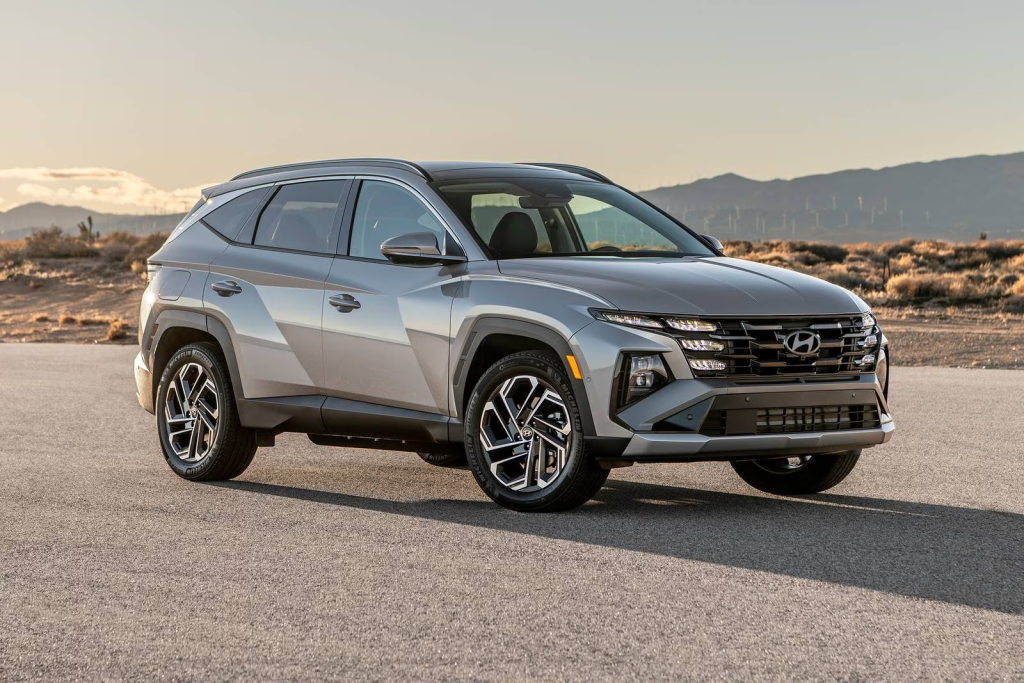
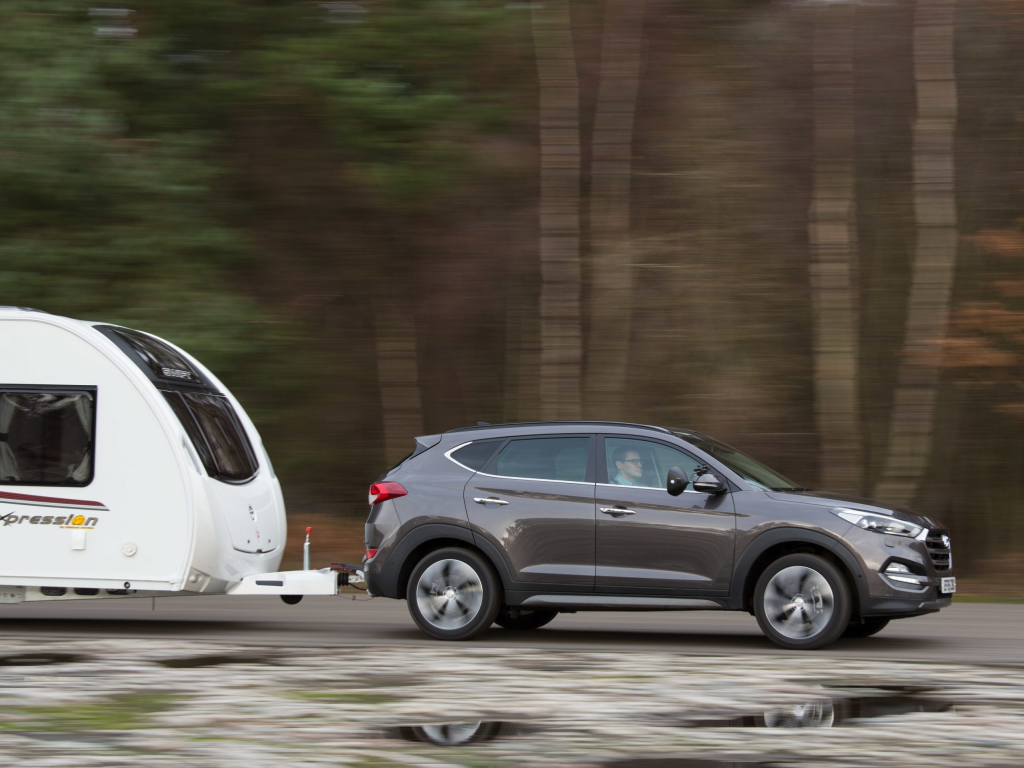
2025 Hyundai Tucson Plug-in Hybrid driving near Topeka KS with fuel-saving PHEV technology

Introduction

Fuel prices are one of those everyday expenses that never seem to stay predictable for long. One month they feel manageable, and the next month your commute, school drop-offs, errands, and weekend drives across Kansas start costing noticeably more. That is why more SUV shoppers are taking a serious look at plug-in hybrids like the 2025 Hyundai Tucson Plug-in Hybrid.

The Tucson PHEV is designed for drivers who want the flexibility of gasoline power but also want to complete many daily drives using electricity alone. According to Hyundai, the 2025 Tucson Plug-in Hybrid offers an EPA-estimated 32 miles of all-electric range and 77 combined MPGe when operating with electric power. Once the battery’s usable electric range is depleted, it continues operating like a traditional hybrid SUV.

For many Topeka drivers, that combination makes a lot of sense. If your daily commute is under 32 miles, or if most of your driving is local, you may be able to use little to no gasoline during the week. For longer drives to Kansas City, Manhattan, Lawrence, or Wichita, the gas engine is there when you need it.

If you are shopping for an efficient Hyundai SUV, you can browse current new Hyundai inventory, review available new vehicle specials, or schedule a test drive with McCarthy Hyundai of Topeka.

2025 Hyundai Tucson PHEV Fuel Savings at a Glance

The exact amount you can save depends on your driving habits. A plug-in hybrid rewards drivers who charge regularly. If you plug in at home and use electric range for short trips, your fuel use can drop dramatically. If you rarely charge, the Tucson PHEV still functions as a hybrid, but you will not see the same savings.

Model EPA Efficiency Estimate Best Use Case Fuel-Saving Advantage
2025 Hyundai Tucson Plug-in Hybrid 32-mile electric range, 77 combined MPGe, 35 MPG gas-only hybrid operation Drivers who can charge regularly and make frequent local trips Highest potential fuel savings
2025 Hyundai Tucson Hybrid Up to 38 MPG combined on select trims; other trims around 35 MPG combined Drivers who want efficiency without plugging in Strong fuel savings versus gas-only SUV
2025 Hyundai Tucson Gas AWD 24 city / 30 highway / 26 combined MPG Drivers who want lower upfront complexity and traditional fueling Simple ownership, but higher fuel use

Hyundai lists the 2025 Tucson gas AWD at an EPA-estimated 24 city, 30 highway, and 26 combined MPG. Hyundai also lists the 2025 Tucson Plug-in Hybrid with 32 miles of all-electric range and 77 combined MPGe. You can compare official efficiency details through Hyundai USA and the federal FuelEconomy.gov database.

What Is a Plug-in Hybrid SUV?

A plug-in hybrid electric vehicle, often called a PHEV, sits between a traditional hybrid and a fully electric vehicle. It has a gasoline engine, an electric motor, and a larger battery than a conventional hybrid. That battery can be charged from an outside power source, such as a home Level 2 charger or compatible public charger.

In normal driving, the Tucson PHEV can operate in electric mode for short trips. Once the battery’s electric range is used, the vehicle continues as a hybrid, blending gas and electric power to improve efficiency. This gives drivers two major advantages: electric driving for daily local use and gasoline flexibility for longer trips.

Why That Matters in Topeka

Topeka is the kind of place where a PHEV can be especially practical. Many daily routes are well within the Tucson PHEV’s electric range. A commute from residential areas into central Topeka, a grocery run, a school pickup, or a quick drive to restaurants and shopping may use little or no gas if the battery is charged.

At the same time, Kansas drivers often need flexibility. Weekend plans can mean highway miles, rural roads, lake trips, college visits, family travel, or longer drives across the state. With the Tucson PHEV, you do not have to rely only on charging infrastructure. You can plug in when it is convenient and use gasoline when the trip calls for it.

How Much Fuel Can You Actually Save?

Let’s use a simple example based on 15,000 miles of annual driving, which is a common benchmark used for fuel-cost comparisons. These are not guaranteed savings, but they show how the Tucson PHEV can reduce fuel use when charged regularly.

Scenario 1: You Rarely Charge the Tucson PHEV

If you rarely plug in, the Tucson PHEV operates mostly like a hybrid. In that case, its advantage over the gas-only Tucson still exists, but it is smaller than it could be.

  • Gas-only Tucson AWD at 26 MPG: about 577 gallons per 15,000 miles
  • Tucson PHEV operating mostly in hybrid mode at about 35 MPG: about 429 gallons per 15,000 miles
  • Estimated fuel saved: about 148 gallons per year

If regular gas averages $3.24 per gallon, that is roughly $480 in annual fuel savings compared with a gas-only Tucson AWD. Again, actual pricing changes by station, season, and market.

Scenario 2: You Charge Regularly and Drive 60% Electric

This is where the Tucson PHEV starts to show its real value. If 60% of your annual miles are completed in electric mode and the remaining 40% use hybrid gasoline operation, you could reduce gasoline use significantly.

  • Annual miles: 15,000
  • Electric miles: 9,000
  • Gas/hybrid miles: 6,000
  • Gas used at 35 MPG for hybrid miles: about 171 gallons
  • Fuel saved versus gas-only Tucson AWD: about 406 gallons per year

At $3.24 per gallon, saving about 406 gallons equals roughly $1,315 in avoided gasoline purchases before accounting for electricity cost. After adding home charging costs, many drivers could still save several hundred dollars per year compared with a gas-only compact SUV.

Scenario 3: Most Daily Driving Fits Within the Electric Range

If your regular driving is mostly local and you charge consistently, you may complete a large share of your annual miles on electricity. For example, if 12,000 of your 15,000 annual miles are electric and only 3,000 miles use gasoline, the Tucson PHEV may use only about 86 gallons of gas per year for the gasoline portion.

Compared with the gas-only Tucson AWD’s estimated 577 gallons per year, that is a difference of roughly 491 gallons. At $3.24 per gallon, that is nearly $1,590 in avoided gasoline before electricity costs. Electricity is not free, of course, but home charging can still be much less expensive per mile than gasoline in many situations.

Why Electric Range Changes Everything

The Tucson PHEV’s 32-mile electric range may not sound huge at first, especially compared with a fully electric vehicle. But for daily driving, 32 miles can cover a lot. According to the U.S. Department of Transportation’s National Household Travel Survey, many daily vehicle trips in the U.S. are relatively short. That is exactly where a plug-in hybrid can shine.

Think about your own driving patterns. How many of your daily drives are under 10 miles? How many are under 20? If you can charge at home overnight, you may start many mornings with a full electric range and use the gas engine only when your day runs longer than usual.

Charging the 2025 Tucson Plug-in Hybrid

The Tucson PHEV is most convenient when you can charge at home. A Level 2 home charging setup can refill the battery much faster than a standard household outlet, making overnight charging simple. For many owners, plugging in becomes as routine as charging a phone.

Home Charging Benefits

  • You can start many mornings with a full electric range
  • You reduce trips to the gas station
  • You may be able to charge during lower-cost electricity periods depending on your utility plan
  • You get the best fuel-saving benefit from the PHEV system

If you are considering a PHEV, it is worth reviewing your parking situation. A garage, driveway, or dedicated parking spot with charging access makes ownership much easier. Apartment and condo drivers may still make a PHEV work, but they should check local charging availability first.

Performance: Efficient Does Not Mean Slow

The 2025 Hyundai Tucson Plug-in Hybrid is not just about saving fuel. It is also one of the more powerful Tucson configurations. The turbocharged hybrid powertrain provides confident acceleration, and standard HTRAC all-wheel drive gives the SUV added traction in changing weather.

That matters for Kansas drivers. Rain, winter slush, gravel roads, and windy highway conditions can all make stability and traction feel more important. The Tucson PHEV gives you efficiency without stripping away the utility people expect from an SUV.

PHEV vs. Hybrid vs. Gas Tucson: Which One Fits You?

Choose the Tucson Plug-in Hybrid If:

  • You can charge at home or work
  • Your daily driving is often under 32 miles
  • You want to reduce gasoline use as much as possible
  • You like the idea of electric driving without full EV range anxiety
  • You want standard AWD and strong hybrid performance

Choose the Tucson Hybrid If:

  • You want better MPG but do not want to plug in
  • You park somewhere charging is not convenient
  • You want a simpler transition from a gas SUV
  • You drive a mix of city and highway miles

Choose the Gas Tucson If:

  • You want a lower starting price
  • You prefer traditional fueling
  • You do not drive enough miles to justify a hybrid or PHEV upgrade
  • You want a straightforward compact SUV with strong everyday practicality

Other Ways the Tucson PHEV Can Save Money

Fuel savings are the headline benefit, but they are not the only factor. A plug-in hybrid may also reduce engine wear during electric-only driving, because the gas engine is not running for every mile. Regenerative braking can help reduce some brake wear as well, though brake inspections remain important.

Depending on current federal rules, local incentives, and your tax situation, some electrified vehicles may qualify for incentives or credits. These rules change often, so shoppers should review current information through the IRS Clean Vehicle Tax Credits page and speak with a qualified tax professional before making assumptions.

If you want help comparing monthly payment options, trade-in value, and long-term cost, the team at our Hyundai finance center can walk you through available choices.

Keeping Your Tucson PHEV Efficient

To get the most from a plug-in hybrid, your habits matter. The Tucson PHEV rewards consistent charging and smooth driving. A few simple routines can help maximize savings:

  • Charge overnight whenever possible
  • Use preconditioning while plugged in to reduce battery drain before driving
  • Keep tires properly inflated
  • Stay current on scheduled maintenance
  • Drive smoothly and avoid unnecessary hard acceleration
  • Use regenerative braking effectively when conditions allow

Routine maintenance still matters on a PHEV. Oil changes, tire rotations, brake inspections, coolant checks, and software-related inspections help keep the SUV performing properly. You can schedule Hyundai service through our service center and check current service and parts specials before your visit.

Key Takeaways

  • The 2025 Hyundai Tucson Plug-in Hybrid offers an EPA-estimated 32 miles of all-electric range.
  • It is rated at 77 combined MPGe when using electric power.
  • When operating without electric charge, the Tucson PHEV functions like a hybrid SUV.
  • Drivers who charge regularly can save the most fuel.
  • Compared with a gas-only Tucson AWD, annual gasoline savings could range from modest to substantial depending on how many miles are driven electrically.
  • The Tucson Hybrid may be better for drivers who cannot plug in regularly.
  • The gas Tucson may suit shoppers who prioritize a lower starting price and traditional fueling.

Why Choose McCarthy Hyundai of Topeka?

Choosing between a gas, hybrid, and plug-in hybrid SUV is easier when you have a team that can explain the differences clearly. At McCarthy Hyundai of Topeka, we help Kansas drivers compare real-world ownership costs, available inventory, financing options, and day-to-day practicality.

Our dealership serves drivers throughout Topeka and the surrounding area with new Hyundai models, used vehicles, financing support, and factory-trained Hyundai service. Whether you are interested in the Tucson PHEV, Tucson Hybrid, gas-powered Tucson, or another Hyundai SUV, our team can help you find the right fit without making the process feel complicated.

Visit McCarthy Hyundai of Topeka at 2920 S Kansas Ave, Topeka, KS 66611, call (785) 267-2800, or learn more about our dealership on our About Us page.

Conclusion

The 2025 Hyundai Tucson Plug-in Hybrid can save a meaningful amount of fuel, especially for Topeka drivers who charge regularly and complete many daily trips within the SUV’s 32-mile electric range. If you plug in consistently, the Tucson PHEV can dramatically reduce gasoline use while still giving you the confidence of a gas engine for longer drives.

That said, the best Tucson for you depends on your lifestyle. The Tucson PHEV offers the highest fuel-saving potential. The Tucson Hybrid provides excellent efficiency without charging. The gas Tucson remains a practical choice for drivers who want a traditional compact SUV with a lower barrier to entry.

Ready to compare your options? Browse our new Hyundai inventory, view new vehicle specials, or schedule a test drive at McCarthy Hyundai of Topeka.

FAQs

How far can the 2025 Hyundai Tucson Plug-in Hybrid drive on electricity?

The 2025 Hyundai Tucson Plug-in Hybrid has an EPA-estimated 32 miles of all-electric range when the battery is fully charged.

What is the 2025 Tucson PHEV MPGe rating?

The 2025 Hyundai Tucson Plug-in Hybrid is rated at 77 combined MPGe when using electric power. MPGe is the EPA’s gasoline-equivalent efficiency measurement for electrified vehicles.

Does the Tucson PHEV save money if I do not charge it?

It can still operate like a hybrid, but you will miss the biggest fuel-saving benefit. The Tucson PHEV saves the most money when you charge regularly and use electric range for daily driving.

Is the Tucson PHEV better than the Tucson Hybrid?

The Tucson PHEV is better for drivers who can charge often and want electric-only driving for short trips. The Tucson Hybrid may be better for drivers who want strong MPG without plugging in.

Does the 2025 Hyundai Tucson Plug-in Hybrid have AWD?

Yes. The 2025 Hyundai Tucson Plug-in Hybrid comes with HTRAC all-wheel drive, giving drivers added traction and confidence in changing road conditions.

How much gas can I save with the Tucson PHEV?

Gas savings depend on how often you charge and how far you drive. Drivers who complete most daily trips on electricity can save hundreds of gallons of gasoline over several years compared with a gas-only Tucson AWD.

Where can I test drive a Hyundai Tucson in Topeka?

You can schedule a Hyundai Tucson test drive at McCarthy Hyundai of Topeka, located at 2920 S Kansas Ave, Topeka, KS 66611.
Brief Summary: Shopping for a used 2022 Hyundai Kona near Topeka? The Kona Electric delivers impressive efficiency, instant torque, and an EPA-estimated 258-mile range, while the gas-powered Kona offers lower upfront pricing, faster refueling, available all-wheel drive, and easier long-distance flexibility. Here is how to decide which version fits your driving habits, budget, and lifestyle.

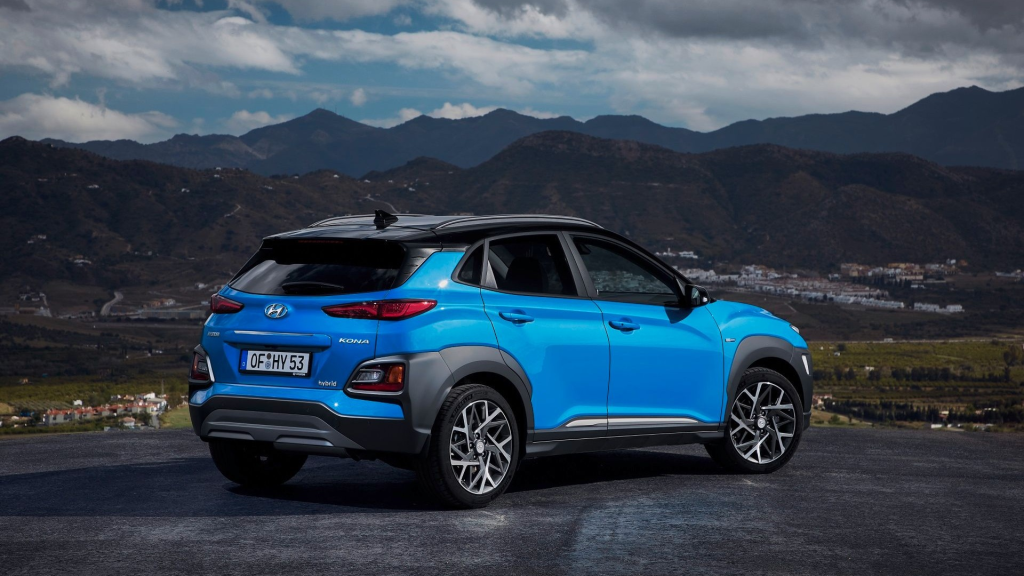
2022 Hyundai Kona Electric and gas Kona comparison for Topeka drivers

Introduction

The 2022 Hyundai Kona remains one of the more appealing small SUVs on the used market because it gives shoppers two very different ways to drive. You can choose the familiar gas-powered Kona, which offers practical fuel economy, available all-wheel drive, and simple road-trip convenience. Or you can look for the 2022 Hyundai Kona Electric, an all-electric SUV with strong acceleration, low day-to-day energy costs, and zero tailpipe emissions.

For drivers in Topeka, Lawrence, Manhattan, Emporia, and the surrounding Kansas communities, the right choice depends on how you use your vehicle. Do you mostly commute around town and have access to home charging? The Kona Electric could be a smart long-term choice. Do you regularly drive longer distances, park outside, or want available AWD for winter roads? The gas Kona may be the easier fit.

If you are comparing options now, you can browse current used Hyundai inventory, check Hyundai Certified Pre-Owned options, or schedule time behind the wheel through our online test drive form.

2022 Hyundai Kona EV vs. Gas: Quick Comparison

Category 2022 Hyundai Kona Electric 2022 Hyundai Kona Gas
Powertrain Electric motor with 64-kWh battery 2.0L 4-cylinder or available 1.6L turbo
Horsepower 201 hp 147 hp or 195 hp with turbo
Torque 291 lb-ft 132 lb-ft or 195 lb-ft with turbo
EPA Range / MPG 258 miles of electric range Up to about 30 MPG combined, depending on trim and drivetrain
Drivetrain Front-wheel drive Front-wheel drive or available all-wheel drive
Best For Commuters, home chargers, low operating costs Road trips, AWD shoppers, lower upfront cost

According to Hyundai’s official 2022 Kona release, the Kona Electric uses a 150-kW electric motor rated at 201 horsepower and 291 lb-ft of torque, while the gas Kona offered a 147-horsepower 2.0-liter engine and an available 195-horsepower turbocharged 1.6-liter engine. Hyundai also listed the Kona Electric with an estimated 258-mile driving range. You can review Hyundai’s original model details on the Hyundai Newsroom.

Why the 2022 Hyundai Kona Electric Makes Sense

Lower Daily Driving Costs

The biggest reason shoppers consider the 2022 Hyundai Kona Electric is simple: it can cost much less to drive day to day than a gas vehicle. Electricity pricing varies by utility, time of use, and charging location, but home charging is often significantly less expensive than paying for gasoline. If your daily routine includes commuting to work, school drop-offs, errands, and local appointments, the Kona Electric can turn those miles into meaningful savings over time.

The EPA’s FuelEconomy.gov tool is a helpful resource for comparing estimated annual fuel costs between gas and electric vehicles based on your local energy prices and driving habits.

Strong Acceleration and Instant Torque

One of the most enjoyable things about the Kona Electric is how quick it feels in normal driving. EVs deliver torque instantly, so the Kona Electric responds quickly when you pull away from a stoplight, merge onto I-70, or pass slower traffic. With 291 lb-ft of torque, it feels stronger than its compact size suggests.

That makes the Kona Electric especially appealing for drivers who want efficiency without giving up personality. It is quiet, smooth, and surprisingly energetic around town.

No Oil Changes

Electric vehicles still need maintenance, but they do not require engine oil changes, spark plugs, fuel filters, or many of the routine services associated with internal-combustion engines. You will still need tire rotations, brake inspections, cabin air filters, wiper blades, coolant checks, and general inspections, but EV maintenance can be simpler in several key areas.

Because EVs use regenerative braking, brake wear may also be reduced for many drivers, though brake service is still important. If you already own a Hyundai EV or are considering one, our Hyundai service center in Topeka can help with maintenance questions.

258 Miles of EPA-Estimated Range

The 2022 Kona Electric’s EPA-estimated 258-mile range is still competitive for a used EV. For many Topeka drivers, that is more than enough for several days of commuting before plugging in again. It can also handle many regional drives, though longer trips require more planning around charging stops.

Cold weather, highway speeds, heavy HVAC use, tire condition, and driving style can affect EV range, so it is best to think of 258 miles as an official estimate rather than a guarantee. Kansas winters and high-speed highway driving may reduce real-world range.

Why the 2022 Hyundai Kona Gas Model May Be the Better Fit

Lower Upfront Price

Used EVs can be excellent values, but the gas-powered Kona may still be easier to find at a lower purchase price, depending on mileage, trim, condition, and local availability. If your main goal is affordable transportation with SUV flexibility, a gas Kona deserves a close look.

To compare what is currently available, check our used vehicle inventory or ask our team about budget-friendly Hyundai options.

Available All-Wheel Drive

This is one of the most important differences: the 2022 Kona Electric was front-wheel drive, while the gas-powered Kona offered available all-wheel drive. For drivers who want extra traction during rain, snow, ice, gravel roads, or winter commutes around Topeka, available AWD can be a major deciding factor.

AWD does not replace good tires or careful driving, but it can improve confidence when road conditions change quickly.

Faster Refueling on Road Trips

If you often drive across Kansas, visit family out of state, or take spontaneous weekend trips, the gas Kona is more convenient. Refueling takes only a few minutes, and gas stations are easy to find almost anywhere.

The Kona Electric can road-trip, but it requires more planning. You will need to consider charger locations, charging speed, weather, and whether a charging station is available when you arrive. For some drivers, that is no problem. For others, the gas Kona’s simplicity is worth it.

Two Gas Engine Choices

The standard 2.0-liter gas engine is a practical choice for daily driving, offering solid efficiency and predictable performance. The available 1.6-liter turbocharged engine brings more power, making the Kona feel more responsive and enjoyable. If you like the Kona’s size but want a livelier drive, the turbo gas model is worth considering.

Cost of Ownership: EV vs. Gas Kona

When comparing the 2022 Kona Electric and gas Kona, do not focus only on purchase price. Think about total cost of ownership, including fuel or electricity, maintenance, insurance, tires, financing, and resale value.

Potential EV Savings

  • Lower energy cost per mile when charging at home
  • No gasoline purchases
  • No engine oil changes
  • Fewer traditional engine-related maintenance items
  • Quiet, smooth daily driving

Potential Gas Kona Advantages

  • Often lower upfront purchase price
  • Available all-wheel drive
  • Faster refueling
  • No need for home charging access
  • More familiar ownership experience

Financing can also influence the decision. If you are comparing payments on a used Kona Electric, gas Kona, or another Hyundai SUV, our Hyundai finance center can help you explore options.

What About EV Tax Credits?

EV incentives have changed significantly since the 2022 Kona was new. Some older articles mention federal or provincial incentives that may no longer apply, especially because many earlier posts were written for Canadian shoppers.

For U.S. buyers in 2026, eligibility can depend on the vehicle, purchase date, dealer reporting, buyer income, sale price, and current federal rules. Before assuming a used EV qualifies for any credit, check the latest guidance from the IRS Clean Vehicle Tax Credits page and confirm details with a tax professional. Incentive rules change, and your personal tax situation matters.

Charging a 2022 Hyundai Kona Electric at Home

Home charging is where the Kona Electric becomes most convenient. Most EV owners prefer Level 2 charging, which uses a 240-volt setup and can recharge the Kona Electric overnight. Hyundai originally estimated Level 2 charging from 10% to 100% at around nine hours and 15 minutes.

If you only drive 30 to 50 miles per day, you may not need to charge from empty very often. Many EV owners simply plug in a few nights a week and start each morning with plenty of range.

Public Charging Considerations

The Kona Electric also supports DC fast charging. Hyundai noted that the 2022 Kona Electric could charge from 10% to 80% in approximately 47 minutes under suitable Level 3 fast-charging conditions. Actual charging speed depends on charger output, battery temperature, state of charge, and weather.

Before buying a used EV, it is smart to check charging availability near your home, workplace, and regular travel routes. If you do not have reliable home charging, the gas Kona may be a better fit.

Which 2022 Hyundai Kona Is Best for Topeka Drivers?

Choose the 2022 Kona Electric If:

  • You can charge at home or have reliable charging access
  • Your driving is mostly local or regional
  • You want lower day-to-day energy costs
  • You prefer quiet acceleration and instant torque
  • You do not need all-wheel drive
  • You want to reduce gasoline use and tailpipe emissions

Choose the 2022 Kona Gas If:

  • You want available all-wheel drive
  • You frequently take long road trips
  • You do not have easy access to charging
  • You want a potentially lower upfront price
  • You prefer quick refueling
  • You want a familiar maintenance and ownership routine

Key Takeaways

  • The 2022 Hyundai Kona Electric offers an EPA-estimated 258-mile range and strong 201-horsepower performance.
  • The gas-powered 2022 Kona offers available AWD, quick refueling, and two engine options.
  • The Kona Electric is ideal for commuters with home charging access.
  • The gas Kona is better for drivers who road-trip often or want extra traction in winter.
  • Used EV incentive rules have changed, so always verify current eligibility before buying.
  • The best choice depends on your driving habits, budget, charging access, and comfort with EV ownership.

Why Choose McCarthy Hyundai of Topeka?

Choosing between a used Hyundai Kona Electric and a gas-powered Kona is easier when you have a knowledgeable local team helping you compare real vehicles, real prices, and real ownership needs. At McCarthy Hyundai of Topeka, we work with drivers across Topeka and Northeast Kansas to find Hyundai models that fit their lifestyle, budget, and long-term goals.

Our team can help you compare used Kona availability, explain EV charging considerations, review gas and electric ownership costs, and walk you through financing options. We also offer a professional Hyundai service department for ongoing maintenance, from tire rotations and brake inspections to EV-related service questions.

Visit us at 2920 S Kansas Ave, Topeka, KS 66611, call (785) 267-2800, or learn more about our dealership on our About Us page. You can also explore new Hyundai inventory, browse used vehicles, or view current new vehicle specials.

Conclusion

So, should you buy the 2022 Hyundai Kona Electric or the gas model? If you want lower daily operating costs, smooth acceleration, and have dependable charging access, the Kona Electric is a compelling used SUV. Its 258-mile EPA-estimated range, strong torque, and reduced routine maintenance needs make it a smart choice for many commuters.

If you want available all-wheel drive, quick refueling, lower upfront cost, and easier long-distance travel, the gas-powered Kona may be the better match. It still delivers the compact size, useful hatchback cargo area, and modern Hyundai features that make the Kona so popular.

The best next step is to compare actual vehicles side by side. Browse our used Hyundai inventory or schedule a test drive with McCarthy Hyundai of Topeka today.

FAQs

How far can a 2022 Hyundai Kona Electric drive on a full charge?

The 2022 Hyundai Kona Electric has an EPA-estimated driving range of 258 miles. Real-world range can vary based on temperature, speed, terrain, battery condition, and driving habits.

Does the 2022 Hyundai Kona Electric have all-wheel drive?

No. The 2022 Hyundai Kona Electric is front-wheel drive. If you want available all-wheel drive, consider a gas-powered 2022 Hyundai Kona.

Is the 2022 Hyundai Kona Electric cheaper to maintain than the gas model?

It can be. The Kona Electric does not need oil changes and has fewer traditional engine components. However, it still needs tires, brakes, filters, coolant checks, inspections, and other routine maintenance.

How long does it take to charge a 2022 Hyundai Kona Electric?

Hyundai estimated that Level 2 charging from 10% to 100% takes about nine hours and 15 minutes. DC fast charging from 10% to 80% can take about 47 minutes under suitable conditions.

Is the gas-powered 2022 Hyundai Kona good on fuel?

Yes. The 2022 Hyundai Kona gas model offers strong fuel economy for a small SUV, with EPA estimates varying by engine, trim, and drivetrain. Some configurations reach about 30 MPG combined.

Which 2022 Hyundai Kona is better for road trips?

The gas-powered Kona is generally easier for road trips because refueling is faster and gas stations are widely available. The Kona Electric can road-trip too, but it requires more charging planning.

Can I buy a used Hyundai Kona at McCarthy Hyundai of Topeka?

Inventory changes often, but McCarthy Hyundai of Topeka carries a rotating selection of used Hyundai models. Browse the used inventory online or contact the dealership for current Kona availability.

Brief Summary / Excerpt: The 2026 Hyundai Tucson offers improved light-duty towing capability for gas models, plus efficient hybrid and plug-in hybrid options for drivers who want SUV versatility. According to Hyundai USA, gas-powered 2026 Tucson models can tow up to 2,750 pounds with trailer brakes, while Tucson Hybrid and Plug-in Hybrid models can tow up to 2,000 pounds with trailer brakes.

2026 Hyundai Tucson towing a small utility trailer near Topeka KS

Introduction

The 2026 Hyundai Tucson is one of the most versatile compact SUVs in the Hyundai lineup. It is comfortable enough for daily commuting, spacious enough for family errands, efficient enough for regular driving around Topeka, and capable enough for light towing when properly equipped.

If you are planning to tow a small utility trailer, cargo trailer, kayak trailer, compact camping trailer, or weekend gear, it is important to understand what the Tucson can safely handle. Towing capacity depends on the powertrain, drivetrain, trailer brakes, hitch equipment, passenger load, cargo weight, and how the trailer is loaded.

For 2026, Hyundai USA lists the gas-powered Tucson with a higher braked towing rating than the 2025 model. According to Hyundai’s official 2026 Tucson specifications, gas models can tow up to 2,750 pounds with trailer brakes and up to 1,650 pounds without trailer brakes. Hyundai’s official hybrid and plug-in hybrid specifications list those models at up to 2,000 pounds with trailer brakes and up to 1,650 pounds without trailer brakes.

If you are comparing Tucson trims or want help choosing the right Hyundai SUV for your towing needs, browse new Hyundai vehicles in Topeka or schedule a Hyundai test drive at McCarthy Hyundai of Topeka.

How Much Can the 2026 Hyundai Tucson Tow?

The 2026 Tucson towing rating depends on which powertrain you choose. Gas-powered models offer the highest towing capacity, while hybrid and plug-in hybrid models trade some towing capacity for stronger fuel efficiency and standard electrified performance.

2026 Hyundai Tucson Powertrain Drivetrain Availability Towing With Trailer Brakes Towing Without Trailer Brakes
2.5L Gasoline FWD or available HTRAC AWD Up to 2,750 lbs Up to 1,650 lbs
1.6L Turbo Hybrid Standard HTRAC AWD Up to 2,000 lbs Up to 1,650 lbs
1.6L Turbo Plug-in Hybrid Standard HTRAC AWD Up to 2,000 lbs Up to 1,650 lbs

These ratings apply when the vehicle is properly equipped. Always confirm the towing rating for the exact Tucson trim, hitch, trailer, and equipment you plan to use before towing.

What Changed for the 2026 Tucson?

The biggest towing-related update for 2026 is that gas-powered Tucson models now offer a higher towing rating than the previous U.S.-market 2025 Tucson. The 2025 U.S. Tucson was listed at up to 2,000 pounds with trailer brakes, while Hyundai USA now lists the 2026 gas Tucson at up to 2,750 pounds with trailer brakes.

Hybrid and plug-in hybrid models remain rated at up to 2,000 pounds with trailer brakes. That means the gas-powered Tucson is the better choice if maximum towing is your top priority, while the Tucson Hybrid and Plug-in Hybrid are better choices if you want standard HTRAC all-wheel drive, strong fuel economy, and light towing capability.

What Can a 2026 Hyundai Tucson Tow?

A 2,750-pound braked towing rating on gas Tucson models gives drivers more flexibility for light-duty towing. It is still not a replacement for a midsize or full-size truck, but it can handle many small trailers when properly equipped.

Possible Towing Uses for the Gas Tucson

  • Small utility trailer
  • Light cargo trailer
  • Small landscaping trailer
  • Kayak or canoe trailer
  • Small motorcycle trailer
  • Light camping trailer within weight limits
  • Small moving trailer, carefully loaded

Possible Towing Uses for Tucson Hybrid and Plug-in Hybrid

  • Small utility trailer
  • Light cargo trailer
  • Small watercraft trailer
  • Bike or outdoor gear trailer
  • Light-duty weekend hauling

Remember that trailer weight means the loaded trailer weight, not just the empty trailer weight. Cargo, water, fuel, tools, coolers, camping supplies, and accessories all count.

Braked vs. Unbraked Towing

The difference between braked and unbraked towing is important. A braked trailer has its own braking system that helps slow the trailer. An unbraked trailer depends on the vehicle’s brakes alone.

For the 2026 Tucson, the higher towing ratings require trailer brakes. Without trailer brakes, Hyundai USA lists the towing limit at 1,650 pounds. This matters because towing is not just about pulling weight. It is also about stopping, turning, stability, and control.

Which 2026 Tucson Is Best for Towing?

Choose the Gas Tucson If You Want Maximum Towing

If towing capacity is your main priority, the gas-powered 2026 Tucson is the strongest option in the lineup. Its 2.5L 4-cylinder engine produces 187 horsepower and 178 lb-ft of torque, and Hyundai lists gas models at up to 2,750 pounds with trailer brakes.

Choose the Tucson Hybrid If You Want Efficiency and Light Towing

The Tucson Hybrid is a great fit for drivers who want better fuel efficiency, standard HTRAC all-wheel drive, and enough towing capacity for lighter trailers. Hyundai lists the 2026 Tucson Hybrid at up to 2,000 pounds with trailer brakes.

Choose the Tucson Plug-in Hybrid If You Want Electric Driving Flexibility

The Tucson Plug-in Hybrid offers the ability to drive short distances on electric power when charged, while still keeping gas-engine flexibility for longer trips. Hyundai lists the 2026 Tucson Plug-in Hybrid at up to 2,000 pounds with trailer brakes.

Safe Towing Tips for Tucson Drivers

Even light towing requires preparation. Before towing with your Tucson, confirm that your vehicle, hitch, wiring, trailer brakes, tires, and load are ready.

  • Use towing equipment rated for your trailer weight.
  • Confirm trailer brakes are working if towing above the unbraked limit.
  • Check vehicle and trailer tire pressure before departure.
  • Keep heavier cargo low and centered over the trailer axle.
  • Secure all cargo so it cannot shift.
  • Leave extra following distance.
  • Brake earlier and accelerate gradually.
  • Use extra caution in wind, rain, snow, or heavy traffic.

The National Highway Traffic Safety Administration offers helpful general towing guidance through its trailer safety resources.

Pre-Towing Checklist

Check What to Confirm Why It Matters
Loaded Trailer Weight Trailer and cargo stay within Tucson limits Prevents overloading
Trailer Brakes Required for higher towing rating Improves stopping control
Hitch Rating Hitch matches vehicle and trailer needs Protects the connection point
Wiring Brake lights and turn signals work Improves visibility to other drivers
Tire Pressure Vehicle and trailer tires are properly inflated Supports handling and tire safety
Load Balance Cargo is centered and secured Helps reduce sway

Schedule Tucson Service or Shop Hyundai SUVs in Topeka

If you already own a Tucson and plan to tow, a pre-trip inspection can help confirm your tires, brakes, fluids, lights, and towing equipment are ready. If you are shopping for a Tucson, McCarthy Hyundai of Topeka can help you compare gas, hybrid, and plug-in hybrid models.

Key Takeaways

  • The 2026 Hyundai Tucson gas model can tow up to 2,750 pounds with trailer brakes.
  • The 2026 Tucson Hybrid and Plug-in Hybrid can tow up to 2,000 pounds with trailer brakes.
  • Without trailer brakes, Hyundai USA lists Tucson towing capacity at up to 1,650 pounds.
  • The gas Tucson is the best choice if maximum towing is your top priority.
  • The Tucson Hybrid and Plug-in Hybrid are better choices for efficiency plus light towing.
  • Always confirm loaded trailer weight, hitch rating, wiring, trailer brakes, tongue weight, and vehicle payload before towing.

Why Choose McCarthy Hyundai of Topeka?

When towing capability matters, accurate information matters too. McCarthy Hyundai of Topeka helps local drivers compare Hyundai SUVs, understand trim differences, review towing-related equipment, and choose the right vehicle for daily driving, family use, and weekend plans.

Located at 2920 S Kansas Ave, Topeka, KS 66611, McCarthy Hyundai of Topeka serves drivers throughout Topeka and northeast Kansas with new Hyundai vehicles, used vehicles, certified pre-owned options, financing resources, and service after the sale.

Drivers choose McCarthy Hyundai of Topeka for:

  • Helpful Hyundai product knowledge
  • New, used, and certified pre-owned Hyundai options
  • Convenient test-drive scheduling
  • Service support for towing preparation and maintenance
  • Financing resources for different budgets
  • A local team focused on customer care

Learn more about McCarthy Hyundai of Topeka, browse new Hyundai inventory, or schedule a Hyundai test drive.

Conclusion

The 2026 Hyundai Tucson is a practical compact SUV for drivers who want everyday comfort and useful light-duty towing capability. Gas-powered Tucson models offer the strongest towing rating in the lineup at up to 2,750 pounds with trailer brakes, while Tucson Hybrid and Plug-in Hybrid models provide up to 2,000 pounds with trailer brakes plus added efficiency benefits.

For small trailers, weekend gear, light utility hauling, and carefully matched recreational loads, the Tucson can be a smart choice. If you need to tow heavier trailers, a larger Hyundai SUV or a more towing-focused vehicle may be a better fit.

To compare 2026 Tucson models or prepare your Hyundai for towing, contact McCarthy Hyundai of Topeka at (785) 267-2800, browse current new Hyundai vehicles in Topeka, or schedule service through the McCarthy Hyundai of Topeka service center.

Frequently Asked Questions

How much can the 2026 Hyundai Tucson tow?

The 2026 Hyundai Tucson gas model can tow up to 2,750 pounds with trailer brakes. Tucson Hybrid and Plug-in Hybrid models can tow up to 2,000 pounds with trailer brakes.

How much can the 2026 Hyundai Tucson tow without trailer brakes?

Hyundai USA lists the 2026 Tucson towing capacity without trailer brakes at up to 1,650 pounds.

Which 2026 Tucson is best for towing?

The gas-powered 2026 Tucson is best for maximum towing because it is rated up to 2,750 pounds with trailer brakes.

Can the 2026 Tucson Hybrid tow?

Yes. Hyundai USA lists the 2026 Tucson Hybrid at up to 2,000 pounds with trailer brakes and up to 1,650 pounds without trailer brakes.

Can the 2026 Tucson Plug-in Hybrid tow?

Yes. Hyundai USA lists the 2026 Tucson Plug-in Hybrid at up to 2,000 pounds with trailer brakes and up to 1,650 pounds without trailer brakes.

Where can I test drive a 2026 Hyundai Tucson in Topeka?

You can schedule a 2026 Hyundai Tucson test drive through McCarthy Hyundai of Topeka.

Summary: Should you buy new or used? It is one of the most common car-buying questions, and the honest answer is: it depends. Both can be the right decision depending on your budget, priorities, and the specific vehicle you are considering. At McCarthy Hyundai of Lawrence, we help Lawrence and northeast Kansas drivers think through both options clearly, and this month we have some genuinely compelling reasons to take a serious look at new, because the current Hyundai incentive calendar for May 2026 includes 0% APR financing on the Tucson and IONIQ 5 alongside meaningful cash offers across the lineup.

New and used Hyundai vehicles at McCarthy Hyundai of Lawrence KS

The Core Question: What Makes New Worth the Premium?

A new car costs more. That is the simple truth. The average new car price in early 2026 sits near $48,000 to $50,000, versus approximately $25,000 for a used vehicle. On those numbers alone, used looks like the obvious choice for budget-conscious buyers.

But price is only one variable in the total ownership equation. Several factors can shift that calculation significantly:

  • Manufacturer incentives: When Hyundai is offering 0% APR on a new Tucson, the interest cost difference between new and used largely disappears. At 0% interest, you are paying exactly the purchase price and nothing more over the loan term. A used car financed at 7% to 9% through a bank can cost several thousand dollars more in total interest even if the sticker price is lower.
  • Warranty protection: A new Hyundai’s 10-year/100,000-mile powertrain warranty eliminates most repair risk for the first decade of ownership. A used car with 40,000 miles may have only two to three years of powertrain warranty remaining.
  • Depreciation already absorbed: When you buy used, the first owner absorbed the steepest depreciation. But when you buy new at 0% APR during a strong incentive period, the manufacturer is effectively compensating for that depreciation through the interest savings.

The honest framework: new makes the most financial sense when promotional rates are strong and the warranty value is high. Used makes the most financial sense when interest rates are elevated and the specific vehicle has a documented service history. Right now in May 2026, several new Hyundai models have promotional rates so favorable that they change the traditional new-versus-used calculus considerably.

May 2026 Hyundai Incentives: The Numbers That Change the Conversation

Hyundai Motor Finance releases updated incentives monthly, and May 2026 has some of the strongest promotional offers we have seen on several key models. Here is an accurate breakdown of the current offers, verified as of May 15, 2026. All offers require well-qualified credit through Hyundai Motor Finance and are subject to change. Contact our finance team or check our current specials page for the most current availability in the Lawrence, KS market.

Finance Offers: 0% and Low APR Deals

Model Finance Rate Term Additional Offer
2026 Hyundai IONIQ 5 0% APR 72 months $3,000 HMF Bonus Cash when financing through HMF
2026 Hyundai IONIQ 9 0% APR 72 months Up to $10,000 total savings available
2026 Hyundai Tucson (gas) 0% APR 60 months 90-day deferred first payment option available
2026 Hyundai Tucson Hybrid 0.99% APR 60 months Industry-leading 38 mpg combined efficiency
2026 Hyundai Santa Fe (gas) 3.99% APR 60 months Up to $2,750 Retail Bonus Cash available
2026 Hyundai Santa Fe Hybrid 0.99% APR 60 months AWD standard on all hybrid trims
2026 Hyundai Palisade 3.99% APR 60 months Up to $3,000 total savings on select trims
2026 Hyundai Elantra Limited 2.99% APR 60 months Up to $2,000 total savings available
2025 Hyundai IONIQ 6 0% APR 60 months Available while 2025 inventory lasts

Lease Offers: May 2026 Monthly Payments

Model Monthly Payment Term Due at Signing
2026 Hyundai Elantra SE From $247/month 36 months $2,000 due at signing
2026 Hyundai Kona SE FWD From $209/month 36 months $3,999 due at signing
2026 Hyundai Tucson SE From $259/month 36 months $3,999 due at signing
2026 Hyundai Tucson Hybrid Blue From $289/month 36 months $3,999 due at signing
2026 Hyundai Santa Fe Hybrid SE From $379/month 36 months $3,999 due at signing
2026 Hyundai Palisade SE From $369/month 36 months $3,999 due at signing
2026 Hyundai Palisade Hybrid SEL From $479/month 36 months $3,999 due at signing
2026 Hyundai IONIQ 5 SE From $311/month 36 months $2,000 due at signing
2026 Hyundai IONIQ 9 S From $419/month 36 months $4,999 due at signing
2026 Hyundai Sonata Hybrid Blue From $319/month 36 months $3,499 due at signing

All offers shown are for well-qualified lessees and buyers through Hyundai Motor Finance. Payments based on the models and trim levels indicated. Actual payments may vary based on your credit profile, down payment, and applicable taxes and fees. Lease payments assume 12,000 miles per year. Excess mileage charges apply. Offers are for the current incentive period and subject to change. Check our specials page and contact our finance team for live availability in the Lawrence, KS market.

What 0% APR Actually Means for Your Wallet

The impact of a 0% APR offer is more significant than many buyers initially appreciate. Here is a concrete example using the 2026 Hyundai Tucson at 0% for 60 months:

A 2026 Tucson SE with a $31,000 financed amount at 0% APR over 60 months costs exactly $516.67 per month with $0 in total interest paid. The same amount financed at the national average auto loan rate of 6.8% APR costs approximately $608 per month and $5,480 in total interest over the same term.

That means the 0% offer on a Tucson saves approximately $5,480 in financing cost compared to taking a standard market rate loan. On a $31,000 vehicle, that is an effective 17.7% discount on the total cost of the transaction. A used Tucson priced at $24,000 financed at 8% APR would cost approximately $29,500 in total over 60 months. The 0% new Tucson at $31,000 costs exactly $31,000. The gap is real but smaller than the sticker prices suggest.

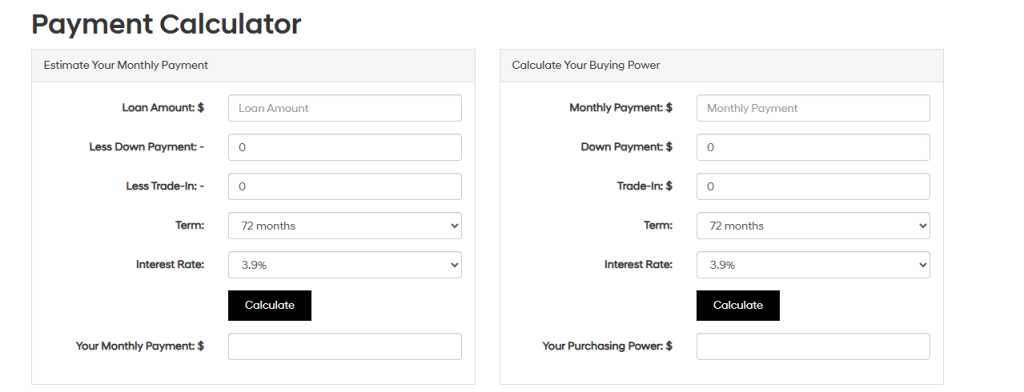
This math does not make new always better than used. But it does illustrate why checking current incentives before assuming used is the more affordable path is always worth doing. Use our payment calculator to run your specific numbers.

Pros and Cons of Buying New: The Complete Picture

Why New Makes Sense

  • Industry-leading warranty protection: Hyundai’s 5-year/60,000-mile bumper-to-bumper and 10-year/100,000-mile powertrain warranty come fully intact on every new vehicle. For a first-time buyer or anyone who wants maximum peace of mind, this matters significantly.
  • Latest safety technology: Every current Hyundai model includes the full SmartSense suite of advanced driver assistance systems as standard. Older used models may have significantly less comprehensive safety technology.
  • Promotional financing: As detailed above, 0% or near-0% APR offers during strong incentive periods dramatically reduce the total cost of a new vehicle purchase.
  • No prior ownership history concerns: You know exactly how the vehicle has been maintained because you are the first owner.
  • Full customization: You can often order specific color, trim, and option combinations rather than settling for what is in stock, though this adds delivery time.
  • Lower insurance complexity: New vehicle GAP coverage and insurance requirements are straightforward and well-understood.

Where New Has Real Drawbacks

  • First-year depreciation: Most new vehicles lose 15 to 20 percent of their value in the first year. If you need to sell or trade in within 12 to 18 months of purchase, you may owe more than the vehicle is worth unless you put a substantial down payment down.
  • Higher sales tax: Because the purchase price is higher, you pay more in Kansas sales tax. Lawrence’s combined tax rate is approximately 9.05%, meaning a $45,000 new vehicle generates approximately $4,073 in sales tax versus approximately $2,263 on a $25,000 used vehicle.
  • Higher insurance premiums: Comprehensive and collision coverage on a new vehicle generally cost more than on an older used vehicle due to higher replacement values.

Pros and Cons of Buying Used: The Complete Picture

Why Used Makes Sense

  • Lower purchase price and depreciation absorbed: The steepest depreciation in a vehicle’s life occurs in its first one to three years. When you buy a three-year-old Hyundai Tucson, someone else absorbed that initial value drop and you benefit from it.
  • Lower sales tax: Paying taxes on a $23,000 used vehicle rather than a $33,000 new one is a meaningful real-dollar savings that compounds the sticker price advantage.
  • Lower insurance premiums: Older vehicles generally cost less to insure due to lower replacement values.
  • More vehicle per dollar: A budget that stretches to a mid-trim used Palisade might only cover a base trim new Tucson. If space or features matter to you, used gives you more options at your price point.

Where Used Has Real Limitations

  • Unknown maintenance history: Even with a vehicle history report, you do not know how the previous owner drove the car, how often oil changes were done on time, or what small issues were ignored.
  • Higher financing rates: Used car loans typically carry higher interest rates than new car loans. The national average APR for used vehicles runs 8 to 11%, meaning the sticker price advantage erodes with every month of the loan term.
  • Potentially outdated safety features: A 2020 or 2021 Hyundai has good safety technology, but it may lack the latest versions of forward collision detection, blind spot monitoring, and driver attention systems available on current models.
  • Limited or no remaining warranty: A used Hyundai outside the CPO program may have little or no powertrain warranty remaining, meaning an unexpected engine or transmission issue is fully out-of-pocket.

The Hyundai CPO Middle Ground: Worth Understanding

For many Lawrence drivers, a Hyundai Certified Pre-Owned vehicle threads the needle between new and standard used effectively. Every CPO Hyundai passes a 173-point factory inspection, comes with a reinstated 10-year/100,000-mile powertrain warranty from the original in-service date, 10-year unlimited mileage roadside assistance, and a CARFAX vehicle history report. Eligibility requires the vehicle be six model years old or newer with fewer than 80,000 miles and a clean title.

CPO vehicles at McCarthy typically cost significantly less than their new equivalents while providing meaningful warranty protection. Browse our current CPO inventory to see what is currently available and use our payment calculator to compare a CPO option against a new vehicle with current incentives. Side by side, the right choice often becomes obvious.

How to Decide: A Practical Framework for Lawrence Buyers

Rather than a universal answer, here is a decision framework based on your specific situation:

Your Situation Lean Toward Reason
Strong credit, 0% APR available on the model you want New Interest savings close the price gap significantly
Tight budget, need maximum vehicle per dollar Used or CPO Lower purchase price and depreciation advantage
First-time buyer, want peace of mind New or CPO Full or reinstated warranty eliminates repair uncertainty
Fair credit, higher financing rates expected CPO or used Lower financed amount reduces impact of higher rate
Plan to keep vehicle 8 or more years New Full warranty protection through most of the ownership period
Plan to trade in within 3 to 4 years Lease or used Avoids negative equity risk from depreciation cycle
Want latest ADAS technology and EV capability New Current models have significantly more advanced systems than 2020 to 2022 used

Key Takeaways: New vs. Used in May 2026

  • ✅ The 2026 Hyundai Tucson is currently available at 0% APR for 60 months with a 90-day payment deferral option. On a $31,000 financed amount, this saves approximately $5,480 in interest versus the average market rate.
  • ✅ The 2026 IONIQ 5 is at 0% APR for 72 months plus $3,000 in HMF Bonus Cash. The IONIQ 9 offers the same 0% rate with up to $10,000 in total savings.
  • ✅ Lease payments on the 2026 Elantra start from $247/month and on the IONIQ 5 from $311/month with $2,000 due at signing.
  • ✅ When strong promotional rates are available, the total cost difference between new and used narrows considerably compared to a standard-rate loan.
  • ✅ Hyundai CPO offers a reinstated 10-year warranty and 173-point inspection at a meaningfully lower price than new.
  • ✅ Always compare the total cost including interest, not just sticker prices, when deciding between new and used. Use our payment calculator for your specific numbers.

Why Choose McCarthy Hyundai of Lawrence?

Whether you are leaning toward a new Hyundai with current promotional rates, a CPO with warranty protection, or a standard used vehicle with maximum value, McCarthy Hyundai of Lawrence has the inventory and the team to help you make the right call:

  • All three options in stock: New, CPO, and standard used Hyundai vehicles across all price points and models. Browse new, certified pre-owned, and used inventory online before you visit.
  • Current incentives always available: Our specials page and manufacturer incentives page are updated monthly with Hyundai’s current offers for the Lawrence market.
  • Transparent Finance Team: We work with Hyundai Motor Finance and multiple lending partners to match you with the best available rate for your credit profile. Get pre-approved online before you visit.
  • Free Tools Available 24/7: Payment calculator, trade-in valuation, and buying power estimator are all free and require no personal information to use.
  • 4.5-Star Google Rating with Nearly 1,500 Reviews: Honest, no-pressure guidance that Lawrence drivers have trusted for years.
  • Right Here in Lawrence: Located at 2829 Iowa St, Lawrence, KS 66047. Call us at (785) 838-2327.

Conclusion: The Best Time to Buy Is When the Numbers Work for You

New versus used is not a question with a permanent right answer. It is a question with a right answer for your specific budget, credit profile, and vehicle needs at this specific moment in time. In May 2026, with 0% APR available on the Tucson and IONIQ 5, and near-zero rates on the Santa Fe Hybrid and Tucson Hybrid, that specific moment is a genuinely favorable one for new Hyundai buyers with strong credit. For buyers where budget is the primary constraint, CPO and used Hyundai options offer strong value at every price point.

Come see us at McCarthy Hyundai of Lawrence and we will help you run the real numbers on all three options so you can make the decision that is genuinely right for your situation.

💰 Calculate your payment | Get pre-approved | See current specials
📍 Visit us: 2829 Iowa St, Lawrence, KS 66047
📞 Call us: (785) 838-2327

Frequently Asked Questions: New vs. Used Hyundai in Lawrence, KS

Is it better to buy a new or used Hyundai right now?

In May 2026, with 0% APR available on the 2026 Tucson and IONIQ 5, and near-zero rates on several hybrid models, the total cost of a new Hyundai is closer to a comparably equipped used vehicle than the sticker price suggests. For buyers with strong credit who qualify for promotional rates, new is more competitive than usual right now. For buyers with budget constraints or credit challenges, CPO or used vehicles offer the better value equation.

What are Hyundai’s current finance rates for May 2026?

Current highlights for May 2026 include 0% APR for 72 months on the IONIQ 5 and IONIQ 9, 0% APR for 60 months on the gas Tucson with a 90-day payment deferral option, 0.99% APR for 60 months on the Tucson Hybrid and Santa Fe Hybrid, and 3.99% APR for 60 months on the Palisade and gas Santa Fe. All offers are for well-qualified buyers through Hyundai Motor Finance. Contact our finance team or check our specials page for live details.

What is a Hyundai Certified Pre-Owned vehicle and how does it compare to new?

A Hyundai CPO vehicle must be no more than six model years old with fewer than 80,000 miles and a clean title. It passes a 173-point factory inspection and comes with a reinstated 10-year/100,000-mile powertrain warranty, 10-year unlimited mileage roadside assistance, and a CARFAX history report. It costs significantly less than new while providing more warranty protection than a standard used vehicle. Browse our current CPO inventory to see available options.

How much does a new car depreciate in the first year?

Most new vehicles lose approximately 15 to 20 percent of their value in the first year of ownership. This front-loaded depreciation is the primary reason used vehicles cost less. However, when 0% APR financing is available on a new vehicle, the interest savings partially or fully offset this depreciation effect when comparing total costs over the loan term.

Can I use the Hyundai College Grad program with current incentives?

The Hyundai College Graduate Program provides a $400 bonus that can be combined with most current incentives when financing or leasing through Hyundai Motor Finance. Recent graduates from an accredited U.S. college or university within the past two years, or those graduating within the next six months with confirmed employment, may qualify. Ask our finance team for current eligibility details.

Summary: Buying your first car is one of the most significant financial decisions most people make before buying a home. The stakes are real: the average new car payment hit a record $767 per month in the fourth quarter of 2025, and the average new car price now sits near $50,000. Even used cars average over $25,000. Navigating this market confidently requires more preparation than most first-timers realize. At McCarthy Hyundai of Lawrence, this guide walks through every step of the process with accurate 2026 numbers and honest, practical advice for Lawrence and northeast Kansas buyers.

First-time car buyer getting keys at McCarthy Hyundai of Lawrence KS

Step 1: Calculate What You Can Actually Afford

This is the step most first-time buyers rush past in their excitement to start looking at cars, and it is the one that causes the most financial stress later. The monthly payment you agree to on signing day follows you for 48 to 72 months. Getting it right matters more than any specific feature or trim level.

The Real Numbers in 2026

Here is the current market reality as of early 2026, based on data from LendingTree and Kelley Blue Book:

  • Average new car price: approximately $48,000 to $50,000
  • Average used car price: approximately $25,000
  • Average new car loan APR: approximately 6.8%
  • Average new car monthly payment: $767
  • Average used car monthly payment: $537
  • Average new car loan term: 69 months

These numbers help you calibrate your expectations before you fall in love with a specific vehicle. A Hyundai Tucson starting around $31,000 with 10% down at current rates on a 60-month term produces a monthly payment in the $480 to $520 range for well-qualified buyers. A Palisade or Santa Fe Hybrid at a higher price point produces a meaningfully higher payment. Use our free online payment calculator to run specific scenarios before you visit.

Budgeting Beyond the Monthly Payment

NerdWallet recommends keeping your monthly car payment under 10 percent of your take-home pay, and keeping total vehicle expenses including insurance, fuel, and maintenance under 15 to 20 percent. AAA’s 2025 Your Driving Costs study estimates a typical new car owner with a five-year loan spends approximately $11,577 per year when you add up depreciation, interest, fuel, insurance, maintenance, and registration fees. That is roughly $965 per month in total vehicle cost, not just the loan payment.

For a first-time buyer in Lawrence, additional costs to factor in include Kansas vehicle registration fees, state and local sales tax (Lawrence combined rate is currently 9.05%), insurance, parking if applicable, and a realistic maintenance budget. All of these belong in your budget calculation before you decide what vehicle price range makes sense.

A useful tool before you start shopping: use the buying power estimator at McCarthy Hyundai of Lawrence to understand what you realistically qualify to finance based on your income and credit situation.

Step 2: Figure Out What You Actually Need

Once you have a realistic budget, the next step is defining what the vehicle needs to do for your life. This sounds obvious, but it is the step that prevents you from buying more car than you need or the wrong type of vehicle for your actual driving patterns.

For Lawrence-area first-time buyers, some practical questions to answer:

  • What is your primary use? A daily commute within Lawrence or to Kansas City is very different from hauling camping gear to the Flint Hills or ferrying a family across the state for holidays.
  • How many miles do you drive annually? If you put on high mileage, a Hyundai hybrid’s fuel economy savings are meaningful every month. If you drive infrequently, the efficiency difference matters less.
  • Do you need all-weather capability? Kansas winters and the region’s unpredictable weather make HTRAC AWD worth considering, particularly if you will be driving rural roads or dealing with ice and snow regularly.
  • Do you have current or near-future needs for cargo space or passenger capacity? A growing family’s needs in two years are worth factoring into the vehicle choice today.
  • Is home charging available for an EV or PHEV? If you own your home or have garage access, a plug-in hybrid Tucson or Santa Fe can dramatically reduce your monthly fuel costs.

Keeping your honest answers to these questions at the center of your search helps prevent the very common pattern of a first-time buyer being talked into a vehicle that looks great in the showroom but does not actually fit their life.

Step 3: New, Certified Pre-Owned, or Used?

This is one of the most consequential decisions you will make, and the right answer depends entirely on your budget and priorities.

New Hyundai: The Full Package With the Full Warranty

A new Hyundai comes with the full factory warranty: 5 years/60,000 miles bumper-to-bumper and 10 years/100,000 miles on the powertrain. You get the latest safety technology, current fuel economy ratings, and the confidence of knowing the full vehicle history because you are the first owner. The downside is the higher price and the reality that new vehicles depreciate approximately 15 to 20 percent in their first year.

Browse our current new Hyundai inventory and check our current new vehicle specials and Hyundai manufacturer incentives before deciding. Available promotional APR rates and cash incentives can significantly change the total cost picture for new vehicles.

Hyundai Certified Pre-Owned: The Smart Middle Ground

A Hyundai Certified Pre-Owned vehicle must be no more than six model years old with fewer than 80,000 miles and a clean title. Every CPO Hyundai passes a 173-point inspection and comes with a reinstated 10-year/100,000-mile powertrain warranty from the original in-service date, 10-year unlimited mileage roadside assistance, rental reimbursement, and travel interruption coverage.

The CPO program bridges the gap between new and standard used: you get meaningful warranty protection and a certified vehicle history at a significantly lower price than new. For first-time buyers who want peace of mind but cannot justify a new car price, a CPO Hyundai is genuinely compelling. Browse our certified pre-owned inventory to see current availability.

Standard Used: Maximum Value, Maximum Due Diligence Required

A three-year-old used Hyundai can represent exceptional value: the most aggressive depreciation has already occurred, the vehicle still has many reliable miles ahead of it, and the price point is significantly lower than new. The trade-off is that you inherit whatever service history the vehicle had under its previous owner.

For a first-time buyer, a used vehicle from an authorized Hyundai dealer like McCarthy is meaningfully lower risk than buying from a private seller. Our pre-owned vehicles go through inspection and reconditioning, and our team provides vehicle history reports on every unit. Browse our pre-owned inventory to see what is currently available.

Step 4: Research Financing Before You Shop

One of the most expensive mistakes a first-time buyer can make is showing up at a dealership without having looked at financing options in advance. Your financing arrangement determines the total cost of the vehicle more than the sticker price does, because the interest rate you accept multiplied across 60 or 72 monthly payments adds up to thousands of dollars either saved or wasted.

Get Pre-Approved Before You Visit

McCarthy Hyundai of Lawrence’s online finance application lets you get pre-qualified before you visit. This tells you what interest rate you actually qualify for, which is the real number to use in your payment calculations rather than an optimistic guess. It also strengthens your position at the dealership because you walk in knowing your financing situation rather than negotiating from uncertainty.

McCarthy works with multiple lending partners including Hyundai Motor Finance, which regularly offers promotional APR rates, sometimes as low as 0% on select new models for well-qualified buyers. A pre-approval from our finance team gives you access to these competitive options alongside bank and credit union offers.

Understanding Loan Terms

The average new car loan term has stretched to 69 months, and some buyers take 72 or 84-month loans to reduce monthly payments. The monthly savings are real, but the total interest cost is significant. On a $30,000 loan at 6.8% APR, the difference between a 48-month and a 72-month term is approximately $200 per month in payment, but over $2,000 more in total interest paid. Use our payment calculator to see these trade-offs with your specific numbers.

Step 5: Build Your Shopping List

With a clear budget and your financing picture in hand, you can build a focused list of vehicles worth considering rather than browsing everything in your approximate price range. For Lawrence-area buyers, the Hyundai lineup covers a wide range of practical needs at strong value-for-money ratios across multiple price points:

Your Priority Recommended Model Starting MSRP
Most affordable new Hyundai with modern tech Elantra or Venue From ~$21,000
Best fuel economy for a daily commuter Elantra Hybrid From ~$26,000
Versatile compact crossover Tucson FWD From ~$31,000
Compact crossover with AWD and hybrid efficiency Tucson Hybrid From ~$35,000
Mid-size family SUV Santa Fe From ~$35,000
Three-row family SUV Palisade From ~$38,000

For first-time buyers, certified pre-owned models in the Elantra, Tucson, and Sonata lineup often represent the best combination of modern features, reliability, warranty coverage, and accessible price points. Check our CPO inventory for currently available options.

Step 6: Get Insurance Quotes Before You Fall in Love With a Car

Insurance costs vary significantly by vehicle, and a first-time buyer can save meaningful money by factoring insurance into the decision before committing to a specific model. A vehicle with a higher insurance rate can easily cost more in total annual expense than a slightly more expensive vehicle with a lower rate.

Contact two or three insurance providers with the specific year, make, model, and trim you are considering and get quotes before you go any further. Hyundai vehicles generally earn strong safety ratings and reasonable insurance costs, but differences between models exist and are worth knowing in advance.

Step 7: Review the Vehicle History Report for Used Vehicles

For any used vehicle you seriously consider, a vehicle history report is not optional. It reveals accident history, flood damage, odometer discrepancies, the number of previous owners, and maintenance records. At McCarthy Hyundai of Lawrence, we provide vehicle history reports on our pre-owned inventory as part of our standard sales process. For CPO vehicles, the history report is a required step in the certification process.

First-time buyers should pay particular attention to vehicles with accident history, especially if the repair documentation is incomplete, or any indication of flood damage, which can cause electrical problems that emerge gradually and are difficult to trace.

Step 8: The Test Drive Done Right

A test drive is not just a formality. It is your opportunity to evaluate whether this specific vehicle feels right for your daily life, and to catch any issues before you commit. Here is how to get the most out of it:

  • Turn off the radio and drive in silence for at least part of the drive. Unusual noises, rattles, vibrations, and road noise are much easier to detect without music covering them up.
  • Test every feature you plan to use: Bluetooth, Apple CarPlay, climate control, backup camera, adaptive cruise control if equipped. Discovering a feature does not work after purchase is frustrating and avoidable.
  • Drive it on the highway at speeds you will actually use on Kansas interstates. Some issues only appear at speed.
  • Test the brakes: Braking should feel firm and linear with no pulling to one side, no pulsation through the pedal, and no unusual sounds.
  • Check sight lines: Try parking and backing out to assess visibility for your driving comfort level.
  • Sit in the back seat if you will regularly carry adult passengers or child seats. What feels spacious in the driver’s seat can feel very different in row two.
  • Take your time. Do not let anyone rush the test drive. This is a 48 to 72-month financial commitment.

At McCarthy Hyundai of Lawrence, you can schedule a test drive online for the specific vehicle you want to evaluate at a time that works for your schedule.

Step 9: Get a Pre-Purchase Inspection on Used Vehicles

For any used vehicle not covered by a certified pre-owned program, a pre-purchase inspection by an independent mechanic is money well spent. Expect to pay approximately $100 to $150 for a thorough inspection. The mechanic can identify issues that are not visible during a test drive: worn suspension components, deferred maintenance items, oil seepage, brake condition, and so on. If a seller is not willing to allow a pre-purchase inspection, treat that as a significant warning sign.

For CPO Hyundais at McCarthy, the 173-point certification inspection serves this purpose and is performed by factory-trained technicians using Hyundai’s standards. An additional independent inspection is optional but not required given the depth of the certification process.

Step 10: Understand What You Are Signing

Signing day can feel overwhelming, particularly for a first-time buyer. The finance and insurance office involves a significant amount of paperwork and several product presentations. Here is what to know going in:

  • Read what you sign. You are legally bound by the documents you sign. If something is unclear, ask for an explanation before you sign it.
  • The payment you agreed to should match the contract. Verify the interest rate, loan term, total financed amount, and monthly payment match what you discussed before signing.
  • Extended warranties and protection products will be offered. Evaluate them based on your own needs and budget rather than pressure. A Hyundai’s factory warranty is already one of the strongest in the industry; understand what the factory warranty covers before adding extended coverage you may not need.
  • Gap insurance covers the difference between your loan balance and the vehicle’s market value if the car is totaled before the loan is paid off. It can be valuable, particularly on longer loan terms where the loan balance stays close to vehicle value for longer. Compare the dealer’s gap insurance price with what your auto insurer offers, as insurer-provided gap coverage is often less expensive.
  • You will need: your driver’s license, proof of insurance (required before driving off the lot), your financing information if pre-arranged, and your trade-in title if applicable.

Special Programs for First-Time Buyers at McCarthy Hyundai of Lawrence

Two programs are worth knowing about before you visit:

  • College Grad Program: Hyundai offers the College Graduate Purchase Program, which provides additional incentives for recent college graduates purchasing or leasing a new Hyundai. If you graduated within the past two years or will graduate in the next six months, you may qualify for meaningful additional savings.
  • First Responders Program: Eligible first responders including law enforcement, firefighters, and EMTs may qualify for exclusive discounts on new Hyundai models.

Key Takeaways: First-Time Car Buying in 2026

  • ✅ Average new car prices are near $50,000 and average used cars are over $25,000 in 2026. Know your realistic budget before you start shopping.
  • ✅ Keep your monthly car payment under 10% of take-home pay and total vehicle expenses under 15 to 20% per NerdWallet’s recommendation.
  • ✅ Get pre-approved for financing before visiting the dealership using McCarthy’s online finance application.
  • ✅ A Hyundai CPO vehicle gives you a reinstated 10-year warranty, a 173-point inspection, and 10-year roadside assistance at a significantly lower price than new.
  • ✅ Use McCarthy’s payment calculator and trade-in tool before you visit to walk in with real numbers.
  • ✅ Get insurance quotes for specific vehicles before committing. Insurance costs vary significantly by model.
  • ✅ Do not rush the test drive or the signing process. You are making a 48 to 72-month financial commitment.
  • ✅ Check for the College Grad and First Responder programs if they apply to your situation.

Why Buy Your First Car at McCarthy Hyundai of Lawrence?

For a first-time buyer, the dealership experience matters as much as the vehicle selection. You deserve honest, patient guidance rather than pressure tactics. Here is what you get at McCarthy Hyundai of Lawrence:

  • 4.5-Star Google Rating with Nearly 1,500 Reviews: Our reputation for no-pressure, transparent service is backed by thousands of real customer experiences from Lawrence and the surrounding region.
  • Every Type of Hyundai in Stock: New, certified pre-owned, and standard used across all price points, so you can compare options side by side and find what genuinely fits your budget and needs. Browse new, CPO, and used inventory online before you visit.
  • Transparent Finance Team: Multiple lending partners, real numbers explained clearly, and access to Hyundai’s promotional financing programs. Start your application online before you visit.
  • No Rush, No Pressure: Take the time you need. A good buying decision is better for everyone than a rushed one.
  • Certified Service After the Sale: Our factory-trained service team is here for your Hyundai’s entire ownership life. Schedule service online anytime.
  • Right Here in Lawrence: Located at 2829 Iowa St, Lawrence, KS 66047, convenient for KU students, Lawrence residents, and drivers from across northeast Kansas. Call us at (785) 838-2327.

Conclusion: Preparation Is Your Best Advantage

The first-time buyers who have the best experience and make the best decisions are the ones who did the homework before they visited a dealership. They knew their budget. They understood their financing options. They had a vehicle shortlist based on real needs rather than impulse. They were not surprised by the total cost of ownership.

Every tool you need to prepare that way is available right now at McCarthy Hyundai of Lawrence, free and online. Run your payment scenarios, value your trade-in, get pre-approved, and browse inventory from your couch. Then come see us and let our team help you find the right first Hyundai for your Kansas life.

💰 Calculate your payment | Get pre-approved | Value your trade-in
📍 Visit us: 2829 Iowa St, Lawrence, KS 66047
📞 Call us: (785) 838-2327

Frequently Asked Questions: First-Time Car Buyers in Lawrence, KS

How much should I spend on my first car?

NerdWallet recommends keeping your monthly car payment under 10% of your take-home pay and total vehicle expenses including insurance, fuel, and maintenance under 15 to 20% of take-home pay. With new cars averaging nearly $50,000 and used cars averaging over $25,000 in 2026, a realistic budget assessment before you start shopping helps prevent payment shock later. Use McCarthy’s payment calculator and buying power estimator to establish your realistic range.

Should a first-time buyer get a new or used car?

Either can be the right choice depending on budget, needs, and credit profile. A new Hyundai offers the full factory warranty and the latest technology. A certified pre-owned Hyundai offers a reinstated 10-year powertrain warranty and 173-point inspection at a meaningfully lower price. A standard used Hyundai offers the greatest value if the vehicle history checks out and it passes inspection. Our team at McCarthy can walk you through all three options based on your specific situation.

How much should I put down on my first car?

The standard guideline is 20% down for a new vehicle and 10% for a used vehicle. These thresholds help protect against negative equity during the period when the vehicle’s value is declining fastest. Your trade-in’s value can count toward the down payment. Use our free trade-in tool to estimate your current vehicle’s contribution before finalizing your down payment plan.

What is a Hyundai Certified Pre-Owned vehicle?

A Hyundai CPO vehicle is a used Hyundai no more than six model years old with fewer than 80,000 miles and a clean title that has passed a 173-point factory inspection. It comes with a reinstated 10-year/100,000-mile powertrain warranty from the original in-service date, 10-year unlimited mileage roadside assistance, rental reimbursement, travel interruption coverage, and a CARFAX vehicle history report. Browse our current CPO inventory to see available models.

Does McCarthy Hyundai of Lawrence offer programs for first-time buyers?

Yes. The Hyundai College Graduate Program provides additional incentives for recent graduates purchasing or leasing a new Hyundai. A First Responders program is available for eligible first responders. Our finance team works with multiple lenders and can often find solutions for buyers at various credit levels including first-time buyers with limited credit history.

How do I get started at McCarthy Hyundai of Lawrence?

Start online: use our payment calculator, value your trade-in, apply for pre-approval, and browse inventory. Then visit us at 2829 Iowa St, Lawrence, KS 66047 or call (785) 838-2327 to schedule a test drive.

Summary: A frozen Hyundai touch screen, Bluetooth that refuses to connect, a black display that will not wake up, or a navigation system acting confused: these are frustrating problems that can almost always be fixed in under a minute without a trip to the dealership. At McCarthy Hyundai of Lawrence, this is your complete guide to every reset method available for current Hyundai infotainment systems, when to use each one, and what to do if the reset does not resolve the issue.

 Hyundai infotainment touch screen being reset at McCarthy Hyundai of Lawrence KS

Why Hyundai Touch Screens Sometimes Need a Reset

Your Hyundai’s infotainment system is essentially a purpose-built computer. It runs an operating system, manages multiple connected devices simultaneously, processes navigation data, streams audio, and handles voice recognition. Like any computer, it occasionally encounters software states that cause it to behave unexpectedly.

A Hyundai infotainment system that needs a reset is not usually a sign of a hardware problem or a defect. It is the same kind of temporary software state that makes your smartphone feel sluggish or your smart TV’s app freeze. A reset clears the system’s memory and restores it to a clean operational state. Most issues that feel alarming, including a completely black screen, a completely unresponsive display, or Bluetooth that will not connect to any device, are resolved by one of the three reset methods below.

Common Issues a Reset Fixes

  • Frozen or unresponsive touch screen: The display is on but does not respond to touch input, or shows a static image that does not update.
  • Black screen that will not turn on: The display is completely dark even though the vehicle is running and the system should be active.
  • Bluetooth connection problems: Previously paired devices will not connect, new devices cannot be discovered, or audio cuts in and out.
  • Apple CarPlay or Android Auto not launching: The phone connects via cable or wirelessly but the CarPlay or Auto interface does not appear.
  • Slow or sluggish performance: The system responds to touch but takes several seconds to register inputs or load screens.
  • Navigation system errors: GPS fix is lost, route calculation fails repeatedly, or the map data appears incorrect.
  • Audio glitches: Volume controls become unresponsive, audio source switching fails, or the system plays from an unexpected source.

Method 1: Soft Reset (Try This First, Takes About 15 Seconds)

The soft reset is the equivalent of restarting your phone. It clears the system’s active memory and forces a clean reboot without erasing any of your saved settings, paired devices, or preferences. This should always be your first step when the infotainment system misbehaves.

How to Perform a Soft Reset on Most Hyundai Models

  1. Make sure the vehicle is running or in accessory mode (press the engine start/stop button once without your foot on the brake to reach accessory mode if needed).
  2. Locate the power/volume knob on the center console near the infotainment screen.
  3. Press and hold the power button for approximately 10 to 15 seconds.
  4. The screen will go black, and after a moment the Hyundai logo will appear as the system reboots.
  5. Release the button when the logo appears and allow the system to complete its startup sequence, which typically takes 20 to 30 seconds.
  6. Test the system: try the touch screen, connect your phone via Bluetooth, and check the function that was causing the issue.

This method works on the vast majority of current Hyundai models including the Elantra, Tucson, Santa Fe, Sonata, Palisade, Kona, Ioniq 5, Ioniq 6, and others. It resolves most minor freezes, black screens, and software glitches without any data loss.

Method 2: Pinhole Reset Button (For Newer Models)

This is the reset method most Hyundai owners do not know about, and it is often the fastest fix for an unresponsive system. As noted by Consumer Reports, many newer Hyundai infotainment systems have a small, unmarked pinhole reset button located near the volume knob or on the infotainment panel in the center console.

How to Use the Pinhole Reset

  1. Look for a small unmarked hole, approximately the diameter of a ballpoint pen tip, near the volume knob or on the face of the infotainment panel.
  2. Straighten a paperclip or use a ballpoint pen tip and gently press into the hole until you feel or hear a slight click.
  3. Hold for one to two seconds and release.
  4. The system will power off and restart automatically.
  5. Allow the full startup sequence to complete before testing.

Not every current Hyundai model has this button in the same location, and some models may not have it at all. If you cannot find the pinhole, check your owner’s manual for the infotainment section, which will identify its location for your specific trim. If the pinhole is not present on your model, use Method 1 or Method 3.

Method 3: Factory Reset (Use When Soft Reset Does Not Help)

If the soft reset and pinhole reset do not resolve the problem, or if you are preparing your Hyundai for sale and want to remove all personal data, a factory reset restores the infotainment system to its original out-of-the-box state. This erases all saved preferences, paired Bluetooth devices, navigation history, and user profiles.

Important: Before performing a factory reset, note any custom settings you want to restore afterward, such as audio equalizer adjustments, driver profile preferences, or saved navigation destinations.

How to Perform a Factory Reset

  1. Tap the gear icon or Settings button on your infotainment screen to enter the Settings menu.
  2. Navigate to General or System settings. The exact menu label varies by model year and software version.
  3. Scroll to find Factory Reset, Reset System, or Initialize System. On some models this may be under a submenu labeled Initialization or System Restore.
  4. Select the reset option. The system will present a warning confirming that all data will be erased.
  5. Confirm the reset. The system will begin the erasure process and restart automatically.
  6. After the restart, the system will launch the initial setup wizard as if the vehicle were new.

After a factory reset you will need to re-pair all Bluetooth devices, re-enter any saved radio presets, reconfigure audio settings, and reconnect Apple CarPlay or Android Auto. If your Hyundai has a driver profile system, you will need to set those up again as well. Allow 10 to 15 minutes to restore your preferred settings after the reset completes.

A factory reset is the appropriate first step when selling or trading in your Hyundai to ensure no personal data, navigation history, or connected accounts remain accessible to the next owner.

Troubleshooting Specific Issues

Bluetooth Will Not Connect After a Reset

After a soft or factory reset, you may need to fully delete the vehicle from your phone’s Bluetooth settings and re-pair from scratch rather than simply reconnecting. On your iPhone, go to Settings, then Bluetooth, find your Hyundai’s entry, tap “Forget This Device,” and then pair again from the vehicle’s Bluetooth menu. On Android, go to Settings, Connected Devices, find the vehicle entry, and select “Forget” before re-pairing.

Apple CarPlay or Android Auto Still Not Working After Reset

If wireless CarPlay or Auto does not launch after a reset, try the following sequence in order: forget the vehicle in your phone’s Bluetooth settings and re-pair, then forget the vehicle in your phone’s Wi-Fi settings (wireless CarPlay uses Wi-Fi), restart your phone, and attempt the connection again. If you are using a wired connection, try a different Lightning or USB-C cable, since cable quality significantly affects CarPlay and Auto reliability. Official Apple or Google cables are the most reliable option.

Screen Is Still Black After a Soft Reset

If the screen remains black after a soft reset, try the following: turn the vehicle completely off, wait 60 seconds, and restart. This clears a wider range of system states than a soft reset alone. If the screen remains dark after a full vehicle restart, the issue may be beyond a software glitch and should be diagnosed by our certified service team.

Navigation Is Outdated or Incorrect

If your map data appears outdated, roads are missing, or addresses cannot be found after a reset, the underlying map data may need to be updated rather than the system being reset. Hyundai provides navigation software updates through the Hyundai Navigation Update portal. Many current Hyundai models also receive map updates over-the-air through Bluelink when connected to Wi-Fi. Check your vehicle’s software update settings in the infotainment system menu to see if an update is available.

When to Update Your Hyundai’s Software Instead of Resetting

A reset clears active memory and temporary software states. But if the same issue returns repeatedly after resets, the underlying cause may be a software bug that Hyundai has already addressed in an update. Hyundai releases infotainment software updates that fix known bugs, improve Bluetooth compatibility with new phone operating system versions, enhance CarPlay and Android Auto performance, and address navigation system issues.

To check for available updates:

  • In your vehicle’s infotainment Settings menu, look for System Update or Software Update. Some models will check for over-the-air updates automatically when connected to Wi-Fi through Bluelink.
  • Visit the Hyundai update portal, enter your VIN, and check for available software versions for your specific model.
  • Our service team at McCarthy Hyundai of Lawrence can check your current software version and apply any available updates during a service visit using Hyundai’s dealer-level diagnostic tools, which access updates not available through the standard consumer portal.

When a Visit to McCarthy Hyundai of Lawrence Is the Right Call

Most infotainment issues are resolved by one of the three reset methods above. But some situations genuinely warrant a professional diagnosis:

  • The screen remains black or unresponsive after a soft reset, pinhole reset, and a full vehicle power cycle.
  • The same issue returns within days or hours of each reset, suggesting an underlying software or hardware problem rather than a temporary state.
  • Multiple systems are affected simultaneously, for example the infotainment screen, the backup camera, and the climate control display all malfunctioning together, which may suggest an electrical rather than a software issue.
  • The touchscreen shows physical damage such as dead zones that do not respond, lines across the display, or flickering that looks like a hardware failure.
  • Your Hyundai has a current software update available that addresses your specific issue and you want it applied using dealer-level tools.

Our factory-certified technicians use Hyundai’s proprietary diagnostic equipment to identify the exact cause of infotainment issues, apply software updates at the dealer level, and replace hardware components with genuine OEM parts when necessary. Schedule a service appointment online any time.

Key Takeaways: Resetting Your Hyundai Touch Screen

  • Soft reset: Press and hold the power/volume knob for 10 to 15 seconds. Resolves most issues. No data loss. Try this first.
  • Pinhole reset: Use a paperclip on the small reset button near the volume knob on newer models. Fast and effective for unresponsive screens.
  • Factory reset: Access through Settings, then General or System, then Factory Reset. Erases all data. Use when soft reset fails or when selling the vehicle.
  • ✅ After any reset, re-pair Bluetooth devices by first forgetting the vehicle in your phone’s Bluetooth settings and re-pairing fresh.
  • ✅ Persistent issues after multiple resets may indicate a software update is needed or a hardware problem that requires professional diagnosis.
  • ✅ Check for available software updates at update.hyundai.com or through your vehicle’s infotainment settings menu.

Why Choose McCarthy Hyundai of Lawrence for Infotainment Service?

If a reset does not resolve your infotainment issue, McCarthy Hyundai of Lawrence is the right place for accurate diagnosis and repair:

  • Factory-Certified Hyundai Technicians: Our team is trained on Hyundai’s specific infotainment architectures and has access to dealer-level diagnostic tools and software update capabilities that are not available through consumer channels.
  • Genuine OEM Parts: When a hardware component needs replacement, whether a screen, a control module, or a camera unit, we use Hyundai-approved parts that maintain your warranty and your vehicle’s original specifications.
  • 4.5-Star Google Rating with Nearly 1,500 Reviews: Honest, accurate service that the Lawrence community has trusted for years.
  • Easy Online Scheduling: Book your service appointment online any time, 24 hours a day.
  • Right Here in Lawrence: Find us at 2829 Iowa St, Lawrence, KS 66047. Call us at (785) 838-2327 with any questions.

Conclusion: Most Touch Screen Issues Are a 15-Second Fix

The next time your Hyundai’s infotainment system freezes, goes dark, or refuses to connect to your phone, take a breath before assuming the worst. A 15-second press of the power knob resolves the majority of issues that feel alarming in the moment. For the issues that persist, a factory reset or a software update usually finishes the job. And for the rare cases where neither helps, our certified team at McCarthy Hyundai of Lawrence has the tools and training to identify exactly what is happening and fix it correctly.

📍 Visit us: 2829 Iowa St, Lawrence, KS 66047
📞 Call us: (785) 838-2327
🔧 Schedule a service appointment | Explore our service center

Frequently Asked Questions: Hyundai Touch Screen Reset

How do I reset my Hyundai touch screen?

Press and hold the power/volume knob on the center console for 10 to 15 seconds until the screen goes dark and the Hyundai logo appears. This soft reset resolves most freezing, black screen, and connectivity issues without erasing any saved settings or paired devices. If that does not work, look for a small pinhole reset button near the volume knob and press it gently with a straightened paperclip.

Will resetting my Hyundai touch screen delete my settings?

A soft reset does not delete any settings, paired devices, or saved preferences. It simply restarts the system. A factory reset, accessed through Settings then General or System, erases all saved data including paired Bluetooth devices, audio presets, and user profiles. Only perform a factory reset if the soft reset has not resolved the issue or if you are preparing the vehicle for sale.

Why does my Hyundai touch screen keep freezing?

Occasional freezing is typically caused by a temporary software state, similar to an app freezing on a smartphone. A soft reset usually resolves it immediately. If the screen freezes repeatedly after resets, the infotainment system may need a software update to address a known bug. Check for available updates at update.hyundai.com or ask our service team to check your current software version.

My Hyundai Bluetooth will not connect after a reset. What should I do?

After a reset, fully delete your Hyundai from your phone’s Bluetooth settings rather than simply reconnecting. On iPhone: Settings, Bluetooth, select your Hyundai, tap “Forget This Device.” On Android: Settings, Connected Devices, select your Hyundai, tap “Forget.” Then re-pair from the vehicle’s Bluetooth menu as if connecting for the first time.

How do I factory reset my Hyundai infotainment system?

Tap the gear icon to open Settings, then navigate to General or System settings. Look for Factory Reset, Reset System, or Initialize System and select it. Confirm the warning that all data will be erased. The system will restart with default factory settings. You will need to re-pair Bluetooth devices and restore audio and profile preferences afterward.

When should I bring my Hyundai to a dealer for touch screen issues?

Visit our service center if the screen remains unresponsive after a soft reset, pinhole reset, and full vehicle power cycle; if the same issue recurs repeatedly after resets; if multiple systems are affected simultaneously; or if the screen shows signs of physical damage like dead zones or display lines. Schedule online or call us at (785) 838-2327.

Summary: Before you visit a dealership, walk a lot, or fall in love with a specific trim level, knowing what your monthly payment will actually look like puts you in control of the conversation. McCarthy Hyundai of Lawrence’s free online car payment calculator lets you run real numbers in minutes. This guide explains every variable in the calculator, what each one means for your wallet, and how to use the result to make a genuinely informed buying decision.

Person using McCarthy Hyundai of Lawrence online payment calculator

Why Use a Payment Calculator Before You Shop?

Most car buyers experience some version of this situation: they find a vehicle they love, get excited about it, and only figure out the monthly payment after they have already committed emotionally to owning it. At that point, the payment number can feel like a surprise rather than a plan.

Running the numbers before you visit changes that dynamic entirely. You walk in knowing your budget. You know which trims are realistic and which are a stretch. You understand how a trade-in or larger down payment shifts the monthly number. And when the finance manager presents your payment, you have a reference point rather than a blank slate.

McCarthy Hyundai of Lawrence makes this easy with a free, no-registration-required payment calculator available at any time. Use it at home, on your phone, or anywhere before you visit us at 2829 Iowa St, Lawrence, KS 66047.

💰 Use the McCarthy Hyundai of Lawrence Payment Calculator now

Understanding Every Variable in the Calculator

The payment calculator asks you for several inputs. Understanding what each one actually represents, and how changing it affects your monthly payment, helps you use the tool more strategically.

Vehicle Purchase Price

This is the total amount you are financing: the negotiated selling price of the vehicle. For a new Hyundai, start with the MSRP listed on our new inventory page as a baseline, understanding that the final price may reflect current new vehicle specials or manufacturer incentives that reduce what you actually pay.

For used or certified pre-owned Hyundais, the listed price on our pre-owned inventory page or certified pre-owned page is your starting point. The final financed amount may also include Kansas sales tax (the state rate is 6.5% plus applicable local taxes) and registration and title fees, which are relatively modest in Kansas.

Down Payment

The down payment is the cash you pay upfront at the time of purchase, reducing the amount you need to borrow. The industry standard guidance from lenders and automotive finance experts is 10 percent for used vehicles and 20 percent for new vehicles. These thresholds are not arbitrary: they help protect against negative equity, which is when you owe more on the loan than the vehicle is worth.

A vehicle depreciates the moment you drive it off the lot. A new car can lose 15 to 20 percent of its value in the first year according to Edmunds. A down payment of 20 percent essentially cushions that initial depreciation hit, keeping your loan balance closer to the vehicle’s actual market value throughout the early years of ownership.

In the payment calculator, try several different down payment amounts to see how each one moves the monthly payment. You will often find that modest increases in your down payment produce meaningful reductions in monthly cost and total interest paid.

Trade-In Value

If you currently own a vehicle, its trade-in value applies directly against your purchase price and reduces the amount you need to borrow. McCarthy Hyundai of Lawrence makes this straightforward with our free online trade-in valuation tool. Enter your current vehicle’s year, make, model, mileage, and condition to get an estimated value before you visit.

For the most accurate payment estimate, use your trade-in value in the calculator alongside your down payment. If your trade-in is worth $8,000 and you plan to put $2,000 cash down, enter $10,000 in total toward the down payment field to see the combined effect on your monthly payment.

One important detail: if you still owe money on your current vehicle, the amount you still owe matters. If the trade-in value exceeds what you owe, the positive equity reduces your purchase price. If you owe more than the trade-in value, that negative equity is typically rolled into the new loan. Carrying negative equity from your old loan into a new one increases your financed amount and your monthly payment. Understanding this before you visit helps you have a realistic conversation with our finance team.

Cash Rebate or Manufacturer Incentive

Hyundai regularly offers cash incentives, rebate programs, and special APR offers on current model-year vehicles. These effectively reduce the purchase price of the vehicle and can significantly change the payment calculation. Check our current new vehicle specials page and the Hyundai manufacturer incentives page before running your calculation to make sure you are using the most accurate purchase price available to you.

McCarthy also offers several special purchase programs worth checking before you finalize your numbers:

  • College Grad Program: Recent graduates may qualify for additional incentives on new Hyundai purchases.
  • First Responders Program: Eligible first responders may qualify for exclusive discounts on new Hyundai models.

Loan Term

The loan term is how many months you will spread the payments across. Common terms range from 24 to 84 months. The payment calculator lets you test different terms to see the trade-off clearly.

Here is the essential trade-off to understand:

  • Shorter term (24 to 48 months): Higher monthly payment, significantly lower total interest paid, and you own the vehicle outright sooner. You build equity faster and the vehicle will likely still be worth more than your loan balance throughout the payoff period.
  • Longer term (60 to 84 months): Lower monthly payment, but you pay substantially more total interest over the life of the loan. Longer terms also carry higher risk of negative equity since the vehicle depreciates faster in its early years than your loan balance decreases.

As an illustration: on a $35,000 vehicle with 5% APR, a 48-month term produces a monthly payment around $808 and total interest of approximately $3,800. The same loan at 72 months produces a payment around $564 and total interest of approximately $5,600. The 72-month loan saves you $244 per month but costs you roughly $1,800 more in interest. That is the real cost of the lower payment.

The Consumer Financial Protection Bureau recommends choosing the shortest loan term you can comfortably afford, because the total interest savings and faster equity building over a shorter term typically outweigh the comfort of a lower monthly payment on a longer term.

Interest Rate (APR)

The interest rate is the cost of borrowing money, expressed as an annual percentage. The Annual Percentage Rate (APR) includes the interest rate plus any loan origination fees, giving you the true all-in cost of financing.

Your APR depends primarily on:

  • Your credit score: The higher your score, the lower your rate. Borrowers with excellent credit (750 and above) typically access the best promotional rates. If you are working on improving your credit, our team can discuss options including co-signer arrangements.
  • Loan term: Longer loan terms typically carry slightly higher rates because they represent more risk to the lender over a longer period.
  • Current market rates: Auto loan rates reflect the broader interest rate environment set by the Federal Reserve.
  • Hyundai promotional APR offers: Hyundai Motor Finance regularly offers special promotional rates, sometimes as low as 0% for well-qualified buyers on select models. Check our current manufacturer incentives for available rate offers before using an assumed rate in the calculator.

Not sure what rate to enter in the calculator? Our online finance application lets you get pre-qualified quickly, which gives you a real rate to work with before you visit the dealership. Pre-qualification does not affect your credit score with a hard inquiry in most cases, and it gives you a meaningful number rather than a guess.

The Trade-Off Table: What Different Loan Terms Actually Cost

To make the term comparison concrete, here is how loan term affects both monthly payment and total interest paid on a $30,000 vehicle financed at 6% APR with no down payment:

Loan Term Monthly Payment Total Interest Paid Total Cost
36 months ~$913 ~$869 ~$30,869
48 months ~$705 ~$1,816 ~$31,816
60 months ~$580 ~$4,799 ~$34,799
72 months ~$498 ~$5,856 ~$35,856
84 months ~$438 ~$6,792 ~$36,792

The difference between a 36-month and 84-month loan on the same vehicle is $475 less per month, but nearly $5,900 more in total interest paid. Use the McCarthy Hyundai payment calculator to run these comparisons on the specific vehicle and price you are considering.

Fixed vs. Variable Rate: What Most Auto Loans Actually Offer

Most auto loans, including Hyundai Motor Finance loans and the majority of bank and credit union auto loans, are fixed-rate. Your interest rate is set at the time of financing and does not change for the life of the loan. This is distinct from adjustable-rate mortgages, where rates can change after an initial period.

A fixed-rate auto loan gives you predictability: you know your exact payment from month one through month 60 (or whatever term you choose). There are no surprises based on market rate movements. This stability makes budgeting straightforward and is one of the reasons fixed-rate auto financing is so universally offered and preferred.

Variable-rate auto loans do exist but are uncommon in standard auto financing. If a lender offers a variable rate, read the terms carefully before accepting, particularly around how frequently the rate can adjust and what the maximum rate ceiling is.

Should You Buy or Lease? How the Calculator Helps You Decide

The payment calculator is designed around purchase financing, but understanding the lease versus buy decision helps you use the tool in context. For a full comparison, see our dedicated guide on leasing versus financing a Hyundai.

The quick version: a lease payment is almost always lower than a purchase payment for the same vehicle and term because you are only paying for the depreciation during the lease period, not the full vehicle price. However, at the end of a lease you have no asset and no equity. At the end of a purchase loan you own the vehicle outright.

For Lawrence drivers who want to see both options, our finance team can run lease and purchase payment scenarios side by side during your visit so you can compare them with your actual vehicle, your credit profile, and current Hyundai incentives all factored in.

What About Your Credit Score?

Your credit score directly affects the interest rate you are offered, which directly affects your monthly payment and total interest cost. Here is a general picture of how credit score ranges typically correlate with auto loan APR ranges:

Credit Score Range Credit Tier Typical New Car APR Range
750 and above Excellent 0% to 4% (promotional rates available)
700 to 749 Good 4% to 7%
650 to 699 Fair 7% to 11%
600 to 649 Below Average 11% to 16%
Below 600 Poor 16% and above

These are general market ranges, not specific offers. Actual rates vary by lender, market conditions, and vehicle. McCarthy Hyundai works with multiple lending partners to find the best available rate for your specific situation, regardless of credit tier. Use our online finance application to see what you actually qualify for, which gives you a real rate to plug into the payment calculator rather than a guess.

If you are working on improving your credit before financing, we are happy to discuss timing and strategies. There is no pressure and no obligation when you talk to our finance team.

Maximizing Your Trade-In Value Before You Visit

A strong trade-in directly reduces your loan amount and monthly payment. A few practical steps before you bring your vehicle in can make a meaningful difference in what you are offered:

  • Know the market value before you arrive: Use resources like Kelley Blue Book and Edmunds to get an independent estimate of your vehicle’s current market value. Then use McCarthy’s online trade-in tool to see our specific offer.
  • Bring your service records: A documented service history demonstrates that the vehicle was properly maintained and can support a higher valuation. Hyundai vehicles with complete service records at an authorized dealer consistently command stronger trade-in values.
  • Clean the vehicle: A detailed, clean interior and exterior makes a measurably better impression during appraisal. This is one of the few areas where a few hours of effort can directly translate to dollars on the trade-in offer.
  • Address small repairs if cost-effective: Minor cosmetic issues like a cracked interior trim piece or a broken mirror turn signal can reduce a trade offer by more than the repair cost. Use your judgment, but consider fixing items where the repair cost is less than the impact on the appraisal.

Key Takeaways: Using the Payment Calculator Effectively

  • ✅ Use McCarthy Hyundai of Lawrence’s free payment calculator before you visit to know your realistic monthly payment range.
  • ✅ A 20% down payment on new vehicles helps avoid negative equity as the vehicle depreciates in its early years.
  • ✅ Shorter loan terms cost more per month but save significantly on total interest paid. The CFPB recommends the shortest term you can comfortably afford.
  • ✅ Get pre-qualified through our online finance application to get a real interest rate rather than guessing.
  • ✅ Use the trade-in valuation tool to factor your current vehicle’s value into the payment estimate before you visit.
  • ✅ Check current specials and manufacturer incentives before entering a purchase price: available cash rebates and promotional APR offers can materially change the number.
  • ✅ Understand your buying power before you shop so you know which Hyundai models are within your budget range.

Why Finance Your Next Hyundai With McCarthy Hyundai of Lawrence?

Running the numbers yourself is a great start. Having a finance team that works with you rather than at you is what makes the actual transaction smooth. Here is what you get when you finance through McCarthy Hyundai of Lawrence:

  • Multiple Lending Partners: We work with Hyundai Motor Finance and multiple additional lenders to find you the most competitive rate available for your credit profile. You are not limited to a single lender’s offer.
  • Transparent Numbers: Every figure in your finance contract is explained clearly. No buried fees, no last-minute additions to the payment you did not agree to.
  • Pre-Approval Before You Visit: Apply for pre-approval online and come in knowing your rate and payment before you ever sit down with a finance manager.
  • Special Programs: We offer the College Grad Program for recent graduates and First Responders program for eligible first responders, providing additional incentives on top of standard offers.
  • 4.5-Star Google Rating with Nearly 1,500 Reviews: Our finance department earns its share of those reviews. Drivers consistently note the pressure-free, transparent approach of our finance team.
  • Right Here in Lawrence: Located at 2829 Iowa St, Lawrence, KS 66047, convenient for drivers from Topeka, Overland Park, Kansas City, and across the region. Call us at (785) 838-2327.

Conclusion: Know Your Number Before You Fall in Love With a Car

The single best thing you can do as a car buyer is run the numbers before you visit. When you know your realistic monthly payment range, you shop with confidence rather than anxiety, you choose the right trim rather than the wrong one, and you walk into the finance office as an informed participant rather than a passenger.

McCarthy Hyundai of Lawrence’s payment calculator, trade-in tool, buying power estimator, and online finance application are all free, available 24 hours a day, and require no personal information beyond what you choose to provide. Use them, come see us, and let our team put you behind the wheel of the right Hyundai for your Lawrence life.

💰 Calculate your payment now
📄 Apply for financing online
💱 Value your trade-in
📍 Visit us: 2829 Iowa St, Lawrence, KS 66047
📞 Call us: (785) 838-2327

Frequently Asked Questions: Car Payment Calculator

Where is McCarthy Hyundai of Lawrence’s payment calculator?

You can access the free McCarthy Hyundai of Lawrence payment calculator anytime at mccarthyhyundaioflawrence.com/paymentcalc.aspx. No registration or personal information is required to use it.

What information do I need to calculate my car payment?

You need four core inputs: the vehicle purchase price, your planned down payment, the loan term in months, and an estimated interest rate. Optional inputs that improve accuracy include any manufacturer cash rebates, your trade-in vehicle’s value, and the remaining balance owed on your trade-in. Use our free trade-in valuation tool to get an estimate before running the calculator.

How do I get the most accurate interest rate to use in the calculator?

The best way to get a real rate rather than an estimate is to apply for pre-approval online through our finance center. This gives you an actual rate based on your credit profile. You can also check our current Hyundai manufacturer incentives for promotional APR offers, which are sometimes as low as 0% for well-qualified buyers on select models.

How much should I put down on a Hyundai?

The standard guidance is 20 percent for a new vehicle and 10 percent for a used vehicle. These thresholds help protect against negative equity, where you owe more than the vehicle is worth. A larger down payment also reduces your monthly payment and total interest paid. If you have a trade-in, its value can count toward your down payment. Use our trade-in tool to factor in your current vehicle.

What loan term should I choose for my car?

Choose the shortest loan term your monthly budget can comfortably accommodate. Shorter terms (36 to 48 months) result in higher monthly payments but significantly lower total interest paid and faster equity building. Longer terms (72 to 84 months) lower the monthly payment but cost substantially more in total interest and increase negative equity risk. The Consumer Financial Protection Bureau recommends the shortest term you can afford.

Does McCarthy Hyundai offer special financing programs?

Yes. McCarthy Hyundai of Lawrence offers the Hyundai College Grad Program for recent graduates and a First Responders program for eligible first responders. We also work with multiple lending partners to find the best available rate for your credit profile. Visit our finance center or call us at (785) 838-2327 to discuss your options.

Summary: Losing your vehicle title is more disruptive than most people realize until they actually need it. Without a title you cannot legally sell your vehicle, transfer registration, or complete most financing and insurance transactions. The good news is that replacing a lost Kansas vehicle title is a straightforward process with a specific form, a $10 fee, and clear steps. At McCarthy Hyundai of Lawrence, here is exactly what you need to know as a Kansas vehicle owner.

Kansas vehicle title document and TR-720B form for replacement at county treasurer office

Summary: Losing your vehicle title is more disruptive than most people realize until they actually need it. Without a title you cannot legally sell your vehicle, transfer registration, or complete most financing and insurance transactions. The good news is that replacing a lost Kansas vehicle title is a straightforward process with a specific form, a $10 fee, and clear steps. At McCarthy Hyundai of Lawrence, here is exactly what you need to know as a Kansas vehicle owner.

Why Your Car Title Matters More Than Most People Realize

A vehicle title is the legal document that proves ownership of your car, truck, or SUV. It is issued by the Kansas Department of Revenue Division of Vehicles and records who owns the vehicle, whether any lien (loan) exists against it, and the vehicle’s essential identifying information.

Most drivers store their title somewhere safe after purchase and do not think about it again until they need it. At that point, the stakes are often significant:

  • You cannot legally sell your vehicle without a valid title in Kansas. A buyer has no way to register the vehicle without it.
  • Trading in a vehicle at a dealership typically requires the title or proof that you have applied for a replacement.
  • Refinancing your vehicle or removing a lien when you pay off a loan requires clear title documentation.
  • In certain insurance claim situations, particularly total loss claims, the insurer requires the title to complete the settlement.

Replacing a lost title promptly protects you from all of these complications. Fortunately, in Kansas the process is clear and inexpensive.

Step 1: Get the Right Form

In Kansas, replacing a lost vehicle title requires completing Form TR-720B, officially called the Application for Secured/Duplicate/Reissue Title. This is the standard form for replacing titles that are lost, stolen, damaged, or illegible.

You can obtain Form TR-720B in two ways:

Check the “Replacement” box on the form since you are replacing a lost, stolen, or mutilated title. If the original title is damaged but still in your possession, attach it to the application.

Step 2: Gather the Required Information

The TR-720B form requires the following information about your vehicle and yourself. Having it ready before you sit down with the form makes the process faster:

  • Vehicle Identification Number (VIN): Found on a metal plate visible through the driver’s side of the windshield at the base, or on the door jamb sticker, or on your registration documents.
  • Vehicle year, make, and model
  • Current license plate number
  • County where the vehicle was last titled (Douglas County for most Lawrence residents)
  • Current odometer reading
  • Your phone number: This is a required field that will cause the application to be rejected if left blank.

You will also need to present a valid Kansas driver’s license or state-issued ID to verify your identity and confirm you are the person named on the title record. This is how the state prevents fraudulent replacement requests.

Step 3: Multiple Owners and Lienholders

Two situations require additional steps before submitting:

Multiple Owners

If two or more people are listed as owners on the title with “and” between their names, every owner listed must sign the application. A missing signature will void the application entirely. If the title uses “or” between owner names, typically either owner can sign.

Active Lien on the Vehicle

Kansas is an electronic title state. If your vehicle still has an active loan, the title exists electronically in the state’s system rather than as a paper document in your hands. You do not need a lien release to apply for a replacement title, but the new title will also remain electronic and will not be printed as a paper copy until the lien is fully satisfied and removed from the record. Your registration receipt will show whether a lien is currently recorded on your vehicle.

Step 4: Submit the Application and Pay the Fee

The replacement title fee in Kansas is a flat $10. This applies statewide regardless of your vehicle’s age, value, or weight, making it one of the more straightforward and affordable state title replacement fees in the country.

You can submit the completed TR-720B in two ways:

  • In person: Take the completed form, your valid ID, and the $10 fee to your county treasurer’s motor vehicle office. Douglas County residents can visit the county treasurer’s office in Lawrence. In-person submission is typically the faster option.
  • By mail: Send the completed form along with a copy of your valid ID and a check or money order for $10 to your county treasurer’s motor vehicle office. Mail-in processing takes longer than in-person submission.

Note that Kansas does not currently offer a fully online replacement title application process. The form must be submitted either in person or by mail.

Step 5: Receiving Your Replacement Title

Once your application is processed, the replacement title is mailed to the address on file with the Kansas Department of Revenue. Processing and delivery time varies but typically ranges from a few days to a few weeks depending on workload at the county office and mail delivery time.

Make sure your current address is accurate on the application. The title will be sent to whatever address you list, so if you have recently moved, double-check that your information is current before submitting.

Special Situations: When the Process Is Different

If You Cannot File the Application Yourself

Kansas allows an authorized agent to file the replacement title application on your behalf using Form TR-41, the Power of Attorney for Vehicles. Complete the TR-41 to name your agent, then attach it to the TR-720B when your agent files it.

Starting January 1, 2025, Kansas requires that any replacement title application submitted with a Power of Attorney or TR-41 must also include a copy of the driver’s license or state-issued ID for the owner who signed the power of attorney. Applications submitted without this ID copy will be rejected.

If the Title Is Not in Your Name

If you purchased a vehicle from a private seller and the title was lost before being transferred to your name, the previous owner must request the replacement title first and then sign it over to you. The previous owner will need to pay the $10 fee. If the previous owner is unreachable, some situations allow for a court-ordered title, though this process is more involved and typically requires consulting an attorney.

If the Vehicle Owner Is Deceased

Transferring or replacing a title for a deceased owner’s vehicle depends on whether there is a will and how Kansas probate law applies. If a will exists and names a beneficiary, the vehicle can often be transferred directly. Without a will, probate court determines ownership. Once ownership is legally established, the new owner can apply for a replacement title with a death certificate, probate inheritance documentation, and valid ID. Consult a Kansas estate attorney if the situation is complex.

If You Need to Update Your Name on the Title

If your legal name has changed due to marriage, divorce, or a court order, Kansas allows you to update your name at the same time you apply for the replacement title rather than paying for two separate transactions. Include your documentation of the name change such as a marriage certificate or court order with your TR-720B submission.

How Long Does It Take to Get a Replacement Kansas Title?

Processing time varies. In-person submissions at the county treasurer’s office are processed more quickly than mail-in applications. Once processed, the title is mailed to you, which typically adds several business days. The full process from submission to receiving the title in hand generally ranges from a few days for in-person submissions to several weeks for mail-in applications during busy periods.

If you need the title urgently for a sale or transfer, submitting in person at the county treasurer’s office and asking about expedited processing options is the best approach. Some Kansas county offices offer expedited title printing for an additional fee.

How to Prevent Losing Your Kansas Title Again

Once you have your replacement title, a few simple habits keep you from going through this process a second time:

  • Do not keep the title in your vehicle: If your car is stolen, the thief has both the vehicle and the ownership document, which could facilitate fraudulent title transfer. Keep the title somewhere secure at home.
  • Scan or photograph both sides of the title: Store a digital copy on an encrypted device or a secure cloud service. This gives you immediate access to the document’s information without handling the physical copy unnecessarily. CISA.gov recommends encrypted storage for sensitive documents like vehicle titles.
  • Store the physical copy in a secure location: A fire-resistant, water-resistant filing cabinet, a home safe, or a safe deposit box at a bank are all appropriate options. Wherever you keep other important documents like your passport, birth certificate, and insurance policies is the right place for your vehicle title.
  • Minimize physical handling: Every time you pull the title out, the chance of misplacing or damaging it increases slightly. With a digital copy accessible, you rarely need the physical title except for a sale, a legal name change, or similar transaction.

Key Takeaways: Replacing a Lost Vehicle Title in Kansas

  • ✅ The replacement title form in Kansas is TR-720B, available from the Kansas Department of Revenue website or at your county treasurer’s motor vehicle office.
  • ✅ The replacement fee is a flat $10 statewide.
  • ✅ Submit in person or by mail to your county treasurer’s motor vehicle office. In-person is faster.
  • ✅ If multiple owners are listed with “and,” all must sign. Missing signatures void the application.
  • ✅ If the vehicle has an active lien, Kansas will process the replacement as an electronic title: no paper copy is printed until the lien is removed.
  • ✅ As of January 2025, Power of Attorney submissions must include a copy of the signing owner’s driver’s license or state ID.
  • ✅ Do not store the physical title in your vehicle. Scan it digitally and keep the original somewhere secure at home.

Why McCarthy Hyundai of Lawrence?

While title replacement is handled through the Kansas Department of Revenue and your county treasurer, McCarthy Hyundai of Lawrence is here to help Hyundai owners with the full range of vehicle ownership needs. Whether you are purchasing a new or pre-owned Hyundai and have questions about title transfer, trading in a vehicle and need guidance on documenting your trade, or simply have questions about your ownership documentation, our team is ready to help.

  • Transparent Purchase Process: When you buy a new or pre-owned Hyundai at McCarthy, we handle all title and registration documentation as part of the purchase. No paperwork confusion, no missing steps.
  • Trade-In Assistance: Trading in your current vehicle? We will guide you through what documentation you need and handle the title transfer process. Browse our pre-owned inventory or explore our new models when you are ready to make a move.
  • Finance Team Support: Our finance specialists understand Kansas vehicle documentation requirements and can answer questions about title and lien processes when financing your next Hyundai.
  • 4.5-Star Google Rating with Nearly 1,500 Reviews: Honest, helpful service for Lawrence and the surrounding region.
  • Right Here in Lawrence: Located at 2829 Iowa St, Lawrence, KS 66047. Call us at (785) 838-2327 with any questions.

Conclusion: A Simple Process Once You Know the Steps

Losing a vehicle title feels more complicated than it is. In Kansas, the process is defined, the form is straightforward, and the fee is modest. Complete Form TR-720B with your vehicle information and valid ID, pay the $10 fee at your county treasurer’s office, and your replacement title arrives in the mail. The whole process can be completed in a single visit if you submit in person.

Going forward, a digital scan stored securely and the physical title kept somewhere safe at home means you are unlikely to need this guide a second time.

📍 Visit us: 2829 Iowa St, Lawrence, KS 66047
📞 Call us: (785) 838-2327
🔍 Browse new Hyundai inventory | Explore financing options

Frequently Asked Questions: Replacing a Lost Car Title in Kansas

What form do I need to replace a lost car title in Kansas?

You need Form TR-720B, officially the Application for Secured/Duplicate/Reissue Title. Download it from the Kansas Department of Revenue Division of Vehicles website at ksrevenue.gov or pick it up at your county treasurer’s motor vehicle office.

How much does it cost to replace a car title in Kansas?

The standard replacement title fee in Kansas is a flat $10. This applies statewide regardless of vehicle type, age, or value. Additional fees may apply if you use an expedited processing service through a private title company.

Where do I submit a replacement title application in Kansas?

Submit the completed TR-720B in person or by mail to your county treasurer’s motor vehicle office. For Lawrence and Douglas County residents, that is the Douglas County Treasurer’s office. In-person submission is processed faster than mail.

Can I replace a Kansas car title online?

Kansas does not currently offer a fully online replacement title application process. The form must be submitted either in person at the county treasurer’s motor vehicle office or by mail. Some private title companies offer assisted submission services for an additional fee.

What if my car still has a loan when I apply for a replacement title?

You do not need a lien release to apply for a replacement title. Kansas will process the application and maintain the title electronically. No paper title will be printed until the lien is fully paid and removed from the vehicle record. Your registration receipt will show whether a lien is currently recorded.

How long does it take to get a replacement Kansas vehicle title?

Processing time varies by county and submission method. In-person submissions are typically processed faster. After processing, the title is mailed to your address on file. The full process from in-person submission to receiving the title typically takes several days to a few weeks. Make sure your address on the application is current.

Summary: Kansas recorded over 56,000 traffic crashes in 2024 according to the Kansas Department of Transportation, resulting in approximately 24,000 injuries and 410 fatalities statewide. That is roughly one crash every nine minutes across the state, and the moments immediately after a collision determine whether you are legally protected, financially covered, and physically safe. This guide from McCarthy Hyundai of Lawrence walks through every step you should take, including the Kansas-specific legal requirements that differ from generic national advice.

Driver documenting car accident damage with smartphone in Lawrence KS

Before the Moment Arrives: What to Have Ready

The best time to prepare for a car accident is before one happens. Keep the following in your Hyundai’s glove box at all times:

  • Your current insurance card (or confirm the digital version is accessible in your insurance app)
  • Your vehicle registration
  • A simple notepad and pen for capturing information
  • A basic emergency kit: road flares or reflective triangles, a flashlight, and a first aid kit

Also make sure your Hyundai’s Bluelink emergency services are active. Many current Hyundai models include Automatic Emergency Response, which can detect a collision and automatically contact emergency services with your vehicle’s GPS location even if you cannot make the call yourself. Check your Bluelink status in the MyHyundai app before you need it.

Step 1: Check Yourself for Injuries

In the immediate aftermath of a collision, adrenaline is a powerful masking agent. Injuries that will be painful and debilitating hours later can feel completely absent in the minutes right after impact. Resist the instinct to jump out of the car and assess the situation. Take a breath first. Do a mental scan of your body. Are you in pain anywhere? Is there any numbness? Any dizziness or disorientation?

If you are seriously injured, do not move unless you are in immediate danger from fire or another threat. Call 911 or ask someone else to do so. Unnecessary movement after a serious crash can worsen spinal or internal injuries.

If you are not seriously injured, proceed to the next steps.

Step 2: Check on Passengers and the Other Vehicle

Check on all passengers in your vehicle. If anyone is injured or reports pain, call 911 immediately even if the injury seems minor. Whiplash, concussions, and internal injuries are not always immediately obvious. It is always better to have medical personnel evaluate passengers at the scene than to discover the extent of injuries hours later.

If the situation is safe and injuries are not immediately apparent, check on the occupants of the other vehicle. Ask if anyone needs medical assistance. Be careful not to admit fault or make statements about what happened. Simply ask if everyone is okay and whether they need emergency services.

Step 3: Get to Safety and Secure the Scene

If the vehicles are drivable and they are creating a hazard in the roadway, Kansas law allows you to move them to a safe location nearby. If the vehicles are not drivable or if there are injuries, do not move them. Leave them as evidence for the responding officers.

Turn on your hazard lights immediately. If you have road flares or reflective triangles in your emergency kit, place them at an appropriate distance behind the scene to warn approaching traffic. On a Kansas highway or interstate, this step significantly reduces the risk of a secondary collision involving stopped vehicles or people standing near the road.

Step 4: Call 911 (This Is the Law in Kansas for Most Accidents)

This step is not optional for most Kansas accidents. Under K.S.A. 8-1606, Kansas law requires drivers to immediately notify the nearest police authority if an accident results in any injury, death, or property damage of $1,000 or more. Given that the average fender bender in 2025 produces repair estimates well above $1,000, virtually any collision with visible vehicle damage triggers this legal requirement.

Failing to report a qualifying accident is a violation of Kansas law. The penalties range from a class A misdemeanor for property damage over $1,000 up to felony charges for accidents involving great bodily harm or death. Do not attempt to handle an accident privately and skip the police call unless you are certain beyond reasonable doubt that no injuries occurred and total property damage to both vehicles is under $1,000.

When you call 911, provide your location as precisely as possible, report whether anyone is injured, and stay on the line until the dispatcher releases you.

Step 5: Wait for Police and Document While You Wait

While waiting for law enforcement to arrive, use the time to begin documenting the scene. Your smartphone is the most important tool you have right now.

  • Photograph both vehicles from multiple angles before either is moved, showing the damage and the positions of the vehicles relative to each other and the roadway.
  • Photograph the other vehicle’s license plate clearly and separately from the damage shots.
  • Photograph any skid marks, debris, or road conditions that might be relevant to understanding how the accident occurred.
  • Note the time and exact location of the accident as soon as possible. Street names, cross streets, and mile markers if applicable.
  • Do not post anything on social media about the accident. Anything you share publicly can be used against you in a claim or lawsuit.

If witnesses are present, approach them politely and ask for their contact information: name, phone number, and email. Witnesses who leave the scene are almost impossible to locate later. Their independent account of what happened can be genuinely valuable if fault is disputed by the other driver’s insurance company.

Step 6: Exchange Information With the Other Driver

Under K.S.A. 8-1604, Kansas law requires drivers involved in accidents to exchange the following information:

  • Full name and current address
  • Driver’s license number
  • Vehicle registration number (license plate)
  • Insurance company name and policy number

Provide yours and request the same from the other driver. If the other driver refuses to provide insurance information, make note of their plate number and vehicle description, and inform the responding officers when they arrive.

One critical rule during this exchange: do not discuss fault. Do not say “I’m sorry” even if you instinctively want to be polite. Do not speculate about what happened or what either driver could have done differently. Anything you say at the scene can and will be used by insurance adjusters and potentially attorneys. Stick to factual exchanges of required information only.

Step 7: Cooperate With the Responding Officers

When law enforcement arrives, cooperate fully. Answer their questions truthfully and factually. Provide your license, registration, and insurance information as requested. Tell the officer what happened as clearly and factually as you can without speculating about fault or volunteering information beyond what is asked.

Before the officers leave, ask for the following:

  • The responding officer’s name and badge number
  • The incident or report number for the accident report
  • Instructions for how to obtain a copy of the completed accident report

In Kansas, accident reports completed by law enforcement are filed with the Kansas Department of Transportation. You can obtain a copy through the Kansas Highway Patrol’s online accident report portal or through the law enforcement agency that responded to the scene. Your insurance company will likely request this report when processing your claim.

Step 8: Be Careful About “Bandit” Tow Trucks

If your vehicle needs to be towed, be alert for unsolicited tow trucks that arrive at the scene without you having called them. The National Insurance Crime Bureau warns specifically about “bandit” tow operations that monitor police scanners, arrive at accident scenes uninvited, and pressure distressed drivers into authorizing a tow. Once the vehicle is in their custody, they take it to a lot where release fees are held hostage for unreasonable amounts.

If your vehicle needs towing, have your insurance company arrange it, or call a tow company you have researched. Do not authorize a tow from any unsolicited operator at the scene.

Step 9: Notify Your Insurance Company Promptly

Kansas auto insurance policies universally require policyholders to report accidents promptly. The general guidance is to notify your insurer within 24 to 48 hours of the accident, providing basic facts: date, time, location, vehicles involved, and whether injuries occurred. Delaying this notification can complicate your claim and, in some cases, provide grounds for the insurer to question coverage.

There is an important distinction to understand here: you are obligated to report the accident to your insurer. You are not immediately obligated to provide a detailed recorded statement. Kansas law does not require you to give a recorded statement to the other driver’s insurer, and doing so without understanding the full extent of your injuries or the accident circumstances can be used against you. When in doubt about giving a recorded statement, consult with an attorney first.

Your insurer will assign a claims adjuster who will inspect your vehicle, review the police report, and make a fault determination based on available evidence. Depending on your coverage, you may be reimbursed for repairs or for the vehicle’s actual cash value if it is declared a total loss.

Step 10: Get Medical Attention Even If You Feel Fine

This step is not in most generic accident guides and it deserves emphasis for Kansas drivers. Insurance adjusters systematically exploit the gap between the accident date and your first medical visit. A 2024 study referenced by Kansas accident attorneys found that patients who delayed initial medical treatment by more than 72 hours after a collision received insurance settlements averaging significantly less than those who sought same-day care, even when the ultimate injuries proved identical in severity.

Common accident injuries including whiplash, soft tissue damage, and mild concussions frequently do not produce full symptoms for 24 to 72 hours after the collision. Seeing a doctor or urgent care facility the same day or the next day creates a documented medical record that directly links your injuries to the accident. Waiting days before seeking care creates an opening for insurers to argue that your injuries either did not result from the accident or were not serious.

If you are prescribed follow-up care such as physical therapy, attend consistently. Sporadic attendance after an initial visit weakens your claim for ongoing injury damages.

Step 11: Understand Kansas-Specific Legal Requirements

Kansas has specific laws that differ from other states and from the generic advice found in most national guides:

Mandatory Reporting Threshold

As noted above, K.S.A. 8-1606 requires immediate police notification for any accident involving injury, death, or property damage of $1,000 or more. This threshold is low enough that virtually any visible collision damage triggers the reporting requirement.

Personal Injury Protection (PIP)

Kansas is a no-fault state for medical expenses, meaning your own insurance’s Personal Injury Protection (PIP) coverage pays your medical bills and a portion of lost wages regardless of who caused the accident. Kansas requires a minimum of $4,500 in PIP medical coverage on all auto policies. You file a PIP claim with your own insurer first for medical expenses, regardless of fault.

Statute of Limitations

Under K.S.A. 60-513, you have two years from the date of the accident to file a personal injury lawsuit in Kansas. Missing this deadline means permanently losing the right to sue for damages, regardless of how clear fault may be. If injuries are serious or fault is disputed, consulting a Kansas personal injury attorney well within this window is strongly recommended.

Comparative Fault

Kansas uses a modified comparative fault system. If you are found to be less than 50 percent at fault for the accident, you can still recover damages, but your recovery is reduced by your percentage of fault. If you are found 50 percent or more at fault, you cannot recover damages from the other driver.

Key Takeaways: After a Car Accident in Kansas

  • ✅ Check for injuries first. Do not move if seriously hurt. Call 911.
  • ✅ Kansas law (K.S.A. 8-1606) requires immediate police notification for any accident involving injury, death, or property damage of $1,000 or more.
  • ✅ Do not discuss fault at the scene. Exchange required information only.
  • ✅ Document everything: photos of both vehicles, the scene, the license plate, and road conditions.
  • ✅ Get witness contact information before they leave.
  • ✅ Be wary of unsolicited tow trucks at the scene.
  • ✅ Notify your insurer within 24 to 48 hours. Report the accident but be cautious about giving recorded statements.
  • ✅ Seek medical attention promptly, even if you feel fine. Document the visit.
  • ✅ Kansas has a two-year statute of limitations for personal injury lawsuits after an accident.
  • ✅ Kansas is a no-fault PIP state: your own insurer covers your initial medical expenses regardless of who caused the accident.

After the Accident: Getting Your Hyundai Repaired

Once the immediate aftermath is handled and your claim is underway, your focus turns to getting your vehicle repaired correctly. This is where choosing an authorized Hyundai service facility matters.

Modern Hyundai vehicles are sophisticated systems. Advanced driver assistance components including radar sensors, cameras, and ultrasonic sensors are integrated into bumpers, grilles, windshields, and mirrors. A collision that looks like minor body damage can affect the calibration of your lane keeping assist, automatic emergency braking, or blind spot monitoring systems. These systems require factory-level diagnostic equipment and calibration procedures after repair to restore their engineered performance.

At McCarthy Hyundai of Lawrence, our certified service team uses Hyundai’s factory diagnostic tools and OEM parts to ensure your vehicle is restored to its pre-accident specifications, including all safety system calibrations. If your insurance company directs you to a specific repair facility, you generally have the right to choose your own authorized repairer. Ask your insurer about your options.

📍 Visit us: 2829 Iowa St, Lawrence, KS 66047
📞 Call us: (785) 838-2327
🔧 Schedule a service appointment | Explore our service center

Frequently Asked Questions: Car Accidents in Kansas

Do I have to call the police after a car accident in Kansas?

Under K.S.A. 8-1606, Kansas law requires you to immediately notify the nearest police authority if the accident results in any injury, death, or property damage of $1,000 or more. Given that most visible collision damage exceeds $1,000 in repair costs, virtually any accident with vehicle damage triggers this legal reporting requirement. Failing to report is a criminal violation ranging from a misdemeanor to a felony depending on the severity of the accident.

What information should I exchange after a car accident in Kansas?

Under K.S.A. 8-1604, you must exchange your full name, address, driver’s license number, vehicle registration number, and insurance company name and policy number with the other driver. You are not required to discuss fault, speculate about what happened, or provide any additional information beyond these legal requirements.

How long do I have to file a lawsuit after a car accident in Kansas?

Under K.S.A. 60-513, the statute of limitations for personal injury claims from a car accident in Kansas is two years from the date of the accident. Missing this deadline permanently bars you from filing suit regardless of how clear fault may be. If you have serious injuries or a disputed fault situation, consult a Kansas personal injury attorney well within this window.

Does Kansas have no-fault car insurance?

Kansas is a no-fault state for initial medical expenses. Your own auto insurance policy’s Personal Injury Protection (PIP) coverage pays your medical bills and a portion of lost wages after an accident regardless of who was at fault. Kansas requires a minimum of $4,500 in PIP medical coverage on all auto insurance policies.

Should I give a recorded statement to the other driver’s insurance company?

You are not legally required to provide a recorded statement to the other driver’s insurer. You must report the accident to your own insurer promptly, but giving a detailed recorded statement to the opposing insurer before the full extent of your injuries is known and before consulting with an attorney can be used against you. When in doubt, consult a Kansas attorney before agreeing to a recorded statement.

Can McCarthy Hyundai of Lawrence repair my Hyundai after an accident?

Our certified service center at McCarthy Hyundai of Lawrence uses Hyundai factory diagnostic equipment and genuine OEM parts for all repairs, including post-collision safety system recalibration for ADAS components. Call us at (785) 838-2327 or schedule a service appointment online to discuss your vehicle’s repair needs.

Summary: It has happened to almost everyone. You close the door and immediately feel that sinking realization: your keys are still inside. The good news for Hyundai owners is that modern Hyundai vehicles come with built-in solutions that can get you back in your car without a locksmith or a frustrating wait. In this guide, the team at McCarthy Hyundai of Lawrence walks you through every option available, from the fastest modern solutions to the reliable fallbacks, so you know exactly what to do if it ever happens to you in Lawrence, KS or anywhere on the road.

 Person using smartphone Bluelink app to unlock Hyundai near Lawrence KS

Option 1: Use Hyundai Bluelink Remote Unlock (The Fastest Fix)

If your Hyundai is a 2020 model year or newer and you have an active Bluelink Connected Services subscription, this is almost certainly your fastest and easiest path back into your vehicle. Hyundai Bluelink allows you to remotely unlock your car from anywhere in the country using the MyHyundai with Bluelink app on your smartphone.

Open the app, select your vehicle, and tap the remote unlock function. Your Hyundai receives the signal through its cellular connection and unlocks within seconds. No locksmith, no waiting, no cost per incident if your plan includes remote unlock as a covered service. The entire process takes about two minutes from realization to open door.

For this to work, you need three things: an active Bluelink subscription, your smartphone with you and charged, and cellular service in your location. Lawrence and the surrounding northeast Kansas region have strong coverage, but if you are in a rural area with limited signal, move to an area with a better connection before attempting the remote unlock.

If you are not sure whether your Hyundai has Bluelink or whether your subscription is active, you can check by opening the MyHyundai with Bluelink app or visiting owners.hyundaiusa.com. New Hyundai vehicles typically come with a complimentary Bluelink Connected Care trial period. If your trial has expired, subscription plans are available that include this feature.

Option 2: Use Hyundai Digital Key 2 (If You Have It Set Up)

If your Hyundai is equipped with Digital Key 2 and you have it set up on your iPhone, Android, or compatible smartwatch, you may be able to unlock your vehicle directly through your phone without any app interaction at all. Hyundai Digital Key 2 with UWB technology detects your smartphone’s proximity and unlocks the vehicle automatically as you approach the door handle, even with your phone in your pocket.

The NFC version (Digital Key 2 Touch) requires tapping your phone to the door handle, which also works without the physical key fob. Either configuration can solve a lockout instantly if the feature is configured on your device.

Digital Key 2 is available on select 2024, 2025, and 2026 Hyundai models and requires initial setup through the MyHyundai with Bluelink app with both physical smart keys present in the vehicle. If you purchased a new Hyundai recently and have not set this up yet, it is worth doing proactively so the capability is there when you need it. Our team at McCarthy Hyundai of Lawrence can help you through the setup process at your next visit.

Option 3: Call a Friend or Family Member With Your Spare Key

If technology options are not available, the next simplest solution is calling someone who has access to your spare key. This option costs nothing and avoids involving any third parties, but it does depend on having a spare key in someone else’s hands and that person being reachable and able to come to you.

If the lockout happens close to home, this is often the quickest practical option. If you are across town or far from home, a locksmith or roadside assistance will likely be faster.

This scenario also highlights the value of having a spare key made before you need one. Hyundai key fobs and smart keys are vehicle-specific and require programming: they are not a last-minute quick errand. Having a spare programmed and in a trusted person’s possession is genuinely useful insurance against a lockout.

Option 4: Contact Roadside Assistance

Most auto insurance policies include a roadside assistance add-on, and many standalone roadside plans like AAA include lockout service as a standard benefit. If you have either of these, your provider can dispatch a service technician to your location, typically within 30 to 60 minutes depending on your location and time of day, who can use slim jim tools or other equipment to unlock your vehicle without damage.

Before you need roadside assistance, it is worth knowing which plan you have and saving the number in your phone. Searching for a phone number on a second device while standing in a parking lot in Kansas summer heat is not the ideal time to find out you do not know how to reach your provider.

Hyundai Bluelink also includes roadside assistance as part of certain connected service plans. If your Bluelink plan includes it, you can request roadside service directly through the MyHyundai app, which pinpoints your location automatically and sends the request to the nearest available service provider.

Option 5: Call a Local Locksmith

If you do not have a Bluelink subscription, a spare key, or a roadside plan, a local locksmith is your next best option. A professional automotive locksmith has the tools to open modern vehicle locks without causing damage to the door, paint, or weatherstripping.

Expect to pay approximately $75 to $150 for a standard lockout service based on current market rates. Costs can be higher if you are in a remote location, if it is late at night or on a weekend, or if the locksmith needs to travel a significant distance to reach you. Always ask for a price estimate before authorizing the service.

When searching for a locksmith near Lawrence, KS, look for established local businesses rather than responding to the first ad that appears in a search. Unfortunately, locksmith scams do exist: a company quotes a low price over the phone and then significantly inflates the bill at the job. Reputable locksmiths provide a clear estimate upfront and do not significantly deviate from it at the vehicle.

Option 6: Contact McCarthy Hyundai of Lawrence or Another Authorized Dealer

If you are near our dealership or can reach us by phone, our team may be able to assist. An authorized Hyundai dealer can create a replacement key or key fob for your specific vehicle, though this requires proof of ownership, typically a driver’s license plus your vehicle registration or title, and takes some time to process and program.

If your lockout happens because of a lost or broken key rather than simply leaving your keys inside, a dealer replacement is the most reliable long-term solution. Replacement key costs vary by model: a basic transponder key is significantly less expensive than a full smart key fob with keyless entry and remote start functions. Our service team can give you a specific estimate for your Hyundai’s key type when you call us at (785) 838-2327.

When to Call the Police

In most lockout situations, calling the police is not necessary and not recommended, since law enforcement is not a standard lockout service and their time is better directed toward genuine emergencies. There are two situations where calling police is appropriate:

  • A child is locked inside the vehicle: This is a genuine emergency, especially in Kansas summer heat where vehicle interior temperatures can reach dangerous levels within minutes. Call 911 immediately and do not wait for other solutions.
  • A pet is locked in a hot vehicle: Kansas animal cruelty laws and general safety considerations apply. Contact police or animal control and make the heat situation clear when you call.

For any other lockout scenario, a locksmith, roadside assistance, or Bluelink remote unlock is the appropriate path.

What to Do If Your Key Is Lost or Broken

A standard lockout, where the keys are inside the car, is a different problem from a lost or broken key, and the solutions are different too.

If your key is lost, you should address it promptly rather than assuming it will turn up. A lost Hyundai smart key that is found by someone else can potentially be used to access and start your vehicle. Contacting your dealer to have the lost key deactivated and a new one programmed is the secure solution. The lost key is electronically blacklisted from your vehicle’s system so it cannot be used even if it is found.

If your key or key fob is broken, a dealer replacement is almost always the better choice over third-party programming services, particularly for modern Hyundai smart keys with keyless entry, push-button start, and remote start functions. These keys require precise programming to interact correctly with your Hyundai’s security system. Our service team programs replacement keys using Hyundai’s factory equipment to ensure full functionality.

How to Prevent a Future Lockout

Prevention is always better than a 6 PM lockout call on a Kansas summer evening. A few habits that significantly reduce the likelihood of this happening again:

  • Set up Bluelink and Digital Key 2 now, before you need them: Both features are genuinely useful beyond lockout scenarios, and having them configured means you have instant access to your vehicle from your phone anytime, anywhere. If you have a new Hyundai and have not done this yet, our team at McCarthy can walk you through setup.
  • Get a spare key made: A programmed spare key left with a trusted family member or friend is the simplest and cheapest lockout insurance there is. Do not wait until you need it to find out you do not have one.
  • Add a spare NFC Key Card to your wallet: Hyundai Digital Key 2 includes an optional NFC Key Card that works like a credit card-sized backup key. Tap it to the door handle and the vehicle unlocks. It fits in a wallet slot and stays with you even if your phone is dead or locked in the car.
  • Develop a key-check habit: A simple pause before closing the car door to confirm you have your keys in hand takes about one second and prevents the situation entirely.

Key Takeaways: What to Do If You Lock Your Keys in Your Hyundai

  • ✅ If you have Bluelink, use the MyHyundai app to remote-unlock your vehicle instantly from anywhere with cellular service.
  • ✅ If Digital Key 2 is set up on your phone, use it to unlock via UWB proximity detection or NFC tap without needing the physical key.
  • ✅ Call a friend with your spare key if you have one available nearby.
  • ✅ Contact roadside assistance through your insurance, AAA, or Bluelink if available.
  • ✅ A local locksmith charges approximately $75 to $150 for a standard lockout. Always get an estimate upfront.
  • ✅ Only call police in genuine emergencies: a child or pet trapped in a hot vehicle.
  • ✅ For lost or broken keys, contact McCarthy Hyundai of Lawrence for dealer-programmed replacements with proof of ownership.
  • ✅ The best prevention is setting up Bluelink and Digital Key 2 before you need them, and having a spare key made.

Why Choose McCarthy Hyundai of Lawrence?

Whether you need a replacement key programmed, help setting up Bluelink or Digital Key 2, or any other Hyundai service, McCarthy Hyundai of Lawrence is the right place for Lawrence-area Hyundai owners:

  • Factory-Certified Technicians: We program replacement keys using Hyundai’s factory equipment for full compatibility with your vehicle’s security system.
  • Bluelink and Digital Key Setup Assistance: Our team can help you configure Bluelink remote unlock and Digital Key 2 on your compatible Hyundai so you have the tools to handle a lockout from your phone.
  • 4.5-Star Google Rating with Nearly 1,500 Reviews: Honest, helpful service that the Lawrence community has trusted for years.
  • Easy Online Service Scheduling: Book your service appointment online anytime.
  • Right Here in Lawrence: Find us at 2829 Iowa St, Lawrence, KS 66047. Call us at (785) 838-2327 and our team will help you with any Hyundai need.

Conclusion: Modern Hyundais Have Built the Lockout Solution Right In

Getting locked out of your car used to mean calling a locksmith and waiting. For current Hyundai owners, the solution is often already in your pocket. Bluelink remote unlock and Digital Key 2 have transformed what used to be a frustrating, expensive inconvenience into a two-minute smartphone fix. The key is having these features set up before you need them rather than discovering the capability while standing outside a locked car.

If you have a current Hyundai and have not yet activated Bluelink or Digital Key 2, come see us at McCarthy Hyundai of Lawrence and we will walk you through it. It takes about 15 minutes and means you will never need a locksmith for a standard lockout again.

📍 Visit us: 2829 Iowa St, Lawrence, KS 66047
📞 Call us: (785) 838-2327
🔧 Schedule a service appointment | Explore our service center

Frequently Asked Questions: Locked Keys in Your Hyundai

Can I unlock my Hyundai with my phone if I locked my keys inside?

Yes, if your Hyundai is equipped with Bluelink Connected Services, you can use the MyHyundai with Bluelink app to remotely unlock your vehicle from anywhere with cellular service. If your vehicle has Digital Key 2 set up, you can also unlock using your smartphone via NFC or UWB proximity detection without needing the physical key fob.

What is Hyundai Bluelink and how does it help with lockouts?

Hyundai Bluelink is a connected car services platform that links your Hyundai to your smartphone. One of its features is remote door lock and unlock, which allows you to lock or unlock your vehicle from anywhere using the MyHyundai with Bluelink app. New Hyundai vehicles typically include a complimentary Bluelink trial period, and ongoing subscriptions are available through Hyundai.

How much does a locksmith cost to unlock a car?

For a standard vehicle lockout, a locksmith typically charges between $75 and $150 based on current market rates. Costs may be higher for after-hours calls, remote locations, or complex lock systems. Always ask for a price estimate before the work begins and verify the business is an established local provider.

Can the police unlock my car if I locked my keys inside?

Police should only be called for genuine emergencies such as a child or pet trapped in a hot vehicle. For standard lockout situations, a locksmith, roadside assistance, or Hyundai Bluelink remote unlock is the appropriate solution. Law enforcement is not a standard lockout service provider.

How do I get a replacement key for my Hyundai?

Contact an authorized Hyundai dealer like McCarthy Hyundai of Lawrence. You will need to provide proof of ownership, typically a driver’s license plus vehicle registration or title. The dealer programs a replacement key using factory equipment. Key costs vary by type: a basic transponder key is less expensive than a full smart key fob with remote start and keyless entry functions.

What is Hyundai Digital Key 2 and how does it prevent lockouts?

Hyundai Digital Key 2 allows compatible smartphones and smartwatches to serve as your vehicle key using NFC and UWB technology. The UWB version automatically detects your phone’s proximity and unlocks the door as you approach. If Digital Key 2 is set up on your phone, locking your physical keys inside the car does not leave you stranded. Setup requires both physical smart keys to be present in the vehicle and an active Bluelink subscription.